Why Small Hotels Reward Careful Planning
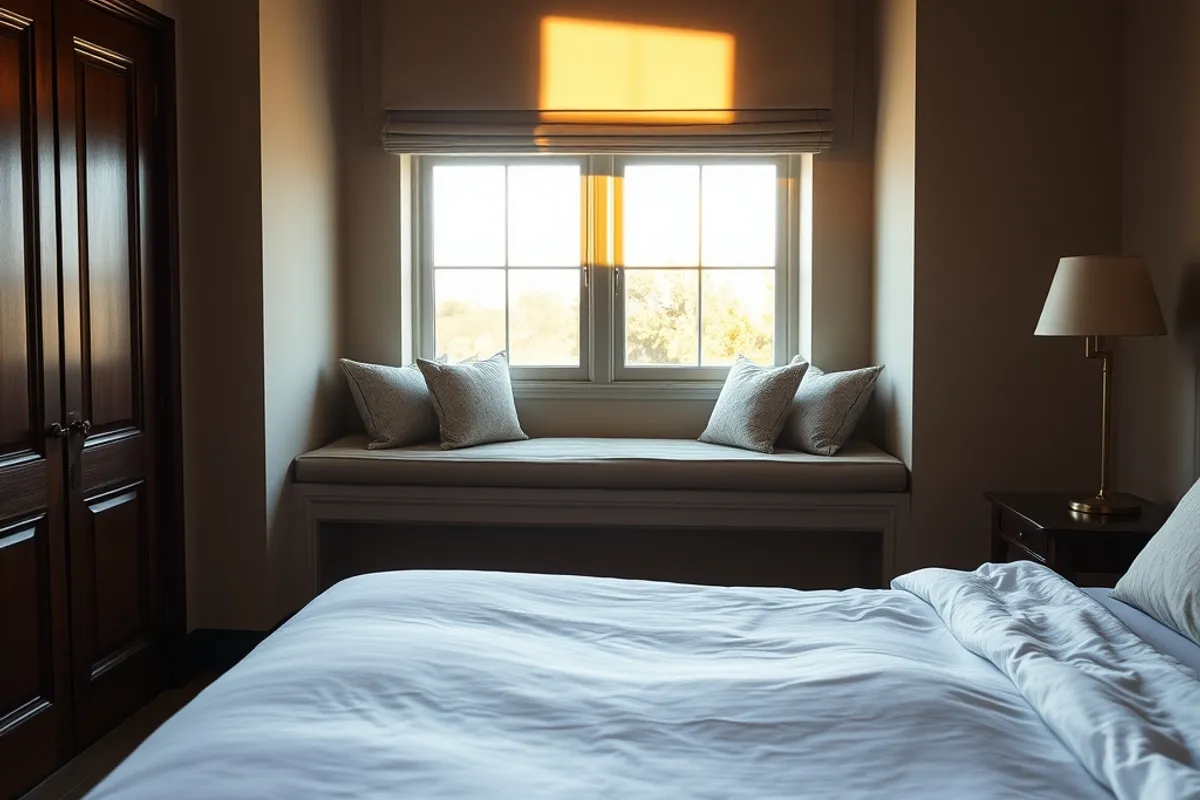
The case for small hotels has never been stronger than it is in 2026. After years of identical lobbies and check-in scripts, travellers are choosing properties with a point of view. Boutique hotels trade scale for character: a lobby that feels like someone's front room, a front desk that remembers your name, and a neighbourhood you get to know. The best reward a little research with stays that large groups cannot match.
Size is the quiet advantage. A forty-room property can close its restaurant for a private dinner, change your room without a fight, and tell you which bakery opens at six. Chain hotels answer with points and predictability, and those matter on a Tuesday stopover. For a trip where the city itself is the reason for going, a smaller base changes the texture of every day. You leave with stories, not receipts.
How We Picked This Year's Winners
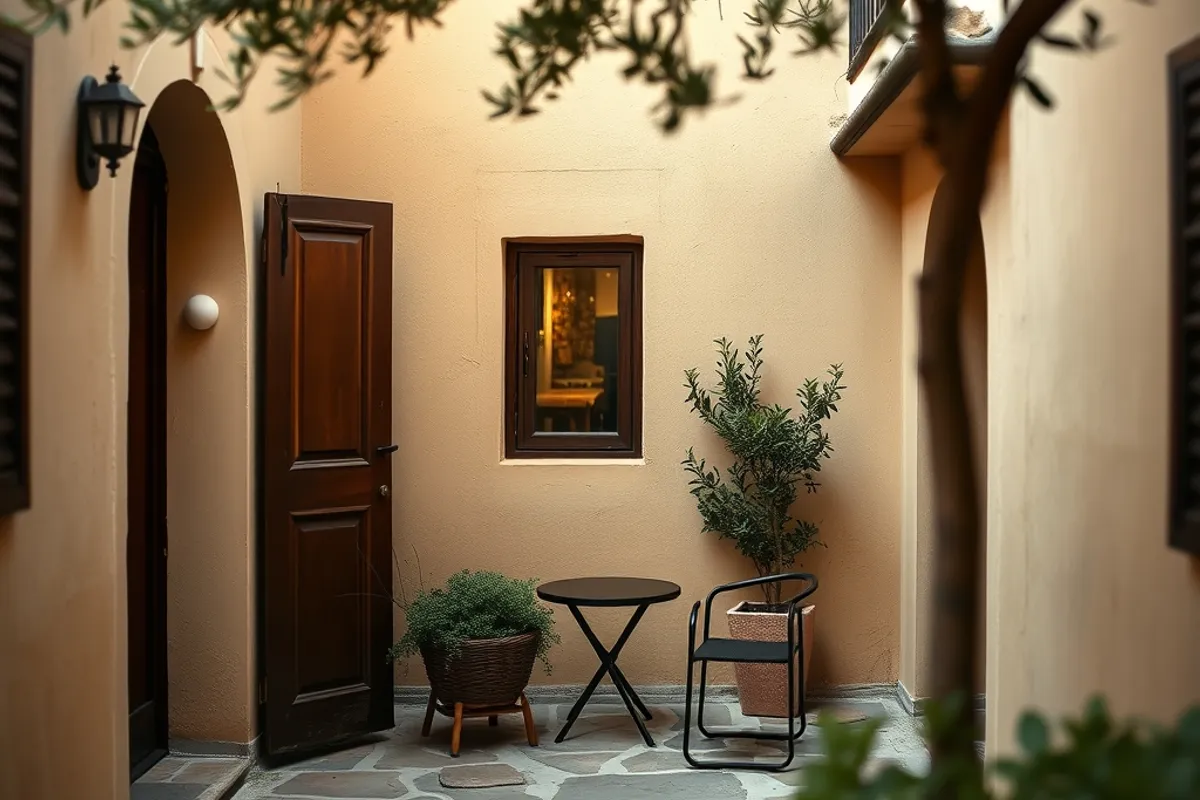
We stayed as ordinary guests, paid our own bills, and judged each property on the same few questions. Does the room feel considered? Is the staff genuinely helpful rather than merely polite? Can you walk out the door into somewhere worth walking? Our editors at Ebony Demattia weighed value against the local price band, because a lovely room at the wrong price is still a poor buy. Consistency across repeat visits mattered most.
No property made this list on looks alone. We checked fire safety, read recent guest complaints, and confirmed that the praised restaurant still serves breakfast in 2026. For readers heading to the United States, USA.gov travel guidance is worth a look before you fly, especially on entry rules. A beautiful hotel cannot fix a missed connection, so we treat the boring logistics as part of the review. Good judgement starts before check-in.
New York's Best Independent Addresses
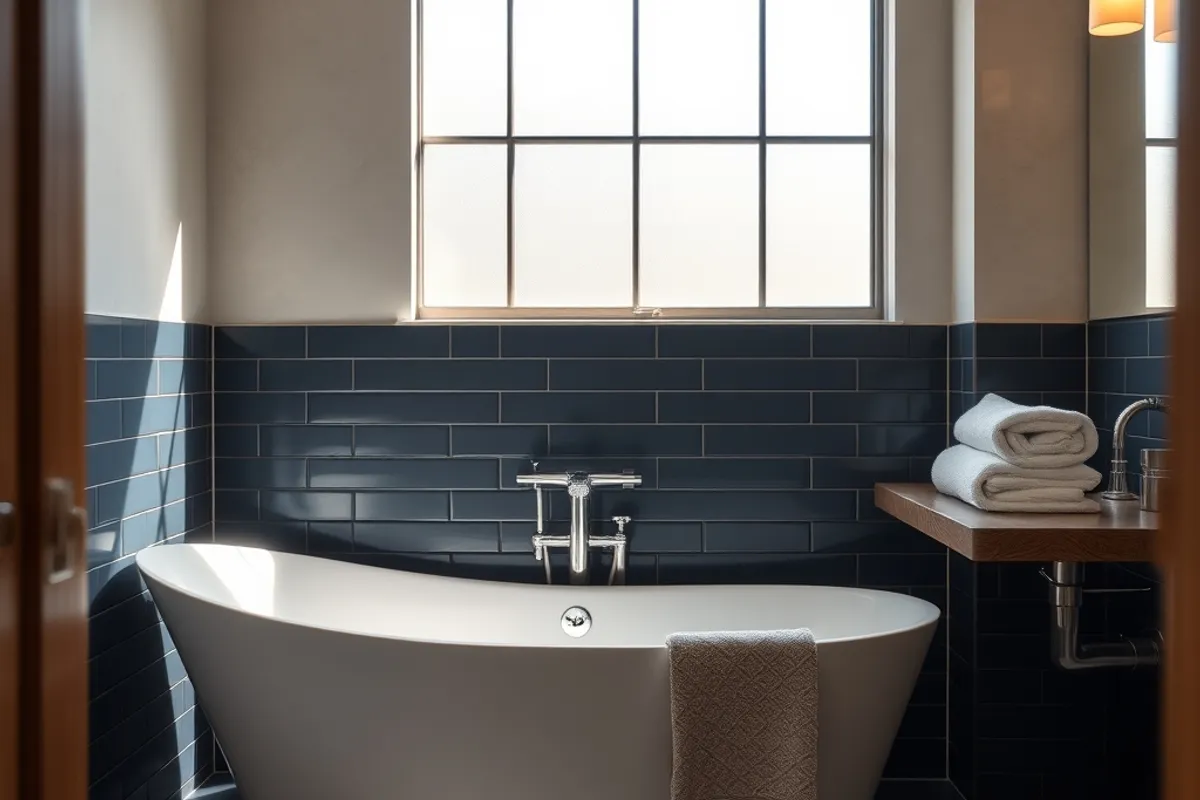
New York rewards the boutique approach because its best blocks are small. The Ludlow Hotel on the Lower East Side still feels like a private club with good lighting, rooms around $340, and a lobby bar that fills after eight. The Mercer in SoHo keeps its loft proportions and dark wood, though rates now start near $480. Both sit steps from cafes and galleries, so you spend less time in taxis and more on foot.
Downtown is not the only answer. The Bowery Hotel pairs a fireplace lobby with rooms that feel warm rather than fussy, and it holds up on repeat visits. Uptown, the low-key Mark has a library bar worth an evening on its own. For value, look at the Greenwich Village townhouse conversions, where a $290 nightly rate buys a real bed and a street you will want to wander. Book six to ten weeks out for autumn.
A great boutique hotel is not about thread count or marble. It is the feeling that someone designed this place for people, not for a spreadsheet.
Europe's Quiet Luxury Hideaways
Lisbon has become the clearest example of how boutique hotels can outshine grand ones. In Principe Real, small townhouses converted into nine-room stays offer tiled floors, courtyard breakfasts and staff who point you toward the best pastel de nata on the block. Expect $220 to $320 a night. The trick is to avoid the tourist core and choose a residential street where the trams still rattle past at seven in the morning.
Copenhagen takes a different route, with boutique hotels built around light and plain materials. A former warehouse near the harbour might give you oak floors, a deep tub and a breakfast of good bread and cheese, around $260 nightly. The staff dressed casually and skipped the script, which felt honest. Mexico City deserves a mention too: rooms in Roma Norte with rooftop terraces run $180 to $260 and put great tacos within a short walk.
What a Boutique Room Really Feels Like
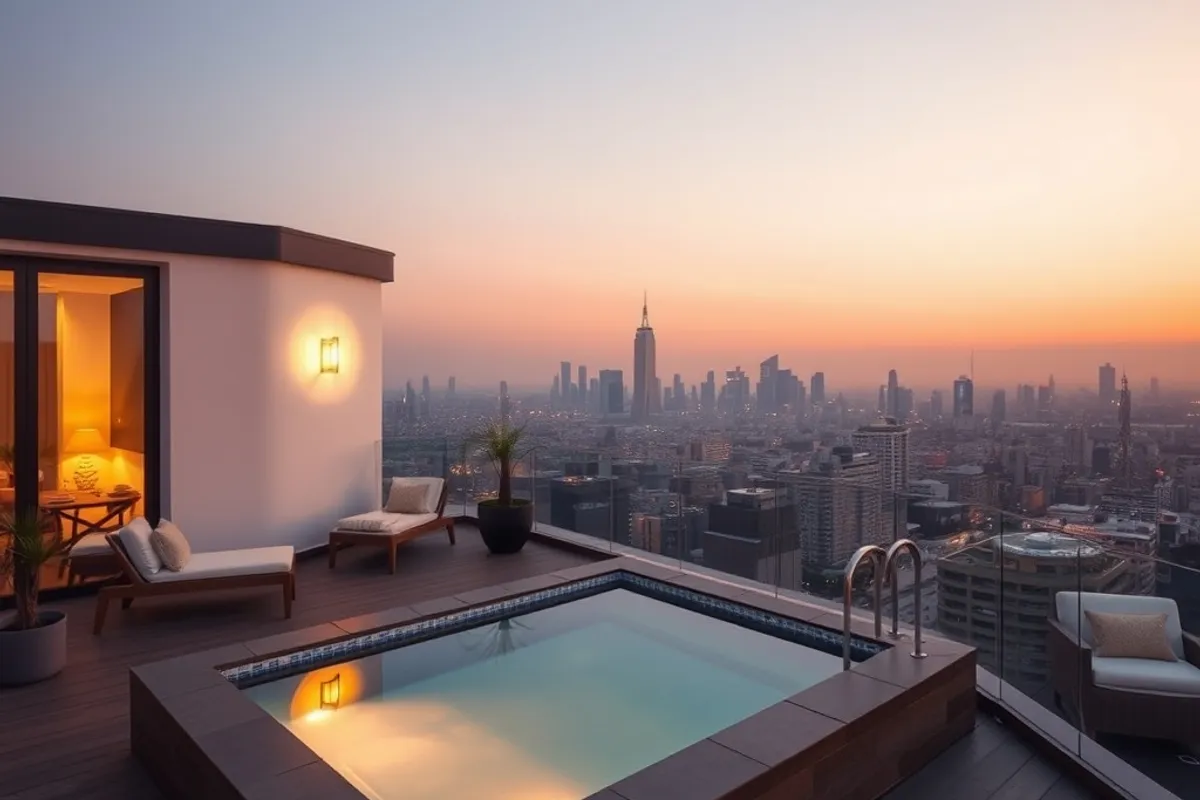
The room is where a boutique hotel earns its rate, and the details are specific. Expect a proper desk, a reading lamp that works, and a shower with real pressure. Walls can be thin in converted buildings, so light sleepers should ask for a courtyard-facing room when booking. Good properties give a notebook, decent coffee and a chair you could sit in for an hour. Cheap laminate and wobbly hangers tell you the budget went elsewhere.
Sound matters more than square footage in my experience. I have stayed in a tiny $250 room in Bologna that felt calm because the windows faced a quiet square, and a $500 suite in Miami that felt restless above a road. Ask which rooms face the street before you pay more for space. A good night is worth more than a bigger bathroom, and the right room can make a modest property feel like a find.
Booking Tactics That Actually Save Money
Boutique hotel rates move more than people expect. The same room can cost $320 in October and $210 in February, so flexibility is your best tool. Compare the hotel's own site with the big booking platforms, then call the front desk and ask what they can do direct. Small properties often hold a better rate off-platform and may add breakfast. Avoid Friday and Saturday nights in cities; Sunday through Tuesday typically runs fifteen percent cheaper.
Join the free loyalty schemes for independent groups, since member rates are real and take a minute to set up. Read the cancellation terms carefully; a slightly higher flexible rate can save you money if plans shift. Book the airport transfer the night before and ask the hotel about local passes. These small moves add up. The point of choosing boutique hotels is not to overspend, but to get a stay with character at a price you can defend.
Every rate and route in this guide was checked in 2026. We correct changes in public.
Corrections and tips? Contact us.