Carnival in Rio before the parades
Rio de Janeiro marks Carnival from 13 to 18 February in 2026, with the main samba school parades on the Sunday and Monday nights. The streets fill days earlier, when neighbourhood bands rehearse in squares. A caipirinha at a street bar costs around 20 reais. Arrive two hours before the parade to claim a spot near the avenue, and bring a small cushion for the curb.
The samba schools spend months building floats and costumes, and the effort shows in the details. Drums roll for hours while dancers in feathers move past the judges. Crowd tips matter here. Take the metro rather than a taxi, since roads close early. Keep your phone in a front pocket, and agree on a meeting point with anyone you are travelling with.
Holi colour and its UNESCO backdrop
Holi falls on 4 March in 2026, though celebrations begin the evening before with small bonfires. In cities such as Jaipur and Varanasi, crowds throw coloured powder from morning until late afternoon. The air turns pink and gold, and every face becomes a canvas. Buy a white shirt you do not care about and keep your camera in a sealed bag.
The festival marks the arrival of spring and the triumph of good over evil in Hindu tradition. Local tourist boards work to protect the customs that make it distinctive, a goal echoed by the UNESCO culture programme. Watch from a rooftop if you dislike being covered in powder. That vantage point costs a few hundred rupees but gives you shade, space, and a clear view of the street.
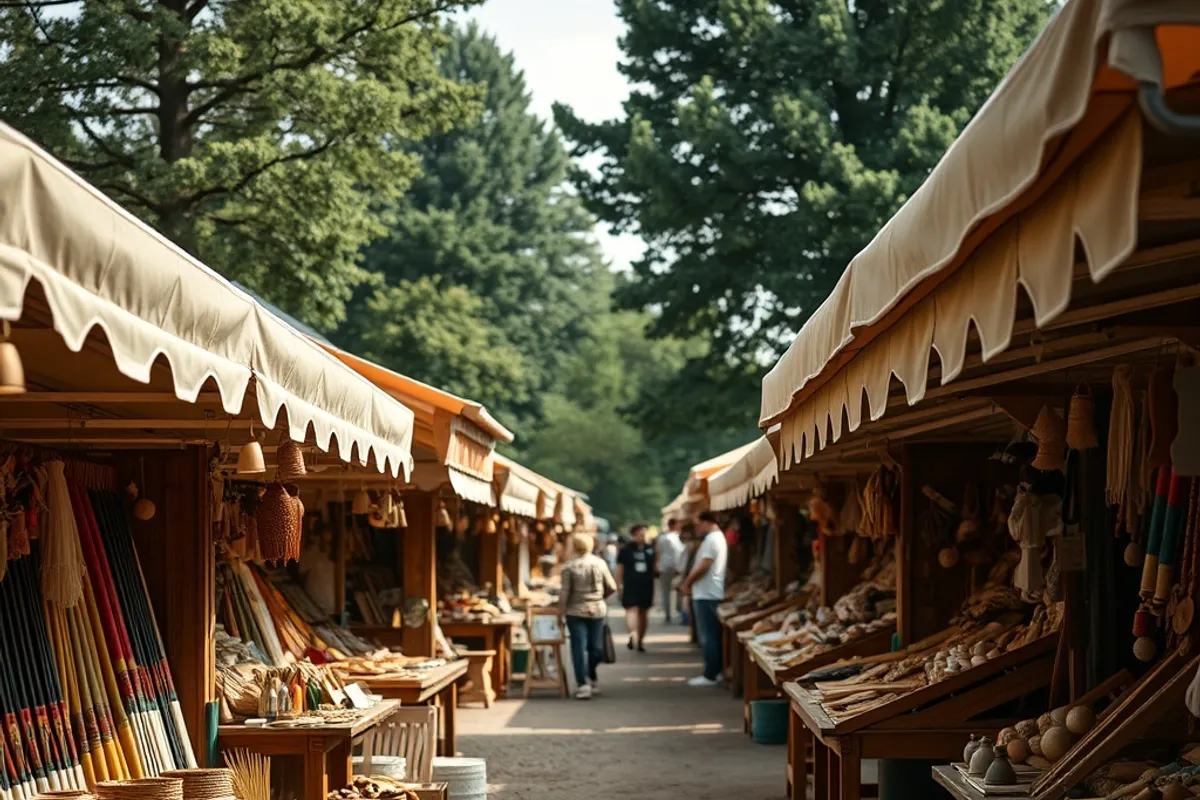
Edinburgh Fringe without the queue panic
The Edinburgh Festival Fringe runs from 1 to 24 August in 2026, with nearly fifty thousand performances across the city. Venues range from church halls to the mushy peas tent at the Assembly Rooms. Tickets cost around 10 pounds for many shows, and a daily pass helps if you plan four or more. Book the big names early, but leave afternoons open.
The Royal Mile is packed from midday, with performers handing out leaflets and juggling for attention. Smart visitors head to the quieter venues in George Street or the university area. Queues form an hour before popular shows, so arrive with a snack and a book. Festival club nights run late, and the city stays loud well past midnight. Pace yourself across the three weeks and save a little money for the final weekend.
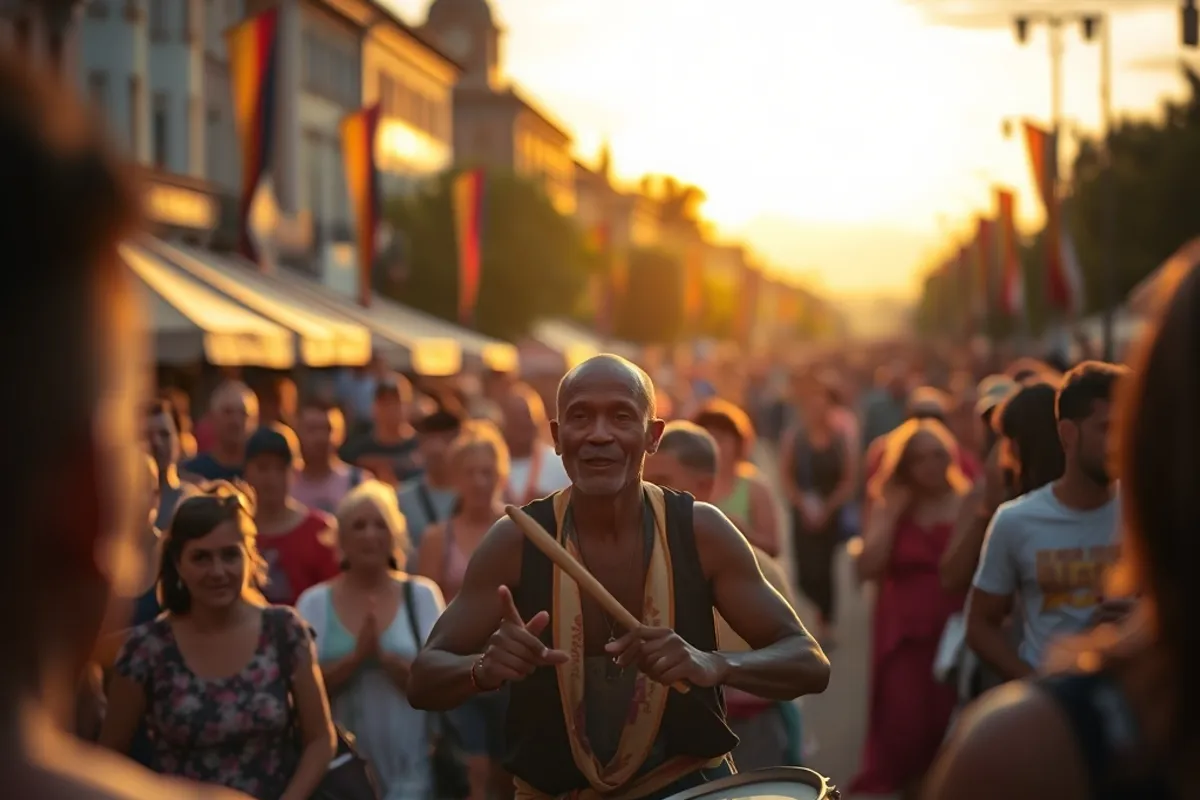
A festival is only as good as your position in the crowd. Arrive early, stand near a side street, and let the procession come to you rather than chasing it.
Oktoberfest in Munich beyond the tents
Oktoberfest opens on 19 September and closes on 4 October in 2026 at the Theresienwiese grounds. Despite the name, most of the beer is drunk in September. A litre mug, called a Mass, costs roughly 14 euros. The big tents seat thousands, and the air is thick with sausage, hops, and brass band music. Go on a weekday afternoon for a calmer first visit.
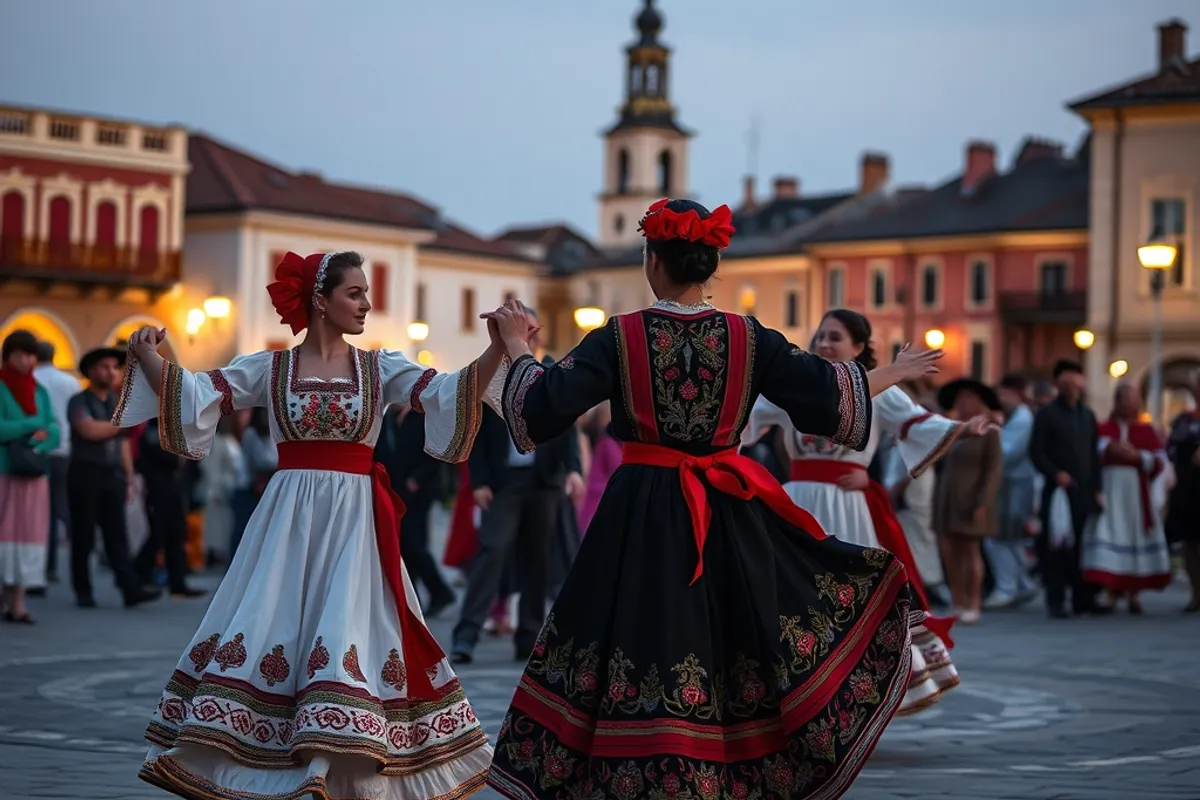
Each brewery runs its own tent with decorated tables and a distinct crowd. The Augustiner tent is often calmer than the others, while the Hofbrauhaus tent draws the largest groups. Reservations help, though many tables fill by early afternoon. Stand outside between rounds to watch the horses and the costumes. Locals wear lederhosen and dirndls, and the detail is worth a closer look.
Dia de los Muertos in Mexico City
Dia de los Muertos is observed on 1 and 2 November, with altars appearing in homes and public squares days before. In Mexico City, the parade and the ofrendas in the Historic Centre draw huge crowds. Marigolds, candles, and sugar skulls cover every offering table. Entrance to many installations is free, and the best altars often sit in neighbourhood markets rather than on the main avenue.
Families build the altars to welcome back the dead, with photographs, bread, and the favourite foods of those they miss. The mood is warm rather than grim, with faces painted as skulls and music late into the night. For space, visit in the morning and return after dark. Museums such as the Museo Nacional de Arte usually extend their hours, and tickets sell out fast.
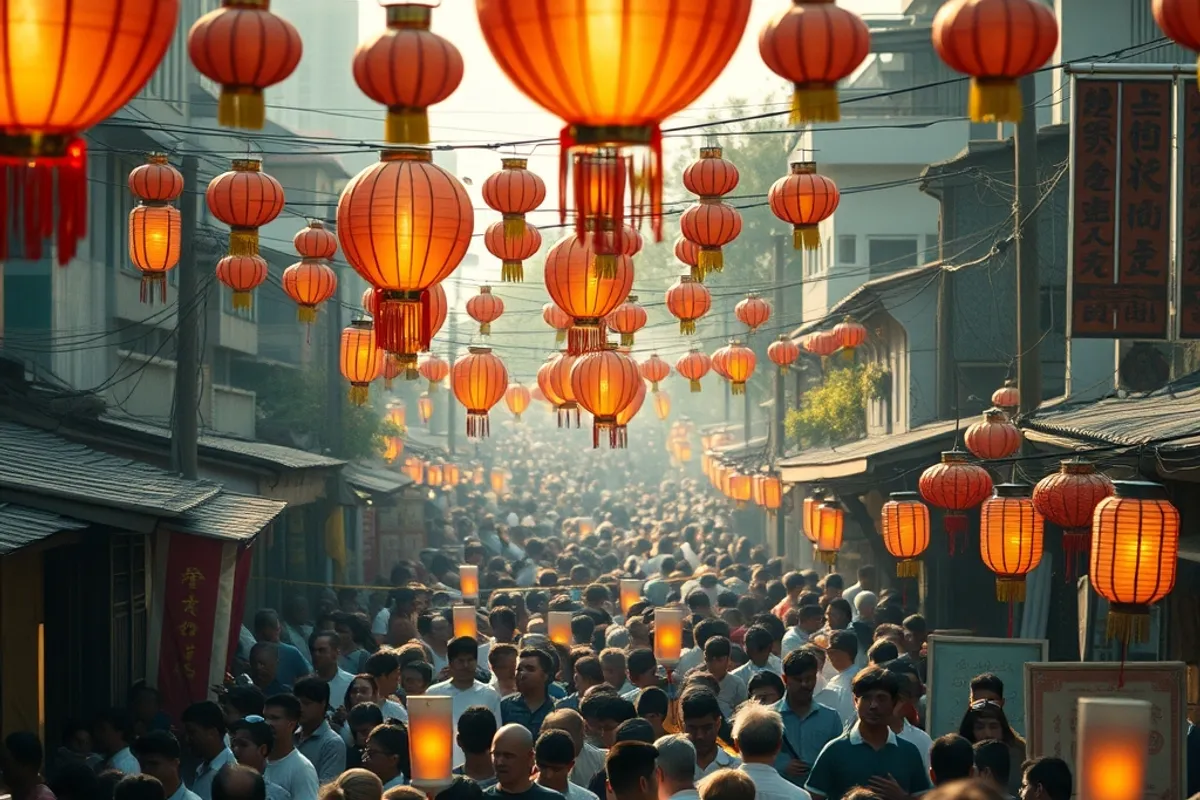
Lantern Festival in Taiwan after dark
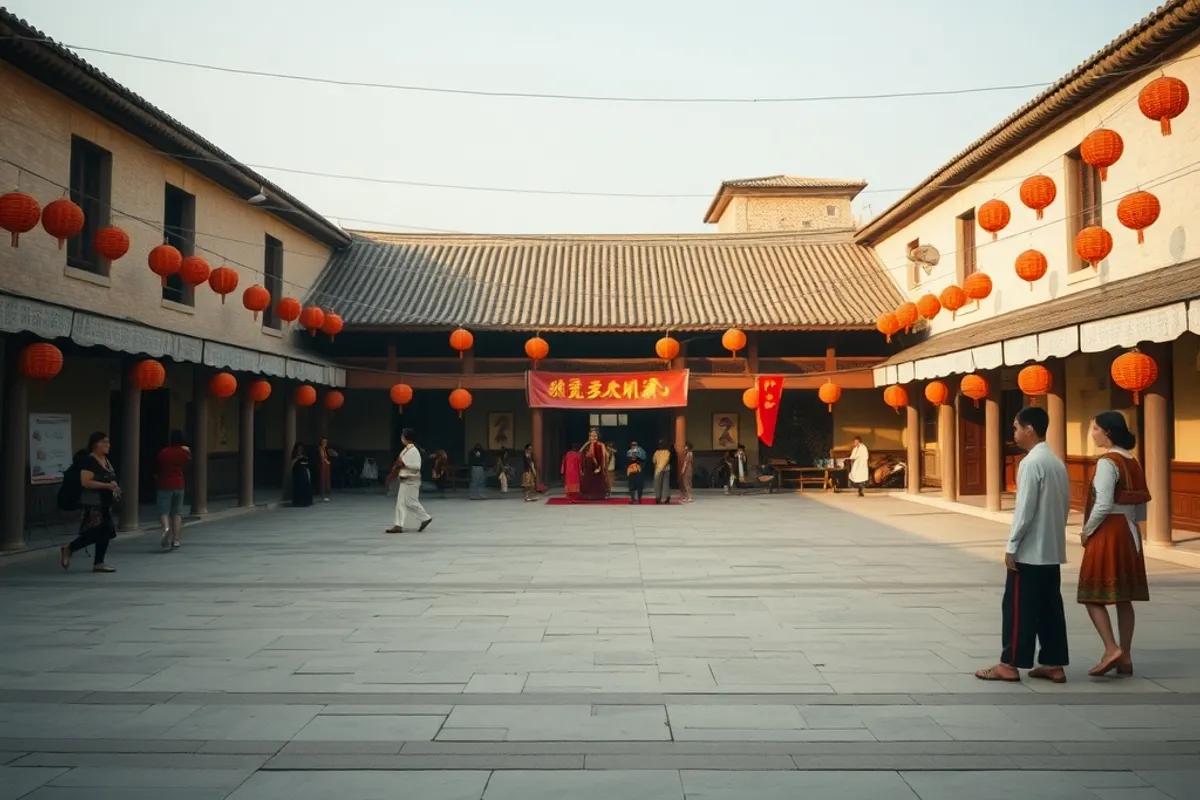
The Lantern Festival falls on 3 March in 2026, two weeks after the lunar new year. Taiwan marks it with lantern displays, temple fairs, and huge illuminated installations in cities such as Taipei and Tainan. The main site opens in the late afternoon and stays lit until ten at night. Entry is usually free, and a train ride to the venue is cheaper than any taxi.
Visitors write wishes on paper lanterns and release them into the sky, a sight that draws cameras and quiet crowds alike. The tradition is loud, bright, and briefly beautiful. Go on a weekday if you can, and walk the outer edges of the site first. Vendors sell pineapple cakes and hot soup for a few Taiwan dollars. The best views come from a hill path above the fields. Bring a flashlight for the walk down.
Every rate and route in this guide was checked in 2026. We correct changes in public.
Corrections and tips? Contact us.