How we judged the lodges
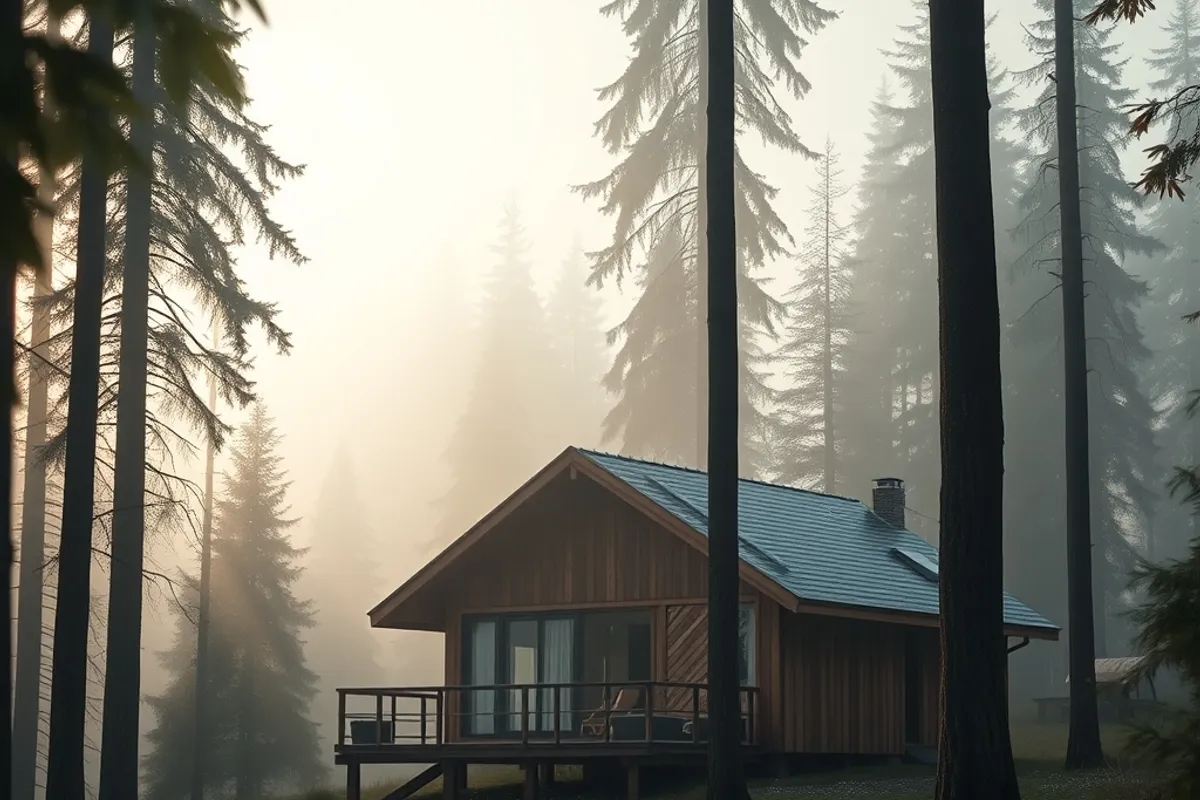
Ebony Demattia editors compared eco lodges across Costa Rica, Kenya, Norway, and Indonesia using public data, operator disclosures, and recent guest reports. We looked for properties that publish utility numbers, explain how they source food, and show clear staff policies. A beautiful setting matters, but it does not offset diesel generators, heavy laundry cycles, or weak labor standards. Our goal was to separate careful operators from clever marketing.
We focused on stays that most travelers can book in 2026 without special access. Nightly rates in this guide range from about $180 to $650 for two adults before taxes and transfers. Price alone did not decide placement. A lower cost lodge scored well when it proved strong energy and water habits, while a high priced retreat lost ground if it hid basic performance details.
Costa Rica and Kenya stays
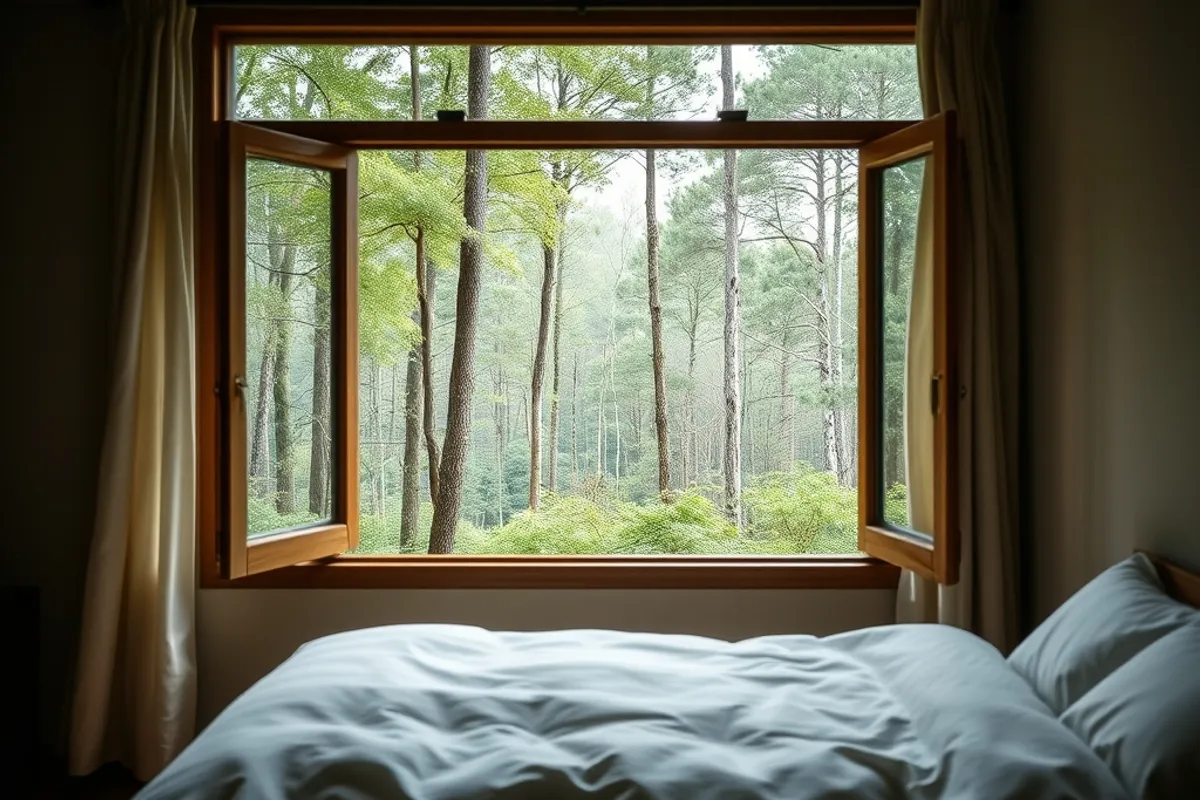
Lapa Rios on Costa Rica's Osa Peninsula runs near $420 per night and draws much of its power from a large solar array backed by efficient batteries. The property treats wastewater on site and uses low flow fixtures to reduce strain during dry months. In Kenya, UNESCO biosphere areas near Amboseli host camps like Tortilis, where rates start around $380 and solar systems handle most daily demand.
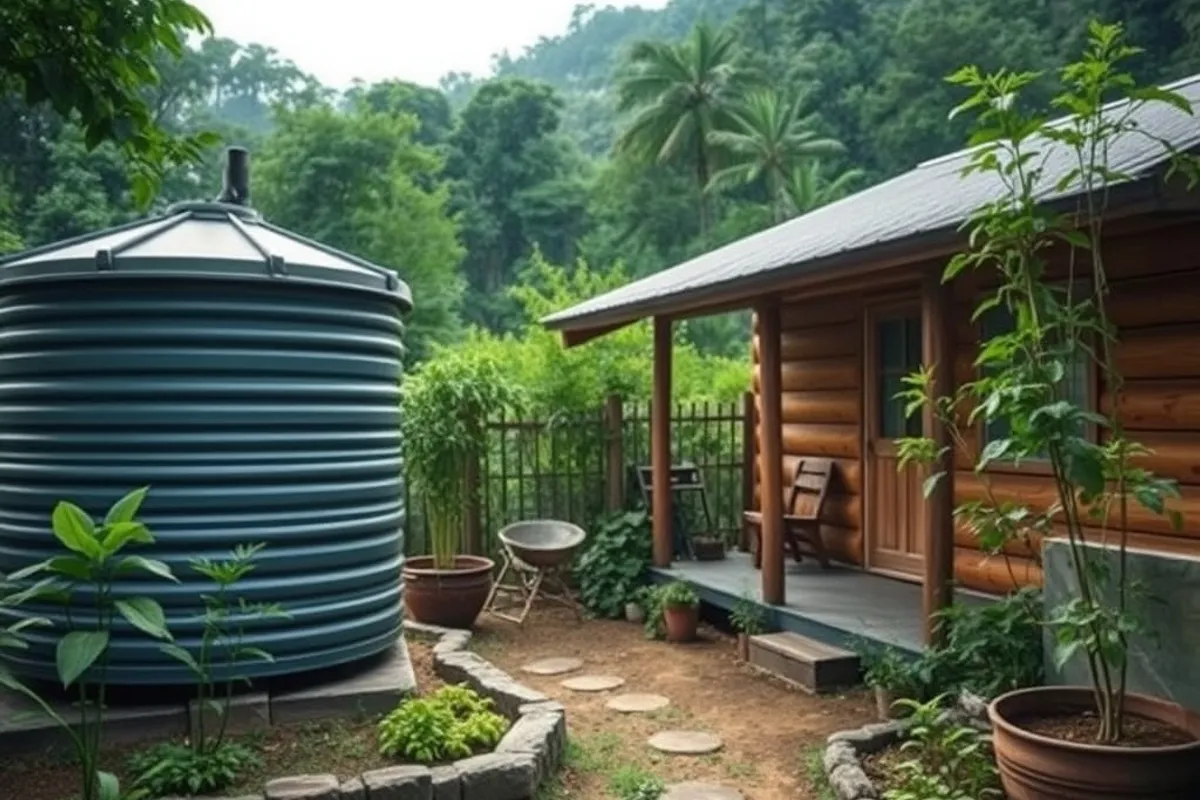
Water practice is just as important in these regions. Several lodges collect rainwater for laundry, filter drinking water to avoid plastic bottles, and reuse treated greywater for gardens. Guests should ask how often tanks run low and whether backup trucks supply water in peak season. Honest answers reveal whether conservation is built into operations or limited to towel reuse signs in the bathroom.
Nordic and Asian lodge options
In Norway's Lofoten islands, Hattvika Lodge offers cabins from about $260 per night and uses heat pumps that perform well in cold coastal weather. Large windows reduce daytime lighting needs, and local seafood sourcing cuts transport miles. The best Nordic properties also publish waste sorting results and explain how they protect fragile shorelines. Cold climates demand serious heating plans, so efficient equipment matters more than decorative claims.
Bambu Indah in Bali lists rooms from roughly $180 per night and combines natural ventilation with limited air conditioning to lower electricity use. The lodge filters spring water, composts food scraps, and maintains pools with reduced chemical loads. Travelers should still confirm airport transfer distances, since long car rides can erase gains from a careful property. Location and access are part of the real footprint.
A lodge earns its green label when it publishes meter readings, pays staff fairly, and cuts waste every month, not when it prints a leaf on a brochure.
Energy practices that matter most
Reliable eco lodges show how they produce and manage power, not just that they prefer renewables. Look for published solar capacity, battery storage details, and generator run hours. A strong operator can state the share of annual electricity met by clean sources, often between 70 and 100 percent in sunny regions. Efficient kitchen gear, LED lighting, and smart thermostats usually deliver larger savings than small guest facing gadgets.
Heating and cooling deserve close attention because they drive the biggest spikes in use. Heat pumps, ceiling fans, shaded patios, and good insulation can keep rooms comfortable with less energy. Ask whether the lodge tracks consumption per guest night and shares trends year over year. When managers know their numbers, they can fix waste quickly. When they avoid the topic, assume performance is uneven.
Water systems and local impact
Water stress varies by region, so the best lodges match systems to local limits. In dry areas, rain capture tanks, drip irrigation, and native landscaping reduce pressure on wells and rivers. In wetter places, the focus shifts to treatment and runoff control. Properties that monitor liters used per guest night can prove progress. A 30 to 40 percent reduction is realistic when laundry, kitchens, and gardens follow a clear plan.
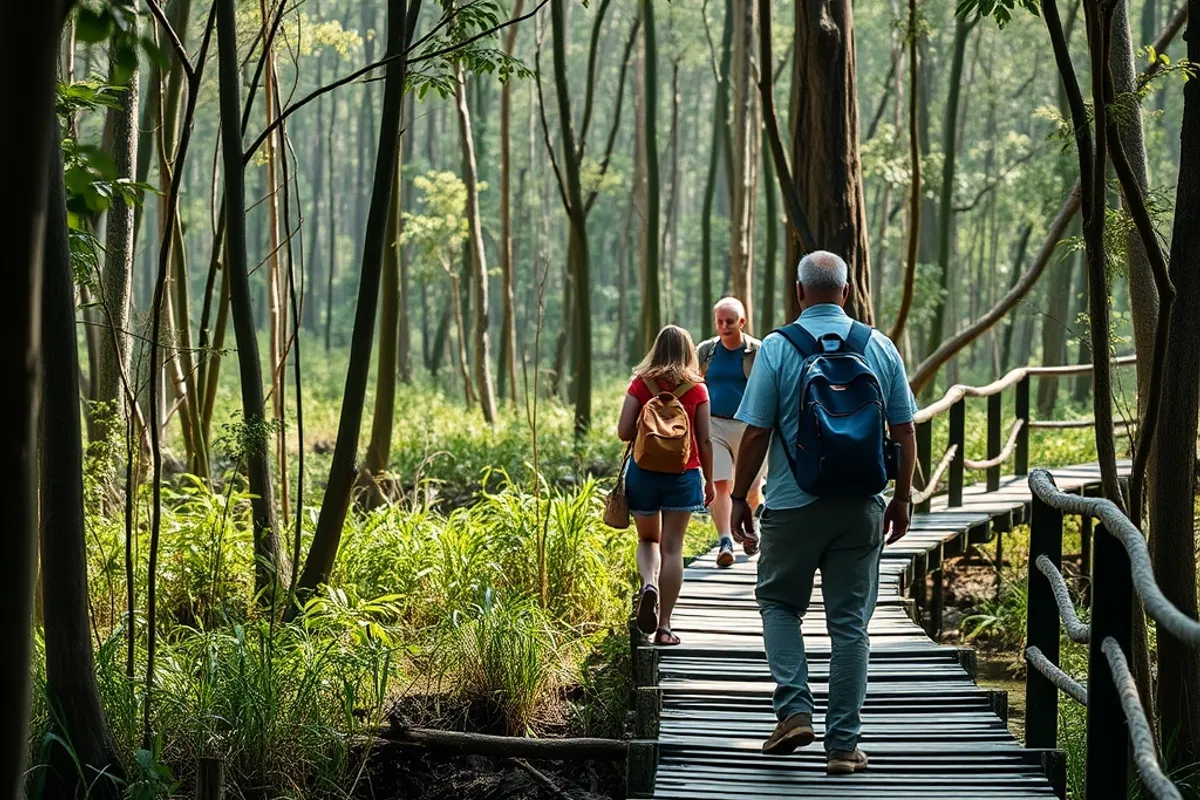
Local impact goes beyond pipes and pumps. Good operators hire nearby staff, buy food from regional producers, and limit visitor numbers on sensitive trails. These choices support communities that protect the landscapes travelers come to see. Ask if the lodge publishes community spending or training programs. A property that invests locally is more likely to maintain its environmental systems over the long term.
What certifications really prove
Certification can help, but only when travelers understand the scope. GSTC recognition means a standard covers governance, social impact, cultural heritage, and environmental management through an audited process. It does not guarantee perfection at every moment. Labels based only on self reporting carry less weight. Before booking, read the criteria summary and check whether an independent body performed the latest assessment.
The most useful signal is transparency. A credible lodge will share audit dates, utility data, and clear goals for the next year. If a property cannot explain its certificate or show recent results, treat the logo as decoration. Combine certification with direct questions about energy, water, wages, and waste. That simple habit helps travelers reward operators who deliver measurable progress in 2026.
Every rate and route in this guide was checked in 2026. We correct changes in public.
Corrections and tips? Contact us.