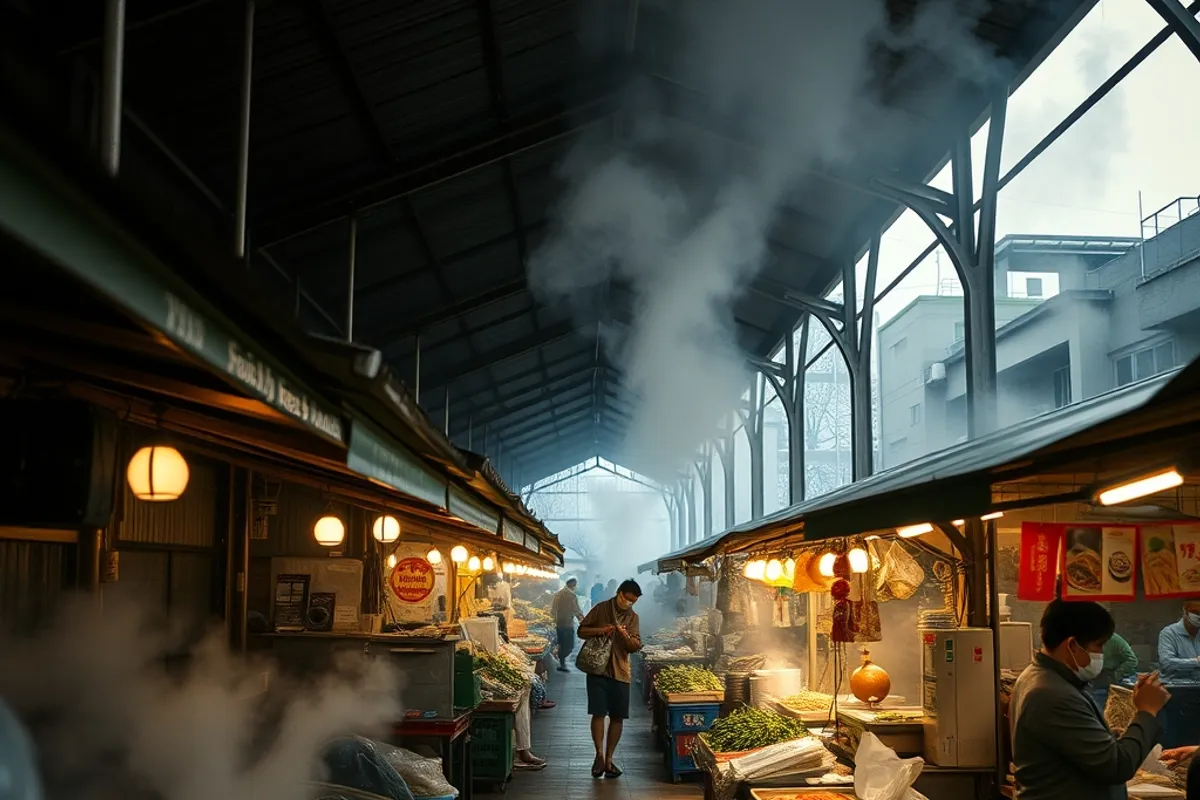
Why Asia still leads on street food
Something about the smell of dinner cooking on a pavement tells you more about a city than any museum. Across Asia, food markets remain the places where ordinary people eat well, cheaply, and loudly. In 2026 the region's best markets reward visitors who arrive hungry and curious. Skip the food halls inside shopping malls. The real cooking happens under canvas, over charcoal, at folded metal tables.
These are working markets, not shows put on for tourists. Vendors wake before dawn to fetch supplies, and many stalls close by mid afternoon. Prices stay low because rent is low and families run the booths themselves. A plate of noodles often costs less than a metro ticket. That value, plus the theatre of watching a cook work a wok, keeps these places alive. Bring cash, small notes, and an appetite.
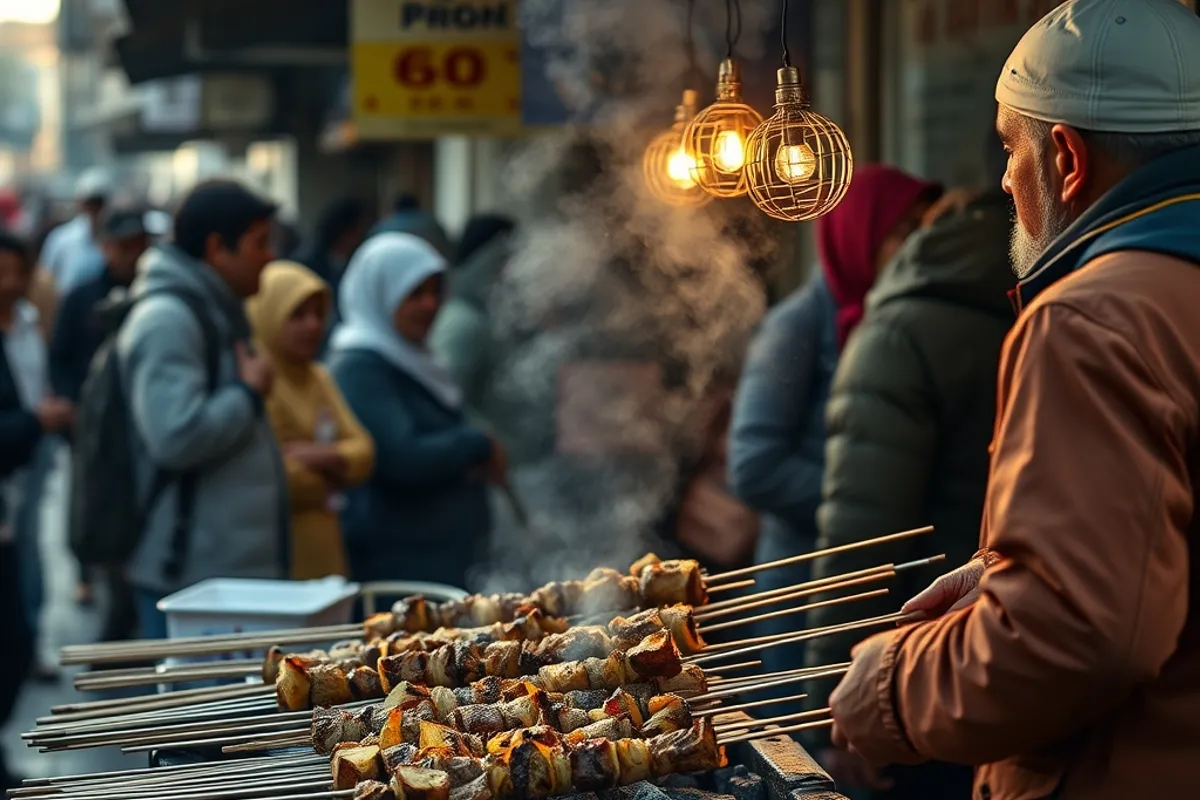
Taipei Shilin night market after dark
Shilin night market in Taipei opens around five in the afternoon and runs until close to midnight. The smell of fried chicken cutlets hits you at the entrance on Jihe Road. Sellers hand out samples of pepper buns with thin pork and scallions inside. A serving of oyster omelette costs roughly 100 Taiwan dollars, about three US dollars. Queues move fast, so pick a line and commit.
Under the covered food court, families sit at shared steel tables over bowls of beef noodle soup. The broth is dark, salty, and scented with star anise. Stalls near the temple sell bubble tea for around 60 Taiwan dollars. If your stomach is cautious, read the WHO food safety advice before you go, then trust stalls with high turnover. Freshly cooked food steaming hot is usually a safe bet.
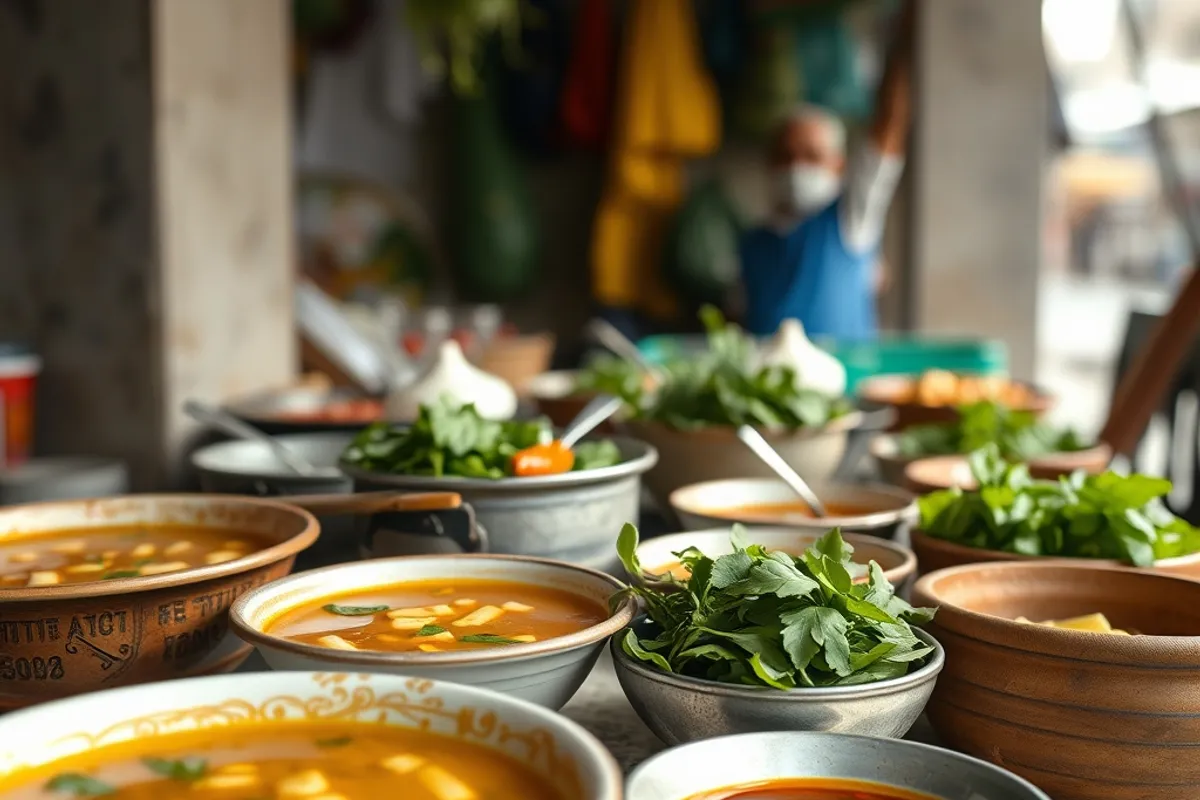
Bangkok Chatuchak weekend market survival guide
Chatuchak weekend market in Bangkok opens Saturday and Sunday from nine in the morning until six. It is huge, so arrive early and pick one corner. The food stalls cluster near the central lanes and around the pond. Grilled pork skewers cost about 10 baht each, and a bowl of boat noodles around 50 baht. Eat as you walk rather than saving room for one big meal.
Look for vendors flipping thin omelettes over charcoal, a snack called khai ping that takes two minutes. Coconut ice cream arrives in a hollowed nut with crushed peanuts on top. The heat builds by noon, so carry water and seek the shaded alleys. Card payment is rare at the smaller stalls. Keep a pocket of small notes and you will eat far better than any restaurant queue allows.
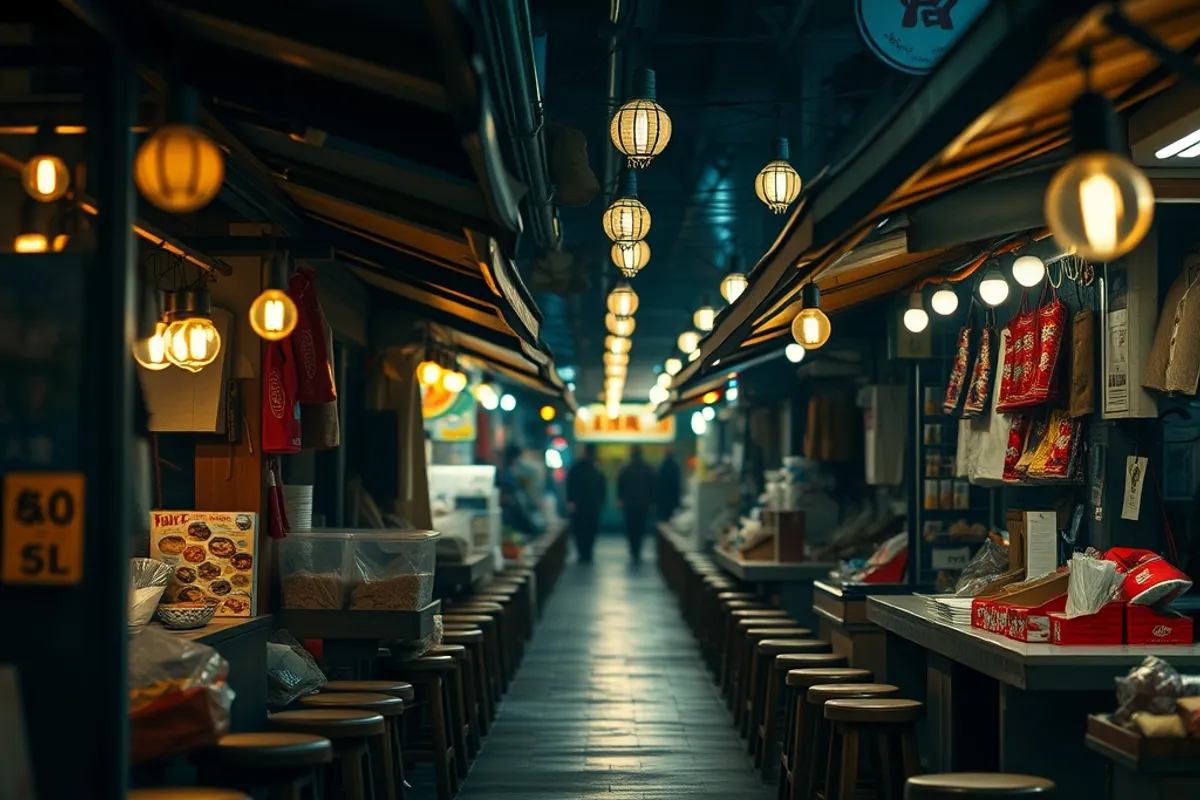
The markets that matter are the ones where the cook looks bored, the queue is long, and the price fits a pocketful of notes. Atmosphere comes second to a plate made well.
Singapore hawker centres worth the queue
Singapore hawker centres are the cleanest and most regulated food markets in this guide. Lau Pa Sat opens all day, while Maxwell Food Centre is busiest from eleven in the morning. A plate of chicken rice at Maxwell costs about six Singapore dollars. The chilli sauce is sharp, the rice is oily in the best way, and the queue moves steadily. Arrive off peak to avoid the rush.
At Tekka Centre in Little India, vendors serve biryani and roti prata from dawn. A prata with dal costs around four dollars, and the crisp edges arrive still crackling. Tables are shared, and regulars leave a tissue packet to claim a seat. Clear your own plate when you finish. That small rule keeps these places working for everyone, and it costs you ten seconds.
Osaka Kuromon Ichiba for seafood
Kuromon Ichiba market in Osaka runs from nine in the morning until six in the evening, most days. It began as a fish market and now feeds curious eaters with grilled scallops and tuna. A skewer of grilled scallop with butter costs about 500 yen. The smell of smoke and brine hangs in the narrow covered arcade. Go hungry and share small plates rather than ordering one large dish.
Street stalls near the entrance sell takoyaki, small octopus balls covered in bonito flakes that move in the heat. Six pieces cost around 400 yen. Vendors also slice fresh fruit for a few hundred yen, a useful break from all the salt. The arcade gets crowded after three. Morning visits give you space to watch the chefs and ask about the day's catch.
Hanoi Old Quarter street stalls
Hanoi's Old Quarter rewards slow walking and a willingness to sit on a plastic stool. Stalls around Hang Buom Street serve pho from early morning, with bowls at around 50,000 dong. The broth is clear and fragrant with star anise and burnt onion. Later in the day, vendors roll fresh rice noodles for bun cha, grilled pork over charcoal. Follow the smoke to find the busy stalls.
Egg coffee appears in tiny cafes near the lake, a thick sweet foam over strong dark coffee, roughly 30,000 dong. It is rich enough to replace dessert. Plates arrive fast, and the whole meal can cost less than a cinema ticket back home. Stand aside when a motorbike passes, then order another bowl. That rhythm is the point of eating here, not a nuisance.
Every rate and route in this guide was checked in 2026. We correct changes in public.
Corrections and tips? Contact us.