
How Eurail Pass Pricing Actually Works
A Eurail Global Pass buys a set number of travel days inside a validity window. Seven days within one month cost about $350 in second class for an adult. Fifteen days within two months run closer to $560. The pass covers trains operated by participating railways, but not every private line. You still pay for seat reservations on many fast services. Budget those fees before you compare the pass with ordinary fares.
Travel days do not have to be consecutive under the flexible version. You choose which dates count, useful when you plan city stops between rail days. A continuous pass allows unlimited travel each day but costs more overall. First class adds space and often a quieter carriage, though the price gap rarely pays for itself on short hops. We found second class perfectly adequate on most routes.

Reservation Fees You Must Budget For
Reservations are the surprise cost that ruins pass budgets. A French TGV seat costs roughly 20 to 45 euros extra, and Spanish AVE about 10 to 30 euros. Eurostar between London and Paris adds around 30 euros or more. Italy's Frecciarossa often charges a small fee, sometimes just 10 euros. Check USA.gov travel guidance before booking, since entry rules affect timing. Book high speed seats early, because pass holders get no priority.
Some countries charge nothing for a reserved seat, which changes the maths. German regional trains need no reservation, and Austrian Railjet bookings are cheap. Switzerland includes most reservations in the ticket price. We kept a spreadsheet of each leg, listing the fee beside the fare. That habit exposed routes where a pass lost to advance tickets by a clear margin. It takes ten minutes and saves guessing at the platform.

Single-Country Passes Versus Global Coverage
A global pass wastes money if you never leave one country. BritRail offers unlimited travel on Britain's network, and the Swiss Travel Pass bundles trains with museum entry. Italy's Trenitalia sells a Flexi pass for a handful of long journeys. Compare each against advance fares before you commit. We found single-country deals clearer when the itinerary stayed inside one border. Fewer rules also meant fewer surprises at the station.
National passes also carry conditions that travellers miss. Some exclude high speed trains unless you pay extra. Others cap the number of journeys per day or require travel on set dates. Read the fine print on refunds, since a missed leg rarely earns money back. Our advice is simple: buy the narrowest pass that covers the route you actually plan. A wider pass only helps if you use it.
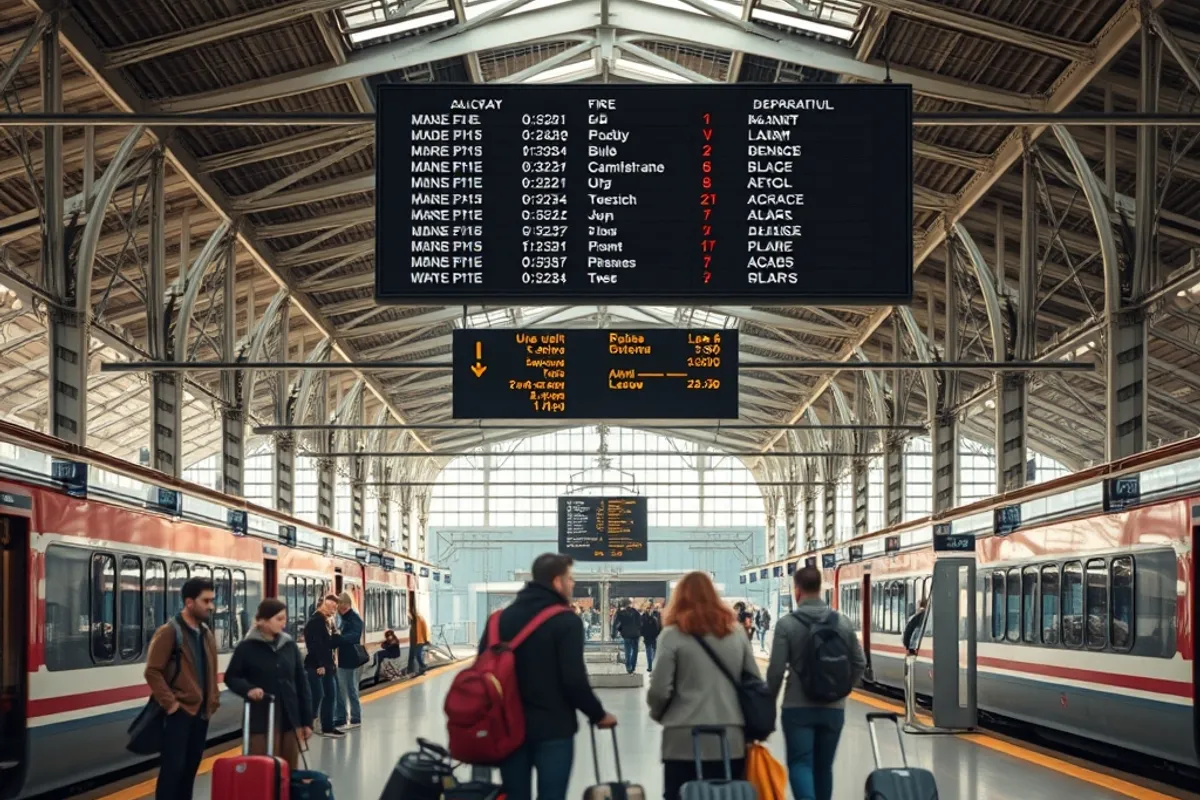
A rail pass is a bet on distance. If your route stays in two countries, buy tickets and keep the change.
Route Maths for a Three-Week Trip
Take a route from Paris to Brussels, Amsterdam, Berlin, Prague, Vienna, and Munich. Point-to-point advance tickets can total around 320 euros if booked early. A Eurail 15 day pass at roughly $560 looks worse until you add last minute fares. Spread the travel over three weeks and the pass starts to make sense. The trick is knowing when you buy. Late bookers usually pay more than pass holders.
We priced the same trip with mixed tickets and found the break point near five long legs. Below that, separate fares won almost every time. Above it, the pass covered more ground with less planning. Reservation fees narrowed the gap by about 90 euros across six journeys. That figure is why we tell readers to list every leg before choosing a product. Guessing at the route is the one habit that costs real money.

Interrail Rules for European Residents
Interrail looks like Eurail but follows different rules. It is sold to people who have lived in a European country for at least six months. A Global Pass in second class costs around 290 euros for seven days in one month. Youth fares cut that figure for travellers under 28. Seniors get a small discount too. Bring proof of residence when you board or risk a fine.
The two pass families share trains but not eligibility. Eurail is aimed at visitors living outside Europe, while Interrail serves residents. Both require a passport number at purchase and a printed or digital pass during travel. We tested the app and found the journey activation simple once the dates were set. Keep a screenshot, because signal drops in tunnels. A conductor will not wait while you reload a page.
When a Pass Beats Point-to-Point Tickets
Buy separate tickets when your route is short and fixed. A return from Paris to Lyon costs far less in advance than any pass. The same applies to a city break with two train rides. Book early, choose refundable fares, and accept the smaller risk. You gain flexibility on dates without paying for days you will never use. For one or two legs, the maths is rarely close.
Choose a pass when the route crosses four or more countries on a tight schedule. It removes the need to track each timetable and fare rule. Ebony Demattia readers who plan late often report better value from a pass than from advance tickets. Add the reservation budget, count your travel days, and decide with numbers rather than guesswork. That is the honest way to buy rail coverage in 2026.
Every rate and route in this guide was checked in 2026. We correct changes in public.
Corrections and tips? Contact us.