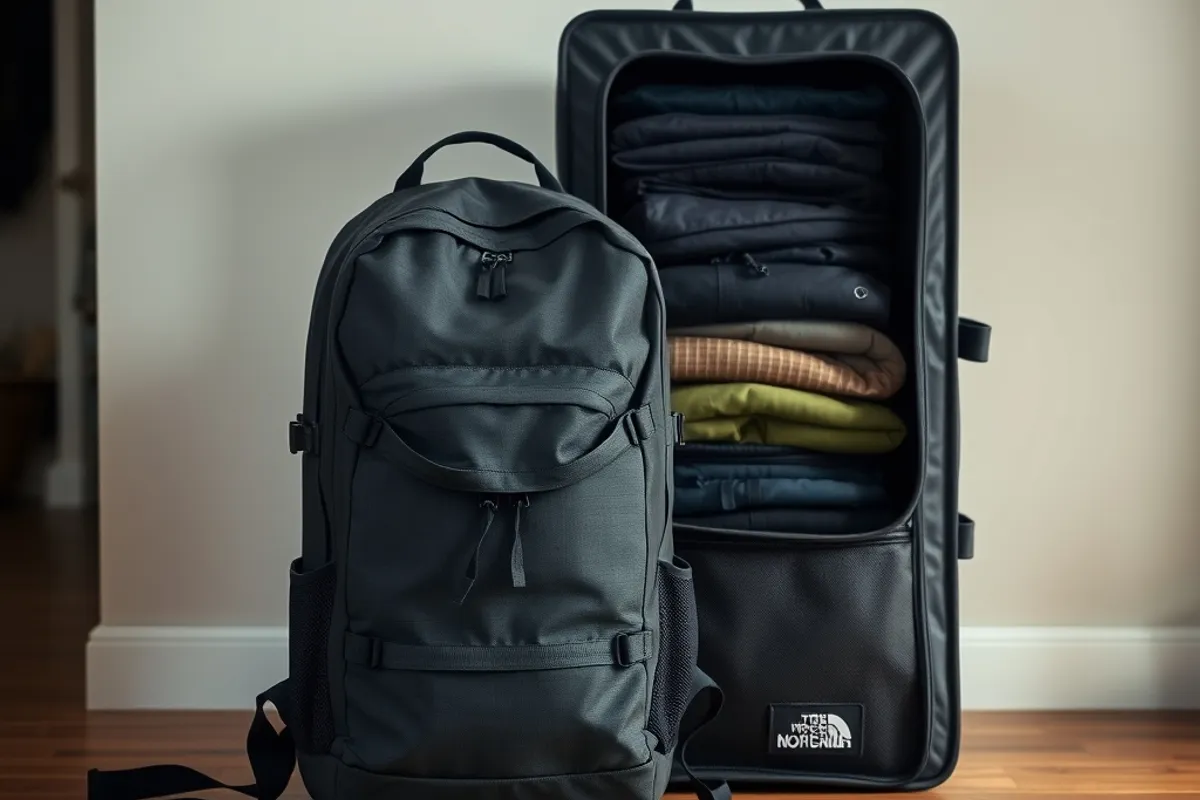
Measuring Your Carry-On Before You Pack
Start with a tape measure, not a product page. Most American airlines set the cabin limit near 22 by 14 by 9 inches, which is 56 by 35 by 23 centimetres. Budget carriers in Europe often allow only 55 by 40 by 20 centimetres and weigh the bag at the gate. A pack that clears a domestic counter can still fail a Ryanair check, so measure the bag fully loaded, not empty.
Weight matters as much as size. A 10 kilogram cabin allowance is common on low-cost flights, and a 40 litre bag can reach that limit before you board. Weigh yours at home with a luggage scale, then shift heavy items into a personal item. A jacket worn on the plane counts as clothing, not baggage, and saves real kilograms. Do this before you reach the queue, because gate scales rarely offer second chances.
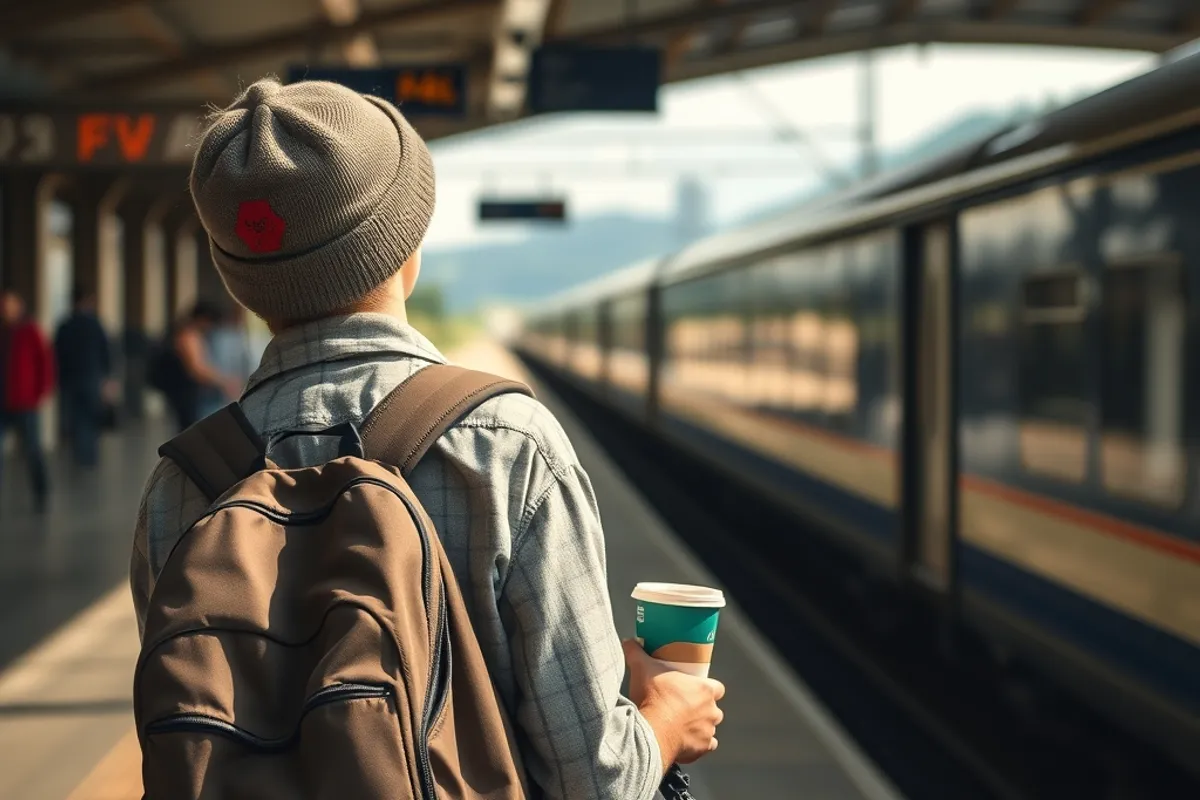
Why Litre Capacity Matters More Than Claims
Capacity numbers confuse buyers because makers measure them differently. A bag listed at 40 litres may hold 36 once padding and pockets are counted. Treat 35 to 45 litres as the practical range for a carry-on travel backpack. Liquids are another constraint, and TSA packing rules still limit containers to 3.4 ounces in a quart bag for US flights. Check that bag before you seal the main compartment.
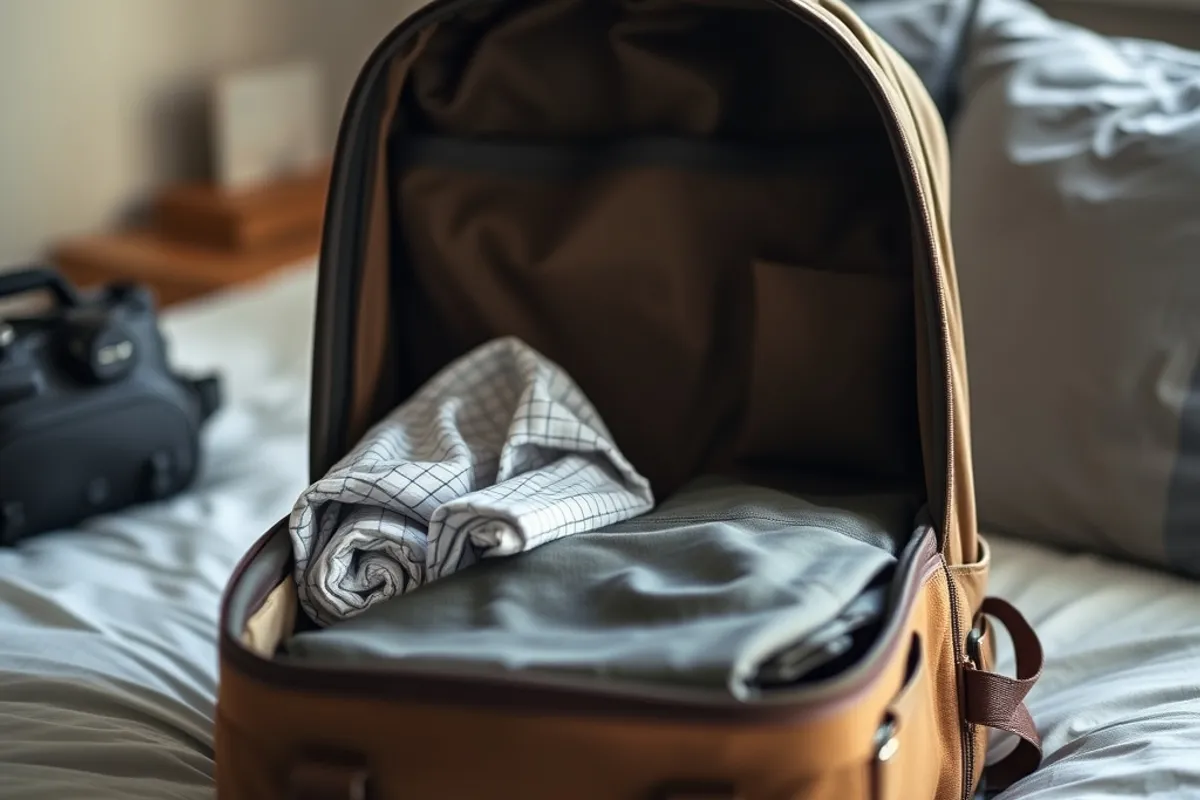
We filled each pack with the same kit: two shirts, one pair of shoes, a laptop, and a rain shell. That load showed how quickly a 40 litre bag closes. Models with clamshell openings made the contents visible, while panel loaders hid small items at the base. We preferred a wide opening at security, where a clear view saves time and repacking. A narrow lid costs minutes at every checkpoint.
The Best Carry-On Backpacks We Tested
The Osprey Farpoint 40 remains our baseline at about $175. Its 40 litre main compartment swallowed a weekend kit, and the harness carried weight well on a full day of walking. The shoulder straps are firm at first, then settle after a few hours. Peak Design Travel Backpack 45L costs near $300 and feels more refined, with clever internal folds. Both passed the sizer at a busy terminal.
Tortuga Travel Backpack 40L sells around $265 and suits travellers who dislike soft bags. Its frame keeps the shape upright, so clothes stay put during a long train ride. Cabin Max Metz costs about $70 and offers 44 litres for a fraction of that price. The fabric is thinner, yet it handled two flights without tearing or sagging at the seams. For short trips, that compromise is easy to accept.
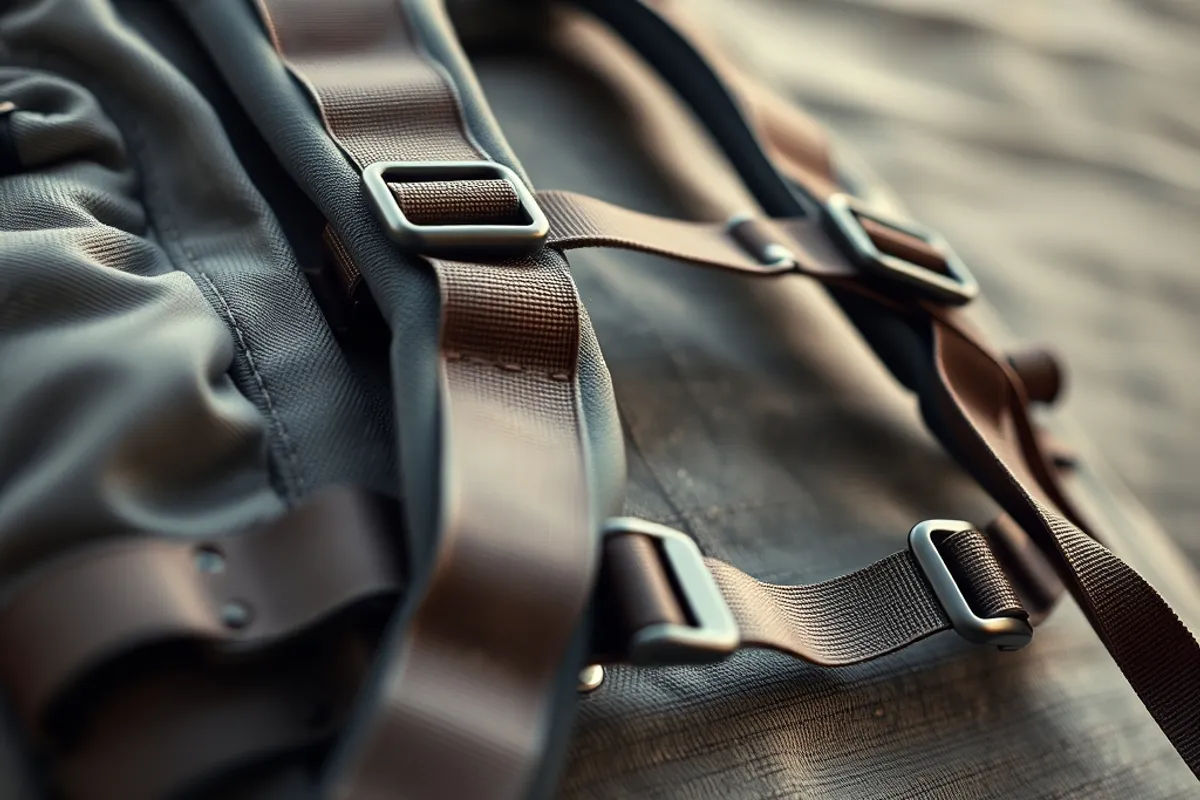
A backpack that fits the rule but ruins your shoulders is no bargain. Pay for a harness that fits, then pack less.
Budget Picks That Still Protect Your Gear
Cheap bags often fail at the zipper, not the fabric. We looked for double sliders that can be locked and seams with tight stitching. Decathlon Forclaz Travel 500 costs about 80 euros and includes a folder that keeps shirts flat. Its padded laptop sleeve measured 33 centimetres, so it fits most 13 inch machines without forcing the zip. Small details like that separate a bargain from a regret.
Water resistance is worth paying for, even on a dry forecast. A coated shell and a rain cover kept our test kit dry during a wet hour in Lisbon. Brands sometimes claim waterproof performance for bags that only resist a splash. Read the fabric description closely, and pack electronics in a separate pouch. A failed zip at the airport costs more than a better bag.
Fit, Straps, and Comfort on Long Days
A pack can meet every size rule and still hurt after an hour. We walked a fixed route with each bag loaded to eight kilograms, noting where pressure built. The best models shifted weight to the hips with a firm belt and a padded back panel. Adjust the straps while standing, then tighten the belt before you move. A loose bag swings and wastes energy.
Back length changes the fit more than brand does. Shorter travellers should look for packs with adjustable torso panels, since a fixed long frame digs into the lower back. We measured our testers and matched them to three frame sizes. A sternum strap helped on crowded platforms, keeping the load steady when we turned. Try the bag with your usual jacket on. Comfort is personal, so trust the mirror over the label.
Packing Smart Within Real Airline Limits
The final test was a two week trip with one bag and no checked luggage. We rolled clothes, used packing cubes, and kept a spare tote for souvenirs. Shoes went in at the base, soles facing out, with socks inside them. That method held a jacket, five outfits, and a small camera. It also left room for a document folder at the top. Weight stayed under ten kilograms, even with a full water bottle.
Ebony Demattia has long argued that the right bag disappears on the journey. Our pick for most travellers is the Osprey Farpoint 40, because it balances price, comfort, and honest capacity. Choose the Peak Design if organisation matters more than cost, and the Cabin Max if you fly twice a year. Measure first, pack light, and the cabin fight ends before it starts. That is the whole trick, and it needs no special gear.
Every rate and route in this guide was checked in 2026. We correct changes in public.
Corrections and tips? Contact us.