
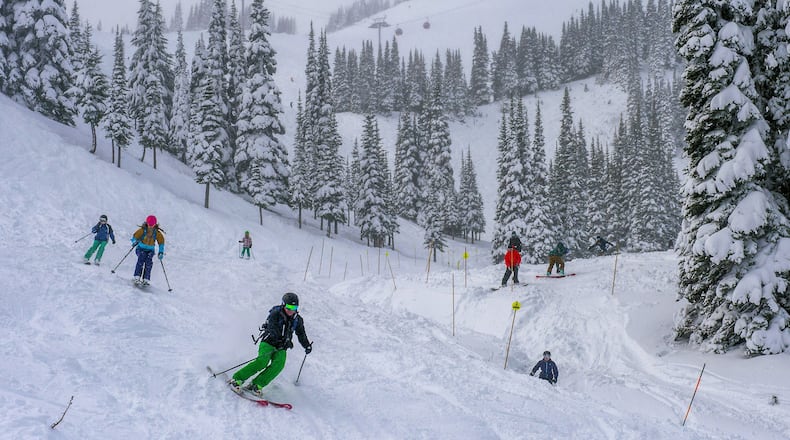
Achieving fluidity in winter sports requires a blend of finesse, awareness, and purposeful training. Athletes who glide effortlessly across snow do so thanks to disciplined practice and refined skill sets. These abilities develop gradually, supported by foundational principles and enhanced by smooth ride techniques that elevate both comfort and control in cold weather terrains.
Mastering Body Alignment For Natural Flow
Proper body alignment anchors every successful movement on the slopes. Balanced posture stabilizes the center of gravity, allowing smoother transitions. With shoulders relaxed and hips aligned over the feet, athletes maintain equilibrium even on unpredictable surfaces. This alignment creates a sense of natural flow, enabling riders to shift directions with minimal effort.
Small adjustments can produce dramatic improvements. Slightly bending the knees softens impact forces. A low, centered stance increases maneuverability. When alignment becomes instinctive, movement feels seamless and responsive.
Fine Tuning Edge Control And Pressure Distribution
Control begins at the edges. Whether using skis or a snowboard, riders must learn to distribute pressure precisely. Gentle, progressive pressure engages the edges without abruptness. Sharp, uncontrolled inputs cause chatter or instability, especially at higher speeds.
Refined edge control involves subtle ankle articulation. This micro movement improves directional accuracy and reduces resistance. As riders develop sensitivity through their feet, they adjust pressure with grace rather than force. It creates a smoother ride and fosters enhanced confidence.
Rhythm As A Guide To Smoother Movement
Every winter sport carries a natural rhythm. Establishing this cadence enhances consistency and reduces fatigue. When riders coordinate breaths, turns, and speed changes, the experience becomes harmonious. It feels almost musical.
This rhythm connects movement patterns, preventing erratic motions. Athletes who adopt a steady tempo find themselves conserving energy. Their turns become rounder, their glide longer, and their transitions nearly effortless.
Developing Core Stability To Reduce Excess Motion
The core is a stabilizing powerhouse. Strong core muscles mitigate unnecessary upper body motion, which often disrupts ride smoothness. By strengthening the obliques, lower back, and lower abdominals, athletes enhance their ability to maintain structural integrity while adapting to terrain variations.
Core conditioning also improves reaction times. When the body encounters uneven snow, the core absorbs instability before it reaches the limbs. This minimizes wobbling and keeps the ride controlled and silky.
Making Thoughtful Terrain Assessments
Smoother rides come from informed decisions. Before descending, skilled athletes analyze terrain with deliberation. They observe gradients, snow texture, potential hazards, and traffic flow. These observations help them choose optimal lines that support fluid movement.
Terrain awareness continues throughout the ride. By scanning the surroundings ahead of each turn, athletes adjust their technique proactively instead of reactively. This foresight leads to smoother transitions and safer experiences.
Utilizing Breath Control For Steady Performance
Breathing influences rhythm, stress levels, and muscular tension. Riders who hold their breath inadvertently stiffen their bodies. Stiffness interrupts smooth motion. Deliberate, rhythmic breathing keeps muscles relaxed and focus sharp.
Inhaling before initiating a turn and exhaling through the turn enhances continuity. It creates a physiological anchor that steadies movement. Breath work also sharpens mental clarity, making split second adjustments feel less chaotic and more intuitive.
Improving Flexibility For Greater Fluidity
Flexibility promotes freedom of movement. It reduces the likelihood of sudden stiffness that causes jerky motions. Stretching routines focusing on hips, hamstrings, quadriceps, and ankles allow athletes to execute deeper, rounder turns.
Dynamic flexibility exercises improve elasticity in muscles and connective tissue. This elasticity translates into smoother absorption of bumps and easier pivoting motions.
Equipment Tuning To Maximize Glide
Equipment condition significantly affects ride smoothness. Dull edges, unbalanced bindings, or dry bases hinder performance. Regular waxing enhances glide by reducing friction. Proper edge sharpening ensures grip without excessive bite.
Moreover, correct boot fit prevents discomfort that disrupts movement flow. Even minor pressure points can lead to compensatory motions. Well tuned equipment supports effortless motion and stability.
Practicing Slow Speed Drills For Precision
Slow drills refine technique with exceptional clarity. Moving at reduced speeds exposes weaknesses in balance, pressure control, and turning mechanics. When athletes refine these elements at slow speeds, they naturally improve at higher speeds.
Drills such as controlled S turns, pivot slips, or balance holds strengthen foundational skills. Once mastered, they directly contribute to smoother overall riding.
Maintaining Softness In Every Movement
Rigidity hampers fluidity. Skilled riders maintain softness in their joints, allowing legs and ankles to function like natural shock absorbers. This softness optimizes weight distribution and provides smoother contact with the snow.
Softness also creates a buffer against unexpected terrain shifts. Instead of resisting bumps, the body flows with them. This reduces impact, preserves momentum, and enhances comfort.
Building Confidence Through Gradual Progression
Confidence is essential for smooth riding. Gradual progression prevents rushed attempts that lead to instability. By mastering simpler techniques first, athletes build a strong foundation that supports more advanced maneuvers.

More Stories
Thrills to Ignite Your Winter Sports Adventures
Ideas for Memorable Winter Sports Weekends
Habits That Create Winter Sports Champions