
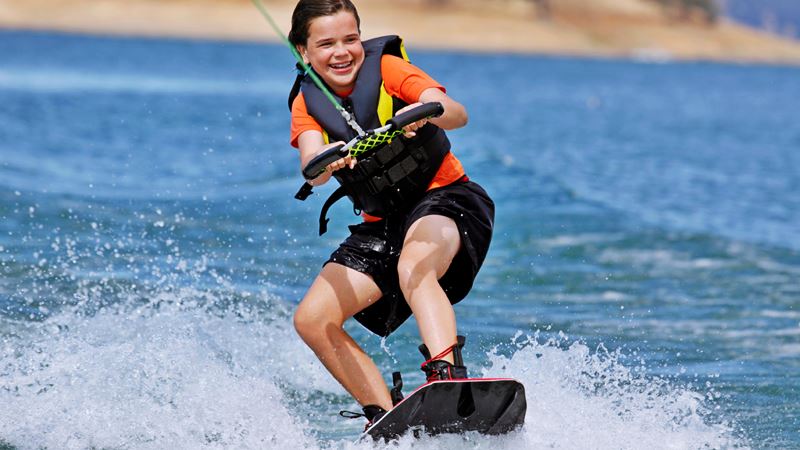
Mastering water sports requires more than agility; it demands presence, precision, and an evolving sense of balance. Athletes who excel understand that progress is a blend of intuition and deliberate practice. In this world of waves, speed, and shifting currents, true mastery often begins with applying control refining techniques that sharpen awareness and elevate performance.
Understanding the Foundation of Aquatic Stability
Control begins with stability, and stability begins with posture. Many enthusiasts overlook the extraordinary impact of stance alignment on overall maneuverability. A grounded stance knees soft, core engaged creates an internal anchor. This anchor helps athletes remain harmonized with unpredictable water patterns. Whether you’re windsurfing, kayaking, or wakeboarding, balance is not merely a starting point; it is a competitive edge.
Breathwork as a Hidden Lever of Mastery
Breathing influences every element of control. Slow, rhythmic inhalations do more than calm the mind they calibrate body tension and enhance flow. Skilled athletes often integrate breath cycles into each movement, synchronizing them with transitions, turns, and accelerations. When breath becomes a companion to motion, responsiveness increases dramatically.
Micro-Adjustments: The Art of Subtle Correction
One of the most underrated skills in water sports is micro-adjustment. These nearly invisible corrections shifts in weight, tilts in the hips, millimeter rotations in wrist alignment can redirect momentum with astonishing effectiveness. Small changes prevent major errors, allowing an athlete to adapt instantly to water texture, wind speed, or board behavior.
Sensory Awareness and Environmental Reading
Control is incomplete without environmental intuition. Water sports reward those who can “read the room,” or in this case, read the water. Observing wave intervals, identifying wind inconsistencies, recognizing buoyancy shifts all these contribute to smarter decision-making. Athletes who heighten their sensory awareness glide more smoothly, turn more decisively, and recover more quickly from missteps.
Strength Training Tailored to Fluid Motion
Strength improves control, but not all strength is equal. Water sports benefit most from dynamic strength movements that incorporate twist, extension, stabilization, and resistance. Training regimens often include rotational core exercises, resistance band drills, and proprioception-based workouts. These routines condition muscles to respond seamlessly to the fluidity of water.
Technique Layering: Building Complex Skills with Precision
The most successful athletes layer their techniques like scaffolding. They start with basic motions, then add complexity only when foundational skills become automatic. This progressive layering reinforces muscle memory and minimizes errors during high-intensity sessions. Over time, athletes develop an instinctive sense of what motion comes next, reducing hesitation and enhancing control.
Hydrodynamic Synergy
Understanding your equipment and how it interacts with the water is crucial. Boards, paddles, fins, and sails each carry their own hydrodynamic signatures. When athletes learn how their gear cuts, glides, or resists, they can manipulate angles and pressure points to achieve smoother navigation. This synergy transforms effort into efficiency.
Mental Focus and Controlled Aggression
Mental control shapes physical control. Athletes with sharp focus maintain coherence even during chaotic conditions. Controlled aggression pushing boundaries without sacrificing composure helps maintain momentum while avoiding recklessness. It’s a psychological balance that fuels both progress and safety.
Recovery Techniques for Sustainable Mastery
Control also relies on the body’s ability to reset. Stretching, hydration, and targeted muscle recovery preserve elasticity and strength. Athletes who honor recovery find it easier to maintain consistency, adapt quickly, and execute precise maneuvers day after day.


More Stories
Routines That Accelerate Water Sports Progress
Splash into Adventure: The Ultimate Guide to Thrilling Water Sports Around the Globe
Drills to Elevate Your Water Sports Game