

Dive into Adventure: Exploring the World of Water Sports
Water sports offer an exhilarating way to connect with nature while pushing your physical and mental limits. From the serene glide of kayaking to the adrenaline rush of white-water rafting, there’s an aquatic adventure tailored for every thrill-seeker. Whether you’re a beginner dipping your toes into the waves or an experienced athlete seeking new challenges, the world of water sports is vast and full of possibilities. This guide will take you through the most popular water sports, their benefits, essential equipment, and tips for getting started safely.
The Thrill of Popular Water Sports
Surfing: Conquering the Waves
Surfing is one of the most iconic water sports, where riders balance on a surfboard and ride ocean waves. Originating in Polynesia, it has evolved into a global phenomenon with professional competitions and vibrant beach cultures. Surfing requires agility, strength, and an understanding of wave patterns, making it both a sport and a lifestyle. Beginners often start with soft-top boards in gentle waves, while experienced surfers seek out powerful breaks like Pipeline in Hawaii orJeffreys Bay in South Africa.
Kayaking and Canoeing: Exploring Calm and Wild Waters
Kayaking and canoeing provide a unique perspective on nature, allowing paddlers to navigate rivers, lakes, and coastal waters. Kayaks, with their enclosed cockpits and double-bladed paddles, are ideal for solo adventures or rough waters, while canoes, open and stable, are perfect for group excursions. These sports are not only physically rewarding but also mentally relaxing, offering a chance to escape the hustle and bustle of daily life. Popular destinations include the fjords of Norway, the Everglades in Florida, and the serene backwaters of Kerala, India.
Scuba Diving: Discovering the Underwater World
Scuba diving unlocks a hidden universe beneath the water’s surface, where vibrant coral reefs, shipwrecks, and diverse marine life await. Certified divers can explore depths of up to 40 meters, encountering creatures like sea turtles, manta rays, and even whale sharks in some locations. Popular diving spots include the Great Barrier Reef in Australia, the Blue Hole in Belize, and the cenotes of Mexico. Beginners should always start with an Open Water Diver certification, learning essential skills like buoyancy control and safety procedures.
White-Water Rafting: Adrenaline on the Rapids
For those who crave excitement, white-water rafting delivers an action-packed ride through turbulent rivers. Using an inflatable raft, teams navigate through rapids rated from Class I (easy) to Class V (extreme), working together to steer and avoid obstacles. The adrenaline rush is matched by the stunning landscapes that often accompany river adventures, from the Himalayan gorges of Nepal to the Colorado River’s Grand Canyon. Safety is paramount, so always wear a helmet, life jacket, and follow the guidance of experienced guides.
Stand-Up Paddleboarding (SUP): Balancing and Gliding
Stand-Up Paddleboarding, or SUP, has grown in popularity for its accessibility and versatility. Participants stand on a large board and use a paddle to propel themselves across calm waters like lakes, bays, or slow-moving rivers. SUP offers a full-body workout while also serving as a relaxing way to enjoy the scenery. It’s a great activity for all ages and fitness levels, with variations like yoga on a paddleboard adding an extra challenge. Popular SUP destinations include Lake Tahoe in the U.S., the canals of Venice, and the turquoise waters of the Maldives.
The Health and Wellness Benefits of Water Sports
Engaging in water sports isn’t just about fun and adventure—it also offers numerous health benefits. Physically, these activities provide a full-body workout, improving cardiovascular health, muscle strength, and flexibility. For example, surfing engages the core, arms, and legs, while kayaking builds endurance and upper-body strength. Mentally, water sports reduce stress by immersing participants in natural environments, promoting mindfulness and relaxation. The rhythmic motion of paddling or the meditative focus of diving can act as a form of moving meditation, lowering cortisol levels and boosting mood.
Mental Health and Water Sports
Water sports have been linked to improved mental well-being. The combination of physical activity, exposure to nature, and the release of endorphins can alleviate symptoms of anxiety and depression. Additionally, the sense of accomplishment from mastering a new skill or conquering a challenging wave can boost self-esteem and confidence. Many water sports also foster a sense of community, whether it’s joining a local surf club or participating in group kayaking tours, providing social connection and support.
Physical Fitness and Endurance
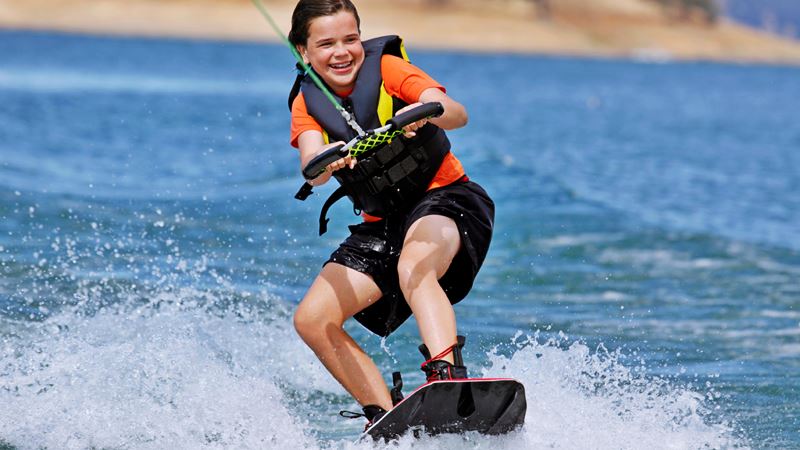
The demands of water sports require participants to develop strength, stamina, and agility. Activities like scuba diving enhance lung capacity and breathing control, while wakeboarding improves balance and coordination. Even low-impact sports like SUP or snorkeling contribute to overall fitness by engaging multiple muscle groups. Regular participation in water sports can lead to better posture, increased energy levels, and a healthier weight.
Essential Gear and Safety Tips
Must-Have Equipment for Water Sports
Each water sport requires specific gear to ensure safety and enjoyment. For surfing, a wetsuit, surfboard, and leash are essential, along with sunscreen and a rash guard to protect against the sun and chafing. Kayakers and canoeists should invest in a properly fitted life jacket, a paddle, and a helmet for white-water adventures. Scuba divers need a well-maintained BCD (buoyancy control device), regulator, wetsuit, mask, fins, and a dive computer to monitor depth and time. Beginners should rent equipment before purchasing to determine what suits them best.
Safety First: Protecting Yourself in the Water
Safety should always be the top priority when engaging in water sports. Before heading out, check weather conditions and water currents, as these can change rapidly. Always wear a life jacket, especially in boats or when participating in high-velocity sports like jet skiing. For scuba diving, never dive alone and always follow the buddy system. Stay hydrated, wear sunscreen, and be mindful of marine life to avoid stings or bites. Taking a water safety course, such as one offered by the Red Cross, can provide valuable skills like CPR and rescue techniques.
Choosing the Right Location
The location you choose can make or break your water sports experience. Beginners should start in calm, shallow waters with gentle waves, such as a lake or protected beach. More experienced adventurers might seek out challenging rapids, deep-sea diving spots, or famous surf breaks. Research local regulations, tides, and potential hazards like strong currents or jellyfish. Joining a guided tour or taking a lesson with a certified instructor can also enhance safety and skill development.
Getting Started: Tips for Beginners
Take a Lesson or Join a Group
If you’re new to water sports, taking a lesson from a certified instructor is the best way to learn the basics. Many resorts and outdoor centers offer beginner-friendly courses in surfing, kayaking, or diving, providing hands-on training in a safe environment. Joining a local club or group is another great way to meet fellow enthusiasts, share tips, and gain confidence. Social media platforms and apps like Meetup or Facebook Groups often have communities dedicated to specific water sports.
Start Small and Build Skills
Avoid jumping into advanced activities right away. Begin with easier versions of a sport, such as flat-water kayaking before tackling white-water rapids, or snorkeling before scuba diving. Gradually build your skills and confidence, and don’t be afraid to ask for help or advice. Keeping a journal to track your progress can be motivating and help you identify areas for improvement.
Invest in Quality Gear Gradually
While renting equipment is a great way to start, investing in your own gear as you progress can enhance your experience. Look for second-hand options or borrow from friends to keep costs manageable. Quality gear not only improves performance but also ensures safety. For example, a well-fitting wetsuit will keep you warm in cold water, while a durable paddle will last longer than a cheap alternative.
Eco-Friendly Water Sports: Protecting Our Oceans
As water sports enthusiasts, it’s our responsibility to protect the environments we love. Plastic pollution, coral reef damage, and overfishing threaten the health of our oceans and waterways. Adopting eco-friendly practices can make a big difference. Always pack out what you pack in, avoiding single-use plastics like water bottles and straws. Choose reef-safe sunscreen to protect marine life from harmful chemicals. Participate in beach cleanups or volunteer with conservation organizations to give back to the places you explore.
Support Sustainable Tourism
When traveling for water sports, support businesses that prioritize sustainability. Choose eco-conscious tour operators, accommodations, and gear rental shops that use environmentally friendly practices. Look for certifications like Green Fins for dive centers or Leave No Trace principles for outdoor activities. By making responsible choices, you can help preserve natural habitats for future generations.
Leave No Trace Principles
The Leave No Trace Seven Principles provide a framework for minimizing your impact on the environment. These include planning ahead and preparing, disposing of waste properly, leaving what you find, respecting wildlife, and being considerate of other visitors. Applying these principles to water sports ensures that the places you love remain pristine and accessible for years to come.
Water Sports Destinations Around the World
The world is filled with breathtaking destinations for water sports enthusiasts. Whether you’re seeking world-class waves, crystal-clear waters, or untouched wilderness, there’s a spot that will inspire your next adventure. Here are some top destinations to add to your bucket list:
- Gold Coast, Australia: Known as the surfing capital of the world, the Gold Coast offers iconic breaks like Surfers Paradise and Snapper Rocks. It’s also a great spot for jet skiing and whale watching.
- Whistler, Canada: While famous for its skiing, Whistler is also a hub for white-water rafting on the Cheakamus and Elaho Rivers, with stunning mountain views.
- Zanzibar, Tanzania: This tropical paradise is a diver’s dream, with vibrant coral reefs, whale sharks, and the historic Mnemba Atoll Marine Reserve.
- Norway’s Fjords: Kayaking through Norway’s fjords offers a surreal experience, with towering cliffs, cascading waterfalls, and the chance to see seals and porpoises.
- Maldives: A premier destination for snorkeling and diving, the Maldives boasts over 2,000 coral islands, home to manta rays, reef sharks, and bioluminescent plankton.
- Costa Rica: With both Pacific and Caribbean coastlines, Costa Rica is a haven for surfers, featuring breaks like Tamarindo and Pavones. It’s also a top spot for river rafting in the Pacuare River.
- New Zealand’s Bay of Islands: This region is perfect for kayaking, sailing, and swimming with dolphins in its turquoise waters.
Conclusion: Embrace the Adventure
Water sports open doors to unforgettable experiences, whether you’re riding a wave, exploring a coral reef, or gliding across a serene lake. They challenge you physically, invigorate your mind, and connect you with nature in ways few other activities can. As you dive into this world, remember to prioritize safety, respect the environment, and embrace the learning process. Every splash, every paddle stroke, and every dive brings you one step closer to becoming a confident and responsible water sports enthusiast. So, grab your gear, find your local waterway, and let the adventure begin!
Have you tried any water sports? Share your experiences and favorite destinations in the comments below. Let’s inspire each other to explore the incredible world of aquatic adventures!


More Stories
Techniques for Better Control in Water Sports
Routines That Accelerate Water Sports Progress
Splash into Adventure: The Ultimate Guide to Thrilling Water Sports Around the Globe