
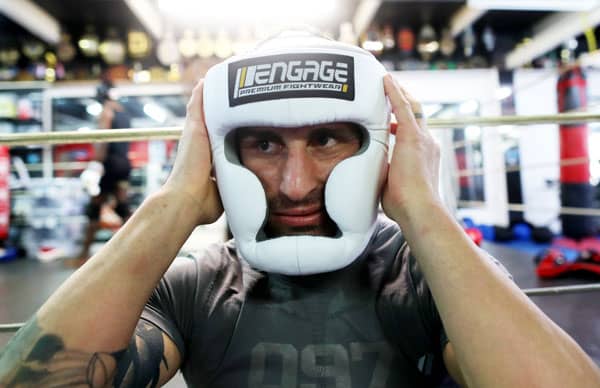
The world of combat sports thrives on tenacity, resilience, and an unshakable inner drive. Athletes often discover that physical aptitude alone is insufficient, and what truly separates contenders from champions is their relationship with adversity. In training environments crafted to elevate toughness, fighters encounter grit building challenges that shape their resolve. These challenges arrive in many forms, some brief yet intense, others prolonged and deeply demanding, but each contributes to forging unwavering mental stamina.
High Pressure Drills for Immediate Toughness
Coaches frequently utilize rapid intensity drills to cultivate swift decision making under duress. These exercises often compress time, forcing fighters to adapt instantly. Short burst sparring rounds, for example, might last only thirty seconds, yet they demand explosive output. Athletes must generate precise strikes, purposeful footwork, and efficient defensive maneuvers. The condensed nature of these rounds trains fighters to function effectively despite chaos.
Another variation involves reactive stimulus work. Partners provide unpredictable cues, compelling the fighter to respond without hesitation. This spontaneity builds cognitive agility, a crucial factor when facing an opponent who constantly shifts tactics. Over time, these fast paced drills develop a sharpened mindset that thrives under pressure.
Conditioning Challenges That Extract Mental Fortitude
Combat sports require cardiovascular endurance and muscular durability, but their deeper aim is the cultivation of perseverance. Conditioning circuits often stretch beyond physical thresholds, compelling athletes to confront moments where discomfort escalates. Hill sprints offer a classic example, demanding repeated surges up steep inclines. The climb becomes a metaphor for discipline itself.
Similarly, extended bag rounds ask athletes to maintain rhythm, focus, and technique long after fatigue sets in. Fighters learn that endurance is not merely a physical quality but also a psychological contract with oneself. Persisting through these exhausting sessions enhances the ability to stay composed in late rounds of competition.
Technical Obstacles Requiring Patience and Precision
Grit is also built through meticulous technical tasks that appear simple yet require tremendous focus. Complex combination sequences, for instance, challenge memory, timing, and fine motor coordination. Athletes repeat these sequences repeatedly until they become instinctive. The repetition teaches patience and reminds fighters that mastery rarely arrives quickly.
Grappling scenarios provide an additional layer of difficulty. Position based drills, such as escaping from a tight hold or maintaining dominance against a resisting partner, illustrate how mental resolve interacts with tactical strategy. These tasks reinforce the idea that persistence often outmatches brute strength.
Sparring Variations That Elevate Resilience
Controlled sparring is already demanding, but creative modifications heighten its grit shaping effect. A common method involves isolating one fighter with multiple partners cycling in fresh. This scenario simulates cumulative fatigue and rising odds. The fighter in the center must stay alert, maintain technique, and avoid reckless patterns. This scenario teaches the value of strategic energy management.
Another sparring challenge restricts certain tools or techniques. For instance, a striker might spar using only defense, or a grappler might be allowed only positional transitions. Such constraints force athletes to rely on creativity and adaptability. These limitations also encourage humility, reminding fighters that growth emerges when comfort zones dissolve.
Long Form Challenges Spanning Extended Time
Some training programs incorporate prolonged obstacles designed to test long term resilience. These might take the form of multi hour sessions with varied tasks that flow from conditioning to technique to mental drills. Fighters experience fluctuating states of fatigue and clarity, learning to navigate both without losing motivation.
Outdoor endurance tests are also common. Whether it involves trekking rugged terrain, completing extended runs, or performing calisthenics in challenging environments, the unpredictability adds a vital layer. Athletes learn to stay mentally anchored even when conditions are far from ideal.
Psychological Exercises to Strengthen Inner Resolve
Grit is as much a mental construct as it is a physical one. Many gyms now integrate psychological training to strengthen emotional resilience. Visualization practices guide athletes to imagine scenarios of high stress and successful navigation. By rehearsing mentally, fighters craft a cognitive blueprint that supports real performance.
Breath control exercises also reduce anxiety and improve focus. Slow, deliberate breathing stabilizes the mind and enhances clarity during intense exchanges. Fighters taught to regulate their breathing develop a calmer internal environment, even when the external one is full of volatility.
Partner Based Challenges That Build Trust and Tenacity
Team oriented tasks add another dimension of grit development. Certain drills require pairs to complete synchronized movements that become increasingly difficult as fatigue rises. These exercises cultivate mutual accountability, an essential aspect of training culture.
Resistance based partner challenges also strengthen resolve. One fighter attempts to advance while the partner provides calculated resistance. Progress becomes a combination of leverage, technique, and determination. These moments teach the value of incremental gains.
Skill Integration Tests Under Strain
A final category of grit focused training blends all elements simultaneously. Fighters might be asked to demonstrate complex techniques immediately after a grueling conditioning activity. This forces the integration of precision, endurance, and mental control under strain. The objective is to maintain high quality execution even in depleted states.
These tests mirror real match conditions, where clarity and stability must coexist with exhaustion. Athletes who consistently perform in these environments develop a durable competitive mindset, capable of navigating any escalation.



 "Training Routines to Boost Team Sports Skills")
More Stories
The Art of Blending Chaos: Where MMA Meets Mind-Body Mastery
Unleash Your Inner Champion: The Ultimate Boxing Training Blueprint
The Art of Stillness: How Martial Arts Teaches Inner Peace