
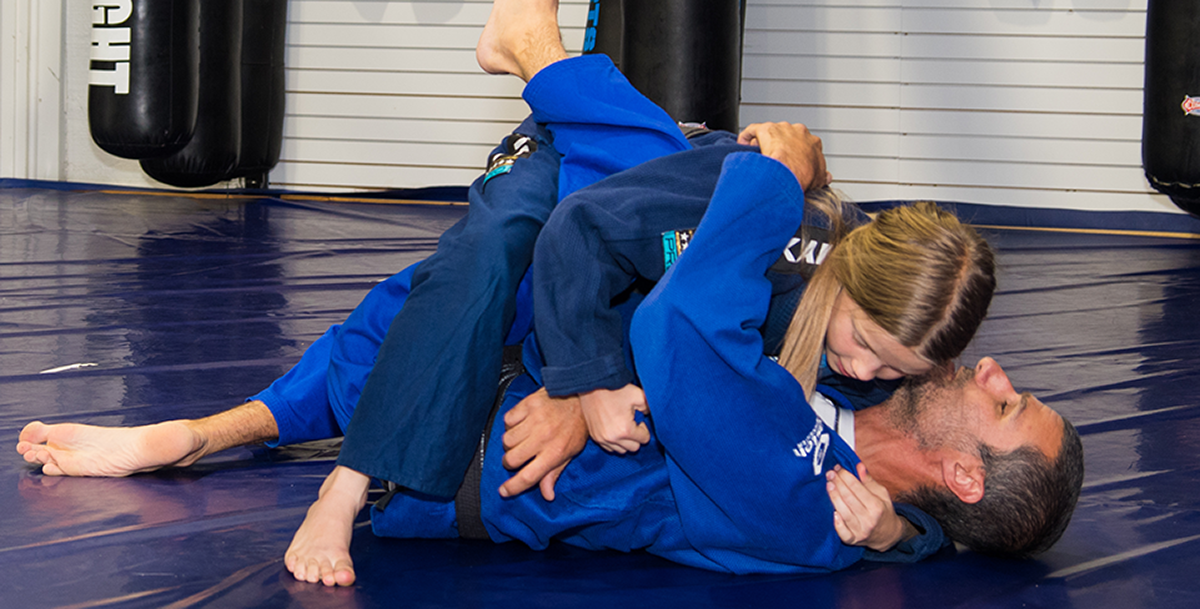
Developing a formidable defense requires precision, awareness, and an unwavering commitment to consistent practice. Early fundamentals shape long term resilience, while refined techniques elevate confidence during high pressure exchanges. Among the most impactful methods are a series of defense strengthening tips that help athletes anticipate threats, neutralize attacks, and maintain tactical composure. These insights empower fighters to navigate demanding bouts with poise and strategic clarity.
Mastering the Art of Guard Positioning
A solid guard functions as the backbone of every defensive system. Whether using a high shield, a tucked chin structure, or a dynamic shifting stance, the guard must remain disciplined. Small deviations create openings that opponents exploit quickly.
Athletes should train to keep elbows tight, hands responsive, and head movement subtle but constant. The guard is not meant to be static. It should adapt fluidly to changing rhythms. Through meticulous repetition, fighters develop instinctive motion patterns that help protect vulnerable zones without compromising offensive readiness.
Refining Tactical Footwork for Defensive Mobility
Footwork directly influences an athlete’s ability to evade, block, or counter incoming strikes. Smooth lateral steps, precise pivots, and quick backward retreats help maintain distance and neutralize aggressive advances.
Combatants benefit from practicing footwork drills that challenge balance and promote multidirectional agility. Tight spaces, angled pathways, and sudden stimulus prompts enhance reflexive foot placement. The more mobile the athlete, the harder it becomes for the opponent to land clean techniques. This fluid movement adds layers to the overall defensive structure.
Developing Predictive Awareness Through Observation
Defense improves significantly when athletes learn to predict incoming attacks. Observation plays a vital role. Experienced fighters read subtle cues such as shoulder tension, weight transfer, or deliberate rhythm disruptions.
This observational prowess allows fighters to recognize the beginning of a strike before it reaches its full extension. Predictive awareness emerges from experience, focused drills, and mindful sparring sessions. As this skill grows, defensive actions become faster, smoother, and far more effective.
Strengthening Core Stability for Better Absorption
A strong core provides shock absorption during unavoidable strikes. Stability training enhances muscular endurance while protecting vital areas. Fighters should prioritize rotational conditioning, controlled breathing techniques, and symmetrical strengthening routines.
Core engagement ensures that even when a strike slips through the guard, the body can withstand impact with reduced disruption. This physical reinforcement helps maintain balance, clarity, and tactical positioning.
Crafting Efficient Blocking and Parrying Techniques
Blocks and parries form the immediate line of defense when distance cannot be maintained. A skilled fighter uses minimal motion to deflect or mitigate force. Overextended blocks create vulnerabilities, while subtle parries redirect power harmlessly.
Drills that isolate specific defensive movements enhance muscle memory. Athletes can practice parrying jabs, smothering hooks, or shielding against kicks. The goal is to keep movements economical, sharp, and instinctive. Over time, defense transitions from conscious effort into an automatic response.
Applying Counter Defensive Strategies
Effective defense often sets the stage for powerful counters. When fighters combine protection with timely retaliation, opponents hesitate. This hesitation gradually shifts control of the match.
Counter defensive strategies include slipping a punch and firing back instantly, checking a low kick and returning a strike, or using clinch entries to disrupt the opponent’s rhythm. These transitions require precision. With consistent training, athletes develop seamless defensive counterflows that enhance both safety and momentum.
Utilizing Head Movement to Minimize Impact
Head movement plays a critical role in reducing the severity of incoming strikes. Slip lines, roll paths, and subtle nods allow fighters to avoid direct hits while staying engaged.
The key is controlled, economical movement. Wild head motion creates imbalance. Instead, athletes should practice rhythmic drills that fine tune timing. When executed proficiently, head movement becomes an elegant defensive mechanism that preserves energy and increases longevity during intense exchanges.
Building Defensive Endurance Through Sustained Drills
Defense demands stamina. A fatigued fighter becomes vulnerable, often lowering guard and slowing reactions. Endurance training specifically for defensive tasks ensures that protective techniques remain consistent through entire rounds.
Extended blocking drills, prolonged footwork circuits, and partner based pressure routines help condition both mind and body. These sessions reinforce resilience, teaching fighters to maintain defensive discipline even when fatigue begins to take hold.
Leveraging Distance Control for Strategic Safety
Controlling distance is one of the most sophisticated defensive skills. Athletes learn to identify optimal engagement ranges, staying far enough to avoid damage yet close enough to remain ready.
Distance control incorporates timing and spatial awareness. Fighters practice stepping just outside an opponent’s reach, then reentering with strategic purpose. By mastering this delicate balance, they reduce risk while enhancing tactical opportunities.
Integrating Defensive Drills Into Controlled Sparring
Sparring offers a practical environment to apply defensive strategies. Controlled sessions allow fighters to focus specifically on defense without the pressure of full power exchanges. Partners can initiate varied combinations while the defender works solely on blocking, slipping, and footwork.
This targeted sparring method enhances reflexes and increases confidence. It also encourages fighters to experiment with new defensive patterns, developing a more versatile and resilient protective system.


 "Training Routines to Boost Team Sports Skills")

More Stories
The Art of Blending Chaos: Where MMA Meets Mind-Body Mastery
Unleash Your Inner Champion: The Ultimate Boxing Training Blueprint
The Art of Stillness: How Martial Arts Teaches Inner Peace