

Chill Thrills: Conquering Winter’s Wildest Sports
Winter isn’t just a season—it’s an invitation to push boundaries, test limits, and embrace the raw power of nature’s most dramatic playground. As snow blankets the earth and temperatures drop, the world transforms into a vast arena for adventure seekers. From heart-pounding descents to serene glides, winter sports offer something for every thrill-seeker, whether you’re a seasoned pro or a curious newcomer. This guide dives into the wildest, most exhilarating winter sports that will make your season unforgettable.
The Adrenaline Rush: High-Octane Winter Sports
For those who crave speed, danger, and an adrenaline spike that rivals a rollercoaster, winter delivers in spades. These sports aren’t for the faint of heart—they demand courage, skill, and a willingness to dance with risk.
- Downhill Skiing: The quintessential winter sport, downhill skiing combines precision, power, and gravity-defying speed. Whether you’re carving through groomed runs at a resort or tackling black diamond slopes in the backcountry, the thrill of flying downhill is unmatched. Resorts like Whistler Blackcomb and Chamonix offer terrain for every level, from gentle beginner slopes to treacherous expert runs.
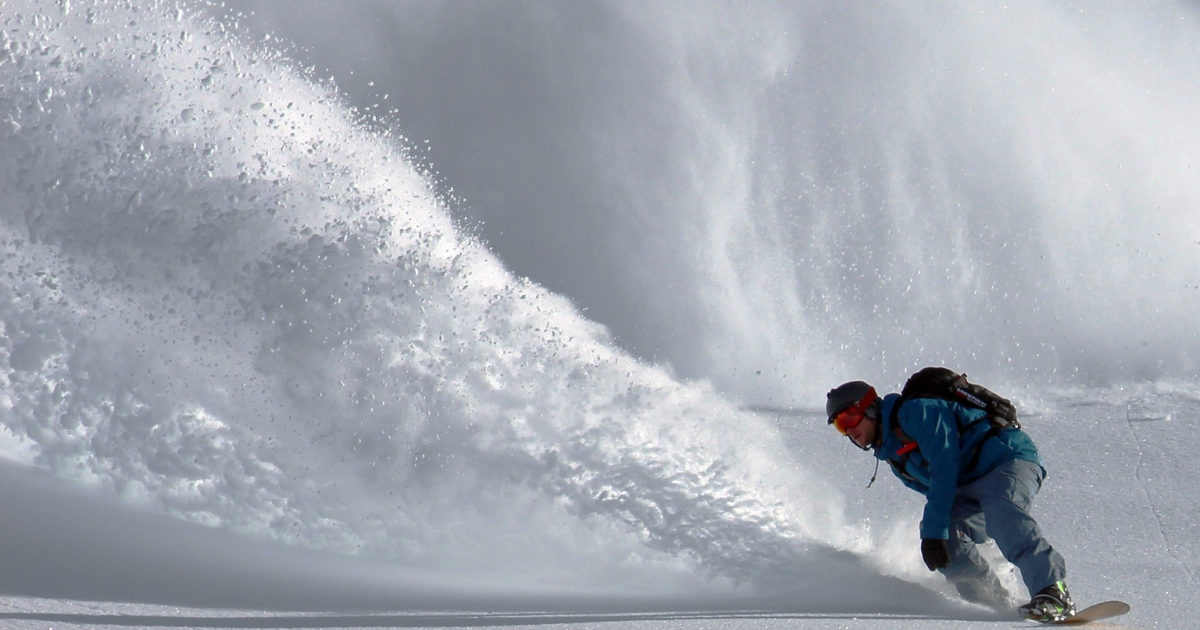
- Snowboarding: Born from surfing culture, snowboarding has evolved into a global phenomenon. Riders descend mountains with a fluid, dance-like grace or launch off massive terrain park jumps, defying gravity with tricks like spins, flips, and grabs. Iconic spots like Park City and Niseko attract snowboarders eager to push their limits.
- Freestyle Skiing: A discipline that blends acrobatics with skiing, freestyle skiing includes moguls, aerials, and halfpipe events. Watching athletes perform gravity-defying flips and twists mid-air is a spectacle of control and creativity. The X Games and FIS Freestyle World Ski Championships showcase the most daring athletes in the sport.
- Ice Climbing: For those who want to conquer not just mountains but vertical ice formations, ice climbing is the ultimate challenge. Using ice axes and crampons, climbers ascend frozen waterfalls and cliffs, battling the elements in a raw, intimate battle with nature. Locations like Ouray in Colorado and Helmcken Falls in Canada are legendary among climbers.
- Snowkiting: Imagine harnessing the power of the wind to glide across snowy landscapes on a kiteboard. Snowkiting blends elements of kitesurfing and snowboarding, offering a unique way to explore vast, open plains. The frozen lakes of Minnesota and the steppes of Mongolia are prime spots for this high-flying adventure.
The Art of Precision: Skiing and Snowboarding Techniques
Mastering winter sports isn’t just about brute force—it’s about finesse, technique, and understanding the terrain. Whether you’re strapping on skis for the first time or perfecting your snowboard tricks, these tips will help you refine your skills and conquer the mountain with confidence.
- Skiing Fundamentals:
- Stance and Balance: Keep your knees slightly bent, weight centered over your skis, and hands forward to maintain control. Your legs should act as shock absorbers, absorbing bumps and uneven terrain.
- Turning Techniques: Practice the “pizza” (snowplow) for beginners, then progress to parallel turns for smoother, faster descents. Weight transfer is key—shift your weight from one ski to the other to initiate turns.
- Edge Control: Lean slightly into your turns and engage your edges to carve clean lines down the slope. This technique reduces skidding and increases speed control.
- Snowboarding Basics:
- Stance and Posture: Keep your knees bent, shoulders aligned with your board, and weight centered. Unlike skiing, snowboarding relies on leg strength and flexibility to absorb shocks.
- Turning and Carving: To turn, shift your weight to your toes or heels while keeping your upper body relaxed. For sharper turns, use your back foot to pivot the board.
- Falling Safely: When you lose balance, try to fall sideways rather than backward to avoid injury. Use your arms to protect your head and roll with the impact.
- Advanced Moves:
- Skiing: Learn to ski switch (backward), tackle moguls with rhythmic absorption, or venture into off-piste terrain for untouched powder.
- Snowboarding: Master flatland tricks like ollies and nollies, or progress to spins and flips in the terrain park. Rail sliding (grinding on metal rails) adds another layer of challenge.
Beyond the Mountain: Unique Winter Adventures
Winter sports aren’t confined to ski resorts and snowy peaks. The season offers a wealth of unconventional activities that allow you to explore frozen landscapes in ways you never imagined. These adventures combine athleticism, creativity, and a deep connection to nature.
- Dog Sledding: Glide across snow-covered trails while being pulled by a team of eager huskies. This ancient mode of transportation is now a bucket-list experience, with destinations like Alaska, Finland, and Canada offering guided tours. Learn to communicate with your dogs, understand sled commands, and immerse yourself in the silence of a winter wilderness.
- Fat Biking: Standard bikes struggle in snow, but fat bikes—with their oversized tires—triumph over winter trails. Ride through forests, across frozen lakes, or along groomed paths in destinations like Crested Butte, Colorado, or Lapland, Finland. The slow, methodical pace contrasts with the thrill of speed, making it a unique way to explore the season.
- Ice Fishing: Trade the hustle of crowded ski lodges for the tranquility of a frozen lake. Ice fishing combines patience, strategy, and a touch of luck as you drill holes, drop lines, and wait for a bite. Regions like the Great Lakes, Manitoba’s Lake Winnipeg, and Sweden’s archipelagos offer prime spots for this relaxing yet rewarding activity.
- Snowshoeing: A low-impact way to explore snowy terrain, snowshoeing opens up trails and landscapes that are inaccessible in other seasons. Whether you’re trekking through national parks, following wildlife tracks, or embarking on a multi-day expedition, snowshoes distribute your weight to prevent sinking into deep snow. Popular destinations include Banff National Park and the Swiss Alps.
- Ice Skating on Natural Rinks: Ditch the crowded indoor rinks and glide across frozen lakes, rivers, or canals. Iconic spots like Sweden’s Lake Siljan, Russia’s Red Square, or Canada’s Rideau Canal offer magical experiences. The key is safety—ensure the ice is thick enough (at least 4 inches for skating) and always check local advisories.
- Winter Mountaineering: For those who want to summit peaks in the off-season, winter mountaineering combines technical climbing with avalanche awareness and cold-weather survival skills. Routes like Mount Washington in New Hampshire or the Alps’ Mont Blanc demand physical stamina, route-finding ability, and respect for the mountain’s moods.
Gear Up: Essential Equipment for Winter Thrills
No winter adventure is complete without the right gear. Ill-fitting or inadequate equipment can turn a dream trip into a nightmare, so investing in quality gear is non-negotiable. Whether you’re skiing, snowboarding, or ice climbing, these essentials will keep you safe, warm, and ready to take on the elements.
- Base Layers: The foundation of your winter wardrobe, base layers should wick moisture away from your skin while retaining warmth. Opt for merino wool or synthetic fabrics like polyester. Avoid cotton—it holds moisture and can make you feel colder.
- Insulated Jackets and Pants: A high-quality insulated jacket (down or synthetic) and snow pants will protect you from wind, snow, and cold. Look for waterproof and breathable materials like Gore-Tex to stay dry during intense activity.
- Goggles and Helmets: Protect your eyes from snow glare, wind, and UV rays with UV400-rated goggles. A helmet is a must for skiing, snowboarding, and ice climbing to prevent head injuries. Many resorts require helmets for children and teens.
- Gloves or Mittens: Waterproof, insulated gloves are essential for most winter sports. Mittens offer more warmth but less dexterity, while gloves provide better grip and flexibility. Consider mittens with removable liners for versatility.
- Boots:
- Ski Boots: Modern ski boots are rigid and snug to transfer energy efficiently. Rent or buy boots that fit snugly but don’t pinch—comfort is key for long days on the mountain.
- Snowboard Boots: These should be stiff enough to support your ankles but comfortable for walking. Boots with heat-moldable liners conform to your feet for a custom fit.
- Mountaineering Boots: For ice climbing or winter mountaineering, boots should be crampon-compatible, insulated, and waterproof. Brands like La Sportiva and Scarpa offer models designed for extreme cold.
- Bindings and Boards:
- Ski Bindings: Look for bindings that match your skiing style—alpine bindings for downhill, touring bindings for backcountry, and telemark bindings for the classic telemark turn.
- Snowboards: Choose a board based on your riding style: all-mountain for versatility, freestyle for park tricks, freeride for powder, or splitboards for backcountry touring.
- Extras for Safety and Comfort:
- Avalanche Safety Gear: If venturing into the backcountry, carry an avalanche beacon, shovel, and probe. Take an avalanche safety course to learn how to use them effectively.
- Hand and Foot Warmers: Disposable or rechargeable warmers can be a lifesaver during extreme cold or long sessions outside.
- Sunglasses and Sunscreen: Snow reflects up to 80% of UV rays, increasing your risk of sunburn. Apply SPF 30+ sunscreen to exposed skin and wear UV-blocking sunglasses or goggles.
Safety First: Staying Alive in Winter’s Wild Playground
Winter sports are exhilarating, but the mountain doesn’t forgive mistakes. Hypothermia, frostbite, avalanches, and falls are real dangers that can turn a fun day into a life-threatening situation. Prioritizing safety ensures you can enjoy the thrills without putting yourself or others at risk.
- Know Your Limits: Pushing beyond your skill level is a leading cause of winter sports injuries. Start with beginner terrain and gradually progress as your confidence and ability grow. If you’re unsure, take a lesson from a certified instructor.
- Avalanche Awareness: Backcountry skiing and snowboarding require avalanche education. Learn to read terrain, understand snowpack, and recognize signs of instability. Carry essential gear (beacon, shovel, probe) and never travel alone in avalanche-prone areas.
- Weather Watch: Mountain weather can change rapidly. Check forecasts before heading out and be prepared for sudden storms, whiteouts, or extreme cold. If conditions deteriorate, turn back—no summit or run is worth risking your life.
- Hydration and Nutrition: Cold weather can mask dehydration. Drink water regularly and eat high-energy snacks like nuts, chocolate, or energy bars to maintain stamina. Avoid alcohol before or during activity—it increases heat loss and impairs judgment.
- Buddy System: Never venture into the backcountry or remote areas alone. Having a partner ensures you can assist each other in case of injury, equipment failure, or getting lost. If skiing with a group, establish meeting points and check-ins.
- Frostbite and Hypothermia Signs:
- Frostbite: Numbness, tingling, or pale/white skin on fingers, toes, ears, or nose. If you suspect frostbite, warm the affected area gradually and seek medical help.
- Hypothermia: Shivering, slurred speech, confusion, drowsiness, or loss of coordination. If someone shows signs, get them to shelter, remove wet clothing, and warm them with blankets or body heat. Severe cases require emergency care.
- First Aid and Emergency Preparedness: Carry a basic first aid kit and know how to use it. Learn CPR and basic wilderness first aid techniques. In remote areas, a satellite communicator (like a Garmin inReach) can be a lifeline for emergencies.
Winter Sports Destinations: Where to Find the Ultimate Thrills
From the jagged peaks of the Alps to the vast wilderness of North America, the world is packed with destinations that cater to every winter sport imaginable. Whether you’re chasing powder, perfecting your technique, or seeking untouched backcountry, these locations will fuel your winter dreams.
- North America:
- Whistler Blackcomb, Canada: Consistently ranked the #1 ski resort in North America, Whistler offers over 8,000 acres of terrain, including the legendary Peak 2 Peak Gondola. The resort also features a world-class terrain park for snowboarders.
- Park City, Utah, USA: Home to the 2002 Winter Olympics, Park City’s 7,300 acres of skiable terrain include groomed runs, glades, and a massive terrain park. The nearby Wasatch Mountains are a backcountry haven.
- Jackson Hole, Wyoming, USA: Known for its steep, challenging terrain and legendary powder, Jackson Hole attracts expert skiers and snowboarders. The resort’s aerial tram accesses terrain with vertical drops over 4,000 feet.
- Revelstoke, Canada: A powder hound’s paradise, Revelstoke receives over 40 feet of snow annually. The resort’s backcountry access and untouched tree runs make it a dream for advanced riders.
- Telluride, Colorado, USA: This historic mining town boasts a stunning ski area with 2,000 acres of terrain, including the famous “Scarecrow” run. Telluride also offers heli-skiing for unparalleled backcountry access.
- Europe:
- Chamonix, France: The birthplace of mountaineering, Chamonix is a mecca for extreme skiers and snowboarders. The Vallée Blanche, a 12-mile off-piste run, and the mythical Grand Montets are must-tries.
- St. Anton, Austria: A legendary ski town in the Arlberg region, St. Anton is famous for its challenging terrain, lively après-ski scene, and deep powder. The Valluga ski area offers steep chutes and open bowls.
- Niseko, Japan: Known for its consistent powder snow (“Japow”), Niseko is a top destination for powder enthusiasts. The resort’s terrain parks and tree runs attract a global crowd, and nearby backcountry areas offer solitude.
- Verbier, Switzerland: Part of the Four Valleys ski area, Verbier is a freerider’s paradise with steep couloirs, off-piste routes, and heli-skiing opportunities. The resort also hosts the Verbier Xtreme, a legendary freeride competition.
- Tromsø, Norway: For those who want to ski under the northern lights, Tromsø offers a unique Arctic experience. Combine skiing with dog sledding, snowmobiling, or a Northern Lights tour for the ultimate winter adventure.
- Asia:
- Hakuba, Japan: A collection of ski resorts in the Japanese Alps, Hakuba hosted the 1998 Winter Olympics. The area offers diverse terrain, from gentle beginner slopes to expert runs like the “Olympic Course.”
- Solitude, South Korea: Close to Seoul, Solitude offers modern facilities and reliable snow. The resort’s tree runs and night skiing make it a favorite among locals and visitors alike.
- Zermatt, Switzerland (for comparison, but nearby): While technically in Europe, Zermatt’s Matterhorn Ski Paradise is worth mentioning for its car-free village, year-round skiing, and iconic views of the Matterhorn.
- Other Unique Destinations:
- Queenstown, New Zealand: The Southern Hemisphere’s winter sports capital offers skiing, snowboarding, and adventure activities like bungee jumping and jet boating. The Remarkables and Coronet Peak resorts cater to all levels.
- Bariloche, Argentina: Nestled in the Andes, Bariloche offers stunning views of Nahuel Huapi Lake and reliable snow. The resort’s chocolate shops and alpine architecture add to its charm.
- Bansko, Bulgaria: A budget-friendly European ski destination with modern lifts and a historic old town. Bansko’s Pirin Mountains provide great skiing, while nearby villages offer authentic Bulgarian culture.
Eco-Friendly Winter Sports: Enjoying Nature Responsibly
As winter sports grow in popularity, so does their impact on fragile ecosystems. From ski resort expansion to backcountry traffic, the winter sports industry faces environmental challenges. By adopting sustainable practices, adventurers can minimize their footprint and help preserve winter wonderlands for future generations.
- Choose Sustainable Gear: Opt for eco-friendly brands that use recycled materials, biodegradable fabrics, or fair-trade labor. Companies like Patagonia, Picture Organic Clothing, and Burton are leading the way in sustainable winter gear.
- Support Green Resorts: Look for ski resorts that prioritize sustainability through initiatives like:
- Using renewable energy (solar, wind, or hydroelectric power).
- Implementing waste reduction and recycling programs.
- Protecting local wildlife habitats and reforestation efforts.
- Offering efficient public transportation or encouraging carpooling.
Resorts like Aspen Snowmass (USA), Verbier (Switzerland), and Niseko (Japan) have earned certifications for their environmental efforts.
- Respect Wildlife and Trails:
- Stay on marked trails to avoid disturbing wildlife or damaging vegetation.
- Keep a safe distance from animals like moose, bears, or wolves—they can be unpredictable.
- Avoid littering and pack out all trash, including food scraps. Microplastics from clothing can pollute snow, so wash gear with eco-friendly detergents.
- Offset Your Carbon Footprint: Traveling to ski resorts, especially by plane, contributes to carbon emissions. Offset your footprint by supporting reforestation projects, renewable energy initiatives, or carbon offset programs like MyClimate or Gold Standard.
- Educate Yourself and Others: Learn about the environmental issues facing winter sports, such as climate change (which reduces snowfall) and habitat destruction. Share your knowledge with fellow adventurers to promote responsible tourism.
- Consider Alternative Activities: If skiing or snowboarding isn’t your thing, explore low-impact winter sports like snowshoeing, cross-country skiing, or wildlife photography. These activities have a smaller environmental impact while still allowing you to enjoy nature.
Winter Sports for Everyone: Inclusive Adventures
Winter sports are often seen as exclusive to able-bodied, experienced athletes. However, adaptive equipment and inclusive programs are breaking down barriers, allowing people of all abilities to enjoy the thrill of snow and ice. Whether you’re a beginner, a senior, or someone with a physical disability, there’s a winter sport for you.
- Adaptive Skiing and Snowboarding: Organizations like Disabled Sports USA and the National Ability Center (USA) offer adaptive programs using specialized equipment such as:
- Ski Bikes: A sit-ski with a bike-like seat and outriggers for stability, allowing users to ski independently.
- Monoskis: A single ski with a bucket seat, used by individuals with lower-body disabilities. Outriggers provide balance and steering.
- Adaptive Snowboards: Snowboards with bindings that accommodate prosthetic limbs or offer extra support for riders with balance challenges.
Resorts like Breckenridge (USA), La Plagne (France), and Paralympic training centers offer inclusive skiing and snowboarding programs.
- Sled Hockey: A fast-paced, physical sport designed for athletes with lower-body disabilities. Players use a seated sled with two hockey sticks that have picks on the ends to maneuver on the ice. The sport is played in leagues worldwide, including the Paralympic Games.
- Nordic Skiing (Cross-Country): This low-impact sport is ideal for individuals with mobility challenges. Sit-skis and adaptive poles allow users to glide across flat or gently sloping terrain. Many cross-country ski centers, like those in Vermont (USA) and Norway, offer inclusive programs.
- Therapeutic Snow Sports: Programs like the Adaptive Sports Center (Colorado, USA) and SnowAbility (UK) provide tailored experiences for individuals with cognitive disabilities, autism, or post-traumatic stress disorder (PTSD). Activities like snowshoeing, tubing, or gentle skiing can be therapeutic and empowering.
- Inclusive Resorts and Tours: Some resorts and tour operators specialize in adaptive travel, offering accessible accommodations, transportation, and guides. Examples include:
- Solitude Mountain Resort (USA): Features adaptive ski lessons and a sensory-friendly ski program.
- Les Deux Alpes (France): Offers adaptive ski and snowboard camps for individuals with disabilities.
- Whistler Blackcomb (Canada): Has a dedicated adaptive sports program with equipment rentals and professional instructors.
Making Winter Sports a Lifestyle: Community and Culture
Winter sports aren’t just activities—they’re a way of life. The culture surrounding skiing, snowboarding, and other winter adventures fosters community, creativity, and a deep appreciation for the season. Whether you’re bonding with friends on a powder day or swapping stories in a cozy mountain lodge, the winter sports lifestyle is about camaraderie and shared passion.
- Après-Ski Culture: No winter sports trip is complete without après-ski—the post-adventure social scene. From lively bars and breweries to snug lodges with live music, après-ski is about celebrating the day’s adventures. Iconic spots include:
- Chamonix, France: The Folie Douce offers DJ sets on a mountain terrace, while the Choucas bar is a local favorite.
- Whistler, Canada: Garfinkel’s and the Longhorn Saloon are must-visits for live music and dancing.
- St. Anton, Austria: The MooserWirt is legendary for its wild parties, while the Krazy Kanguruh is a cozy retreat for craft beer lovers.
- Ski and Snowboard Films: The winter sports world has a rich tradition of filmmaking, with directors capturing jaw-dropping footage of athletes pushing boundaries. Films like “The Art of Flight,” “Claim,” and “Down Days” showcase the creativity and athleticism of snowboarding, while “The Dyatlov Pass Incident” and “Steep” celebrate skiing culture. Festivals like the Banff Mountain Film Festival celebrate these films alongside adventure documentaries.
- Competitive Scene: For those who love a challenge, winter sports offer a thriving competitive scene, from local races to global events:
- FIS Alpine World Ski Championships: A biennial event featuring the best skiers in the world competing in downhill, slalom, and combined events.
- X Games: An annual extreme sports event showcasing snowboarding, skiing, and snowmobiling with big-air competitions and high-flying tricks.
- Olympic Winter Games: The pinnacle of winter sports competition, held every four years. Athletes from around the world compete in events like snowboarding halfpipe, freestyle skiing, and biathlon.
- DIY and Grassroots Culture: Winter sports aren’t just for the pros—they’re for everyone. Grassroots movements and DIY (do-it-yourself) culture encourage creativity and accessibility:
- Backcountry Skiing: The rise of splitboards and touring bindings has made backcountry skiing more accessible. Communities like the American Alpine Institute and local gear swaps help newcomers get started.
- DIY Snow Parks: In areas without official terrain parks, riders build their own jumps and rails using snow and creativity. Events like the “Backyard Jam” in Vermont celebrate this DIY spirit.
- Ski Bums and Seasonal Workers: Many people embrace the winter sports lifestyle by working seasonally at resorts, hostels, or guiding companies. This lifestyle fosters a tight-knit community of like-minded adventurers who live for the snow.
- Sustainable and Ethical Brands: Supporting brands that align with your values can enhance your connection to the winter sports community. Many companies prioritize fair labor practices, environmental responsibility, and community support. Examples include:
- Patagonia: Known for its environmental activism and fair-trade practices, Patagonia donates 1% of sales to environmental causes.
- Jones Snowboards: Founded by snowboarding legend Jeremy Jones, the company focuses on sustainability and backcountry access.
- Picture Organic Clothing: A French brand that uses recycled materials and eco-friendly dyes in its snow apparel.
Your Winter Adventure Starts Here
Winter is more than a season—it’s a canvas for adventure, a playground for the bold, and a sanctuary for those who seek solace in snowy landscapes. Whether you’re carving fresh tracks at dawn, gliding across a frozen lake, or pushing your limits in the backcountry, the thrill of winter sports is unparalleled. The key is to start small, learn from the best, and embrace the journey. With the right gear, mindset, and respect for the elements, you’ll discover that winter isn’t just a time of year—it’s a way to live.
So, what are you waiting for? Strap on your boots, wax your board, and step into the chill. The mountain is calling, and the snow is waiting.


More Stories
Thrills to Ignite Your Winter Sports Adventures
Ideas for Memorable Winter Sports Weekends
Habits That Create Winter Sports Champions