

Chilling Adventures: Exploring the World of Snow Sports
The world of snow sports offers an exhilarating escape into winter wonderlands, where powdery slopes and crisp mountain air create the perfect backdrop for adventure. From the adrenaline-pumping thrill of downhill skiing to the serene glide of cross-country skiing, these activities cater to thrill-seekers and nature lovers alike. Whether you’re carving fresh tracks on untouched snow or navigating groomed trails, snow sports promise unforgettable experiences and stunning landscapes. Below, we delve into the most popular winter sports, essential gear, and tips to make the most of your snowy escapades.
The Thrill of Downhill Skiing and Snowboarding
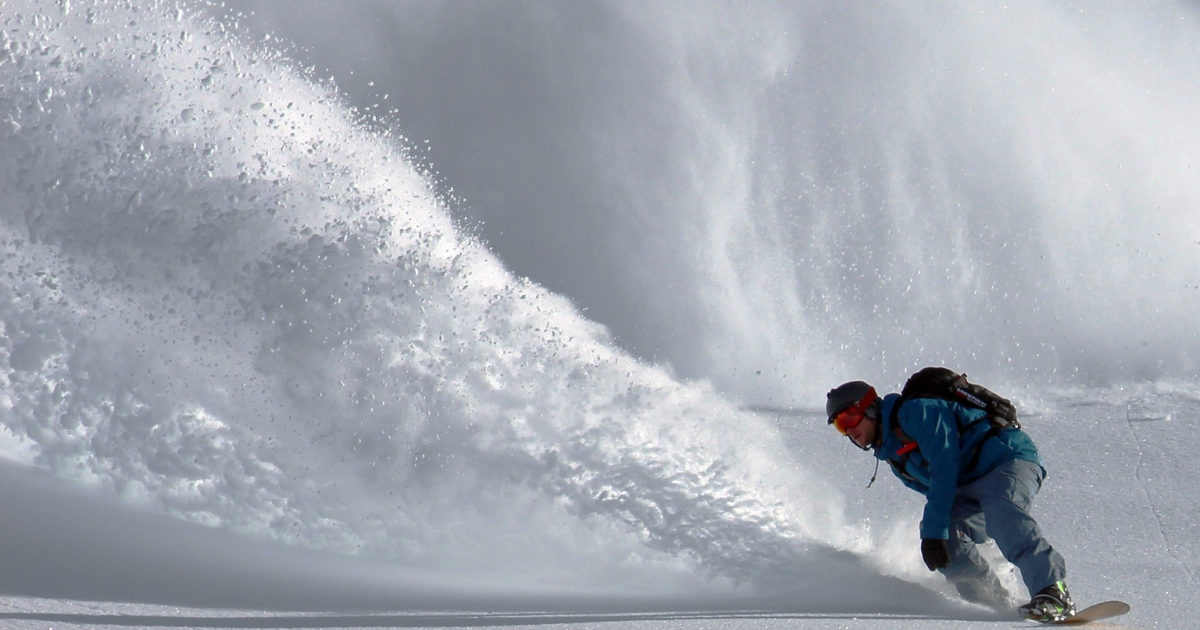
Downhill skiing and snowboarding are the crown jewels of snow sports, attracting millions of enthusiasts to ski resorts worldwide each winter. Both sports share steep learning curves but offer distinct experiences. Skiing provides stability and control, especially for beginners, while snowboarding offers a unique sense of freedom with its sideways stance. Resorts like Aspen in Colorado, Whistler in Canada, and Chamonix in France are legendary hotspots for these activities, boasting terrain for all skill levels—from gentle bunny slopes to expert-only chutes.
The rush of picking up speed, the crisp sound of skis or a snowboard slicing through fresh powder, and the breathtaking views from mountain peaks make these sports unforgettable. Many resorts also feature terrain parks with jumps, rails, and halfpipes for those looking to add a freestyle element to their runs. Before hitting the slopes, ensure you have the right equipment, including well-fitted boots, bindings tuned to your weight and skill level, and a helmet for safety.
Cross-Country Skiing: A Journey Through Winter Landscapes
For those who prefer a more leisurely pace, cross-country skiing offers a chance to immerse themselves in serene winter environments. Unlike downhill skiing, which relies on lifts and gravity, cross-country skiing involves propelling yourself across flat or gently rolling terrain using your own strength. This sport is ideal for exploring vast, open landscapes, whether through quiet forests, across frozen lakes, or along scenic trails in national parks. Popular destinations for cross-country skiing include Lapland in Finland, the Dolomites in Italy, and the vast trails of Vermont in the United States.
One of the greatest advantages of cross-country skiing is its accessibility. It requires minimal equipment—just skis, poles, boots, and bindings—and can be enjoyed by people of all ages and fitness levels. The sport also provides an excellent full-body workout, engaging the arms, legs, and core while offering a meditative escape into nature. Many cross-country centers groom trails specifically for different skill levels, ensuring a safe and enjoyable experience for everyone.
Snowshoeing: The Art of Slow Exploration
Snowshoeing is the perfect winter activity for those who want to experience the magic of snow without the intensity of skiing or snowboarding. By attaching lightweight, wide frames to your boots, snowshoes distribute your weight evenly, allowing you to walk on top of deep snow without sinking. This makes it possible to explore remote wilderness areas, frozen waterfalls, and secluded mountain valleys that are inaccessible during other seasons. Popular snowshoeing destinations include Banff National Park in Canada, the San Juan Mountains in Colorado, and the pristine trails of Hokkaido in Japan.
Snowshoeing is incredibly beginner-friendly and requires minimal gear beyond a good pair of insulated boots and trekking poles for stability. It’s also a great way to enjoy the quiet beauty of winter, with the only sounds being the crunch of snow underfoot and the occasional call of wildlife. Many national parks and resorts offer guided snowshoe tours, which are perfect for learning about local ecosystems and history while staying safe in the backcountry.
Tubing and Sledding: Fun for All Ages
If you’re looking for a lighter-hearted winter activity, tubing and sledding are fantastic options that bring out the inner child in everyone. Tubing involves riding an inflatable tube down a dedicated slope, often at dedicated tubing parks that provide conveyor belts to pull you back up the hill. It’s a hilarious and safe way to enjoy the snow, with minimal risk of injury compared to skiing or snowboarding. Similarly, sledding down gentle hills is a classic winter pastime that requires little more than a sturdy sled and a snowy hill.
These activities are perfect for families, groups of friends, or anyone looking for a fun way to spend a snowy afternoon. Many ski resorts include tubing lanes as part of their offerings, and local parks often have designated sledding areas. Remember to dress warmly, wear waterproof gloves, and always sled in designated areas to avoid hazards like trees or uneven terrain.
Ice Climbing: Conquering Frozen Giants
For the truly adventurous, ice climbing offers a unique blend of physical challenge and breathtaking scenery. This extreme sport involves ascending frozen waterfalls, ice-covered cliffs, or man-made ice walls using specialized tools like ice axes and crampons. Popular ice climbing destinations include Ouray in Colorado, the Canadian Rockies, and the frozen cliffs of Norway. Ice climbing requires a high level of skill, strength, and mental focus, making it a rewarding experience for those who dare to try.
Before attempting ice climbing, it’s essential to take a guided course to learn proper techniques and safety protocols. Equipment such as helmets, harnesses, ice axes, and crampons are non-negotiable for this sport. Ice climbing is not for the faint of heart, but the sense of accomplishment and the stunning views from the top make it an unforgettable experience. Always climb with a partner and check weather conditions and ice stability before heading out.
Essential Gear for Snow Sports Enthusiasts
No matter which snow sport you choose, having the right gear is crucial for safety, comfort, and performance. Here’s a breakdown of essential items to consider:
- Base Layers: Moisture-wicking thermal underwear to keep you dry and warm.
- Insulated Jackets and Pants: Waterproof and breathable outer layers to protect against snow and wind.
- Gloves or Mittens: Waterproof and insulated gloves to keep your hands warm and dry.
- Helmet: Essential for skiing, snowboarding, and ice climbing to protect your head from injuries.
- Goggles: Protect your eyes from snow, wind, and UV rays while enhancing visibility.
- Boots: Properly fitted boots are key for skiing, snowboarding, and snowshoeing. Rent or buy boots that match your skill level and activity.
- Socks: Wool or synthetic socks designed for snow sports to prevent blisters and keep your feet warm.
- Backpack: A small backpack to carry essentials like water, snacks, a first-aid kit, and extra layers.
Additionally, consider investing in high-quality goggles with UV protection, as snow reflects sunlight and can cause glare. For backcountry activities like snowshoeing or ice climbing, always carry a map, compass, and avalanche safety gear, including a beacon, probe, and shovel.
Safety Tips for Enjoying Snow Sports
While snow sports are exhilarating, they also come with inherent risks. Here are some essential safety tips to ensure a fun and accident-free experience:
- Know Your Limits: Choose slopes and trails that match your skill level. Pushing yourself too hard can lead to injuries.
- Check the Weather: Always check weather forecasts and avalanche reports before heading out, especially for backcountry activities.
- Wear a Helmet: Helmets are mandatory for skiing, snowboarding, and ice climbing to protect against head injuries.
- Stay Hydrated: Cold weather can mask dehydration, so drink plenty of water before, during, and after your activity.
- Take Breaks: Fatigue increases the risk of accidents. Take regular breaks to rest and refuel.
- Learn Basic First Aid: Knowing how to treat minor injuries or recognize signs of hypothermia and frostbite can be lifesaving.
- Avoid Alcohol: Alcohol impairs judgment and increases the risk of accidents. Save the celebratory drinks for après-ski.
- Buddy Up: Never go out alone, especially in remote or backcountry areas. Always have a partner or guide with you.
For those venturing into the backcountry, taking an avalanche safety course is highly recommended. Understanding how to read terrain, snow conditions, and weather patterns can mean the difference between a safe adventure and a life-threatening situation.
Choosing the Right Destination for Your Snow Adventure
The world is filled with incredible destinations for snow sports, each offering unique experiences. Here are some top picks for different types of winter getaways:
For Downhill Skiing and Snowboarding:
- Whistler Blackcomb, Canada: One of the largest ski resorts in North America, with over 8,000 acres of terrain and legendary powder.
- Chamonix, France: Known as the “Capital of Extreme Skiing,” this resort offers challenging off-piste routes and the famous Vallée Blanche.
- Niseko, Japan: Famous for its light, fluffy powder snow and vibrant après-ski scene.
For Cross-Country Skiing:
- Lapland, Finland: Experience the magical Arctic landscapes and the chance to ski under the Northern Lights.
- Telemark, Norway: The birthplace of cross-country skiing, with over 3,000 kilometers of groomed trails.
- Banff National Park, Canada: Stunning views of the Canadian Rockies combined with well-maintained cross-country trails.
For Snowshoeing:
- Banff National Park, Canada: Explore frozen lakes and wildlife-rich valleys on well-marked snowshoe trails.
- Rovaniemi, Finland: A winter wonderland with snowshoe tours that include husky sledding and visits to Santa Claus Village.
- Zermatt, Switzerland: Trek through the Alps with views of the Matterhorn as your backdrop.
For Ice Climbing:
- Ouray, Colorado, USA: Known as the “Ice Climbing Capital of the World,” with over 200 frozen waterfalls.
- Cogne, Italy: A stunning valley in the Italian Alps with numerous ice climbing routes for all levels.
- Svartisen Glacier, Norway: A unique ice climbing experience on one of Europe’s largest glaciers.
Eco-Friendly Practices for Sustainable Snow Sports
As snow sports gain popularity, it’s important to consider their environmental impact. Resorts and enthusiasts alike are adopting eco-friendly practices to preserve the pristine winter landscapes we love. Here are some ways to minimize your footprint while enjoying snow sports:
- Choose Green Resorts: Look for ski resorts and lodges that prioritize sustainability, such as using renewable energy, recycling programs, and water conservation.
- Carpool or Use Public Transport: Reduce your carbon footprint by sharing rides or using shuttle services to reach resorts.
- Rent or Buy Secondhand Gear: Extend the life of equipment by renting or purchasing used gear instead of buying new.
- Stay on Marked Trails: Avoid trampling on fragile ecosystems and prevent erosion by sticking to designated paths.
- Support Local Conservation Efforts: Participate in or donate to organizations that protect wildlife and habitats in winter regions.
- Minimize Waste: Bring reusable water bottles, containers, and utensils to reduce plastic waste on the slopes.
By adopting these practices, snow sports enthusiasts can help ensure that future generations can enjoy the same breathtaking snowy landscapes. Sustainable tourism not only benefits the environment but also enhances the overall experience by fostering a deeper connection with nature.
Getting Started: Tips for Beginners
If you’re new to snow sports, the learning curve can feel daunting, but with the right approach, you’ll be well on your way to enjoying winter adventures. Here are some tips to help beginners get started:
- Take a Lesson: Most resorts offer beginner packages that include lift tickets, rentals, and lessons. A professional instructor can teach you the basics and help you avoid bad habits.
- Start Small: Begin with gentle slopes to build confidence before progressing to steeper terrain. Tubing and sledding are great ways to ease into winter sports.
- Dress Appropriately: Layer your clothing to stay warm and dry. Avoid cotton, as it retains moisture and can make you feel colder.
- Stay Relaxed: Tension in your body can make it harder to control your movements. Focus on breathing and staying loose to improve your balance and technique.
- Practice Falling: Falls are inevitable, especially for beginners. Learn how to fall safely to avoid injury, such as rolling onto your side instead of putting your hands out.
- Invest in Quality Gear: Renting gear is a great way to try different styles before committing to a purchase. Ensure your boots fit snugly but comfortably.
- Join a Community: Connect with other beginners or enthusiasts through local clubs or online forums. Sharing experiences and tips can make the learning process more enjoyable.
Remember, everyone starts as a beginner, and progress comes with practice. Don’t be discouraged by early struggles—embrace the learning process and enjoy the journey. Snow sports are as much about the experience and camaraderie as they are about mastering the activity.
Final Thoughts: Embracing the Winter Wonderland
Snow sports offer a unique blend of adventure, physical activity, and connection with nature. Whether you’re carving down a mountain, gliding across a frozen lake, or climbing a frozen waterfall, each activity provides a different perspective on the beauty of winter. By choosing the right gear, prioritizing safety, and embracing sustainable practices, you can make the most of your snowy adventures while protecting the environments we love.
So, bundle up, gather your gear, and step into a world of chilling adventures. The snow is waiting, and the mountains are calling. Whether you’re a seasoned pro or a first-timer, the world of snow sports has something extraordinary to offer. Start planning your winter getaway today and discover the magic of snowy landscapes, crisp mountain air, and the thrill of winter sports.


More Stories
Thrills to Ignite Your Winter Sports Adventures
Ideas for Memorable Winter Sports Weekends
Habits That Create Winter Sports Champions