

Dive into Adventure: The Thrilling World of Aquatic Sports
Few experiences rival the rush of adrenaline and the sense of freedom that comes from aquatic sports. Whether you’re gliding across crystal-clear waters, diving into the deep blue, or riding the waves, water-based activities offer a unique blend of excitement, challenge, and connection with nature. From the serene solitude of solo kayaking to the high-energy thrill of whitewater rafting, aquatic sports cater to every level of adventure seeker. In this article, we’ll explore the diverse world of water sports, their benefits, essential gear, and tips to get started safely.
The Allure of Aquatic Sports: Why They Captivate Millions
Aquatic sports have surged in popularity not just for their physical demands but for the mental and emotional rewards they provide. The water acts as a natural stress reliever, allowing participants to disconnect from the hustle of daily life. Many water sports also foster a deep appreciation for marine environments, encouraging conservation and sustainable practices. Additionally, the camaraderie among enthusiasts—whether in competitive events or casual meetups—creates a sense of community that’s hard to find elsewhere.
Another key draw is the versatility of aquatic activities. Whether you prefer calm, reflective waters or the adrenaline-pumping challenge of turbulent seas, there’s a sport tailored to your preferences. Unlike many land-based activities, water sports often require minimal equipment to begin with, making them accessible to beginners. The adaptability of these sports also means they can be enjoyed year-round, from icy winter dives to summer surfing sessions.
Top Aquatic Sports to Ignite Your Passion
The world of aquatic sports is vast, spanning activities that range from serene to extreme. Below are some of the most popular and thrilling options for adventurers of all levels:
- Surfing: Riding the waves on a board is a timeless sport that combines balance, strength, and intuition. Popular destinations include Hawaii, Australia, and Portugal, with surf schools worldwide catering to beginners. The sport offers a unique connection to the ocean’s rhythm and endless opportunities for progression.
- Scuba Diving: Explore the underwater world with scuba diving, where you can encounter vibrant coral reefs, shipwrecks, and diverse marine life. Certification courses, like those offered by PADI or SSI, provide structured learning for safe diving. Whether in tropical destinations or cold-water locales, diving opens a portal to a hidden universe beneath the waves.
- Kayaking and Canoeing: Paddling through calm lakes, rushing rivers, or coastal waters, kayaking and canoeing offer a peaceful yet engaging way to explore nature. These sports improve upper-body strength, core stability, and endurance while allowing you to traverse remote landscapes inaccessible by land.
- Whitewater Rafting: For those seeking an adrenaline rush, whitewater rafting delivers heart-pounding action as teams navigate turbulent rapids. Suitable for groups, this sport requires teamwork, quick decision-making, and a willingness to embrace the unexpected. Popular rafting destinations include the Colorado River and the Zambezi River in Africa.
- Stand-Up Paddleboarding (SUP): Combining elements of surfing and kayaking, SUP involves standing on a large board and propelling yourself with a paddle. It’s a full-body workout that improves balance and core strength, and it can be practiced on lakes, rivers, or oceans. Many enthusiasts also use SUP for yoga or fishing.
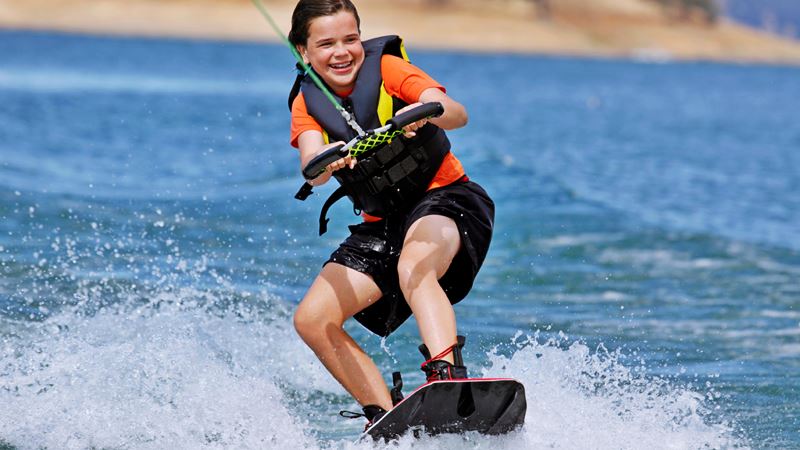
- Water Skiing and Wakeboarding: These high-speed sports involve being towed behind a boat while performing jumps, flips, and tricks. Water skiing requires balance and leg strength, while wakeboarding blends elements of snowboarding and skateboarding. Both are exhilarating and great for building coordination.
- Snorkeling: A more accessible alternative to scuba diving, snorkeling allows you to swim near the surface while observing marine life through a mask and snorkel. It’s perfect for families, beginners, or those who want a low-impact way to explore underwater ecosystems.
- Kitesurfing: Combining elements of wakeboarding, windsurfing, and paragliding, kitesurfing harnesses the power of the wind to propel you across the water while performing aerial maneuvers. It’s a sport that demands skill, strength, and an understanding of wind patterns.
- Free Diving: Unlike scuba diving, free diving involves descending into the water on a single breath, relying solely on your lung capacity and technique. It’s a meditative yet challenging sport that enhances breath control, mental focus, and physical endurance.
- Canyoning: This adventure sport involves descending waterfalls, rappelling down cliffs, and swimming through gorges. It’s a full-body workout that combines elements of hiking, climbing, and swimming, often set in stunning natural landscapes.
Health and Wellness Benefits of Aquatic Sports
Aquatic sports aren’t just about thrills—they offer a wealth of health benefits that contribute to both physical and mental well-being. Engaging in water-based activities provides a full-body workout that improves cardiovascular fitness, muscle strength, and flexibility. The resistance of water makes movements more challenging without the impact on joints, making it ideal for people of all ages and fitness levels.
Many water sports also enhance mental health by reducing stress and anxiety. The rhythmic nature of activities like rowing or paddleboarding can be meditative, promoting mindfulness and relaxation. Additionally, being outdoors and exposed to natural sunlight boosts vitamin D levels, which is crucial for mood regulation and immune function.
Team-based aquatic sports, such as rafting or water polo, foster social connections and improve communication skills. These activities teach trust, cooperation, and leadership—qualities that translate into everyday life. For those recovering from injuries or dealing with chronic pain, aquatic sports can be a gentle yet effective form of rehabilitation due to the buoyancy of water.
Essential Gear and Safety Tips for Aquatic Adventurers
While the joy of aquatic sports lies in their accessibility, proper preparation is key to ensuring a safe and enjoyable experience. The gear you need depends on the activity, but here are some universal essentials and safety tips to keep in mind:
Must-Have Gear
- Personal Flotation Device (PFD): A life jacket is non-negotiable for most water sports, especially for beginners or those venturing into deep waters. Ensure it’s properly fitted and approved by relevant safety organizations.
- Protective Footwear: Water shoes or reef booties protect your feet from sharp rocks, coral, or hot sand. They also provide better grip on slippery surfaces.
- Wetsuit or Rash Guard: Depending on the water temperature and activity, a wetsuit can keep you warm and protected. Rash guards are ideal for sun protection during surfing or snorkeling.
- Safety Equipment: Items like whistles, throw ropes, and first aid kits are essential for group activities like rafting or kayaking. A waterproof watch or GPS device can also be invaluable for navigation.
- Sun Protection: Hats, sunglasses, and reef-safe sunscreen are crucial for preventing sunburn and heatstroke, even on cloudy days.
Safety Tips for Beginners
- Take a Lesson: Before attempting any water sport, enroll in a beginner’s course with certified instructors. They’ll teach you the fundamentals of technique, safety protocols, and emergency procedures.
- Check Weather and Water Conditions: Always research local weather forecasts and water conditions before heading out. Sudden storms or strong currents can turn a fun outing into a dangerous situation.
- Stay Hydrated and Fuel Up: Even though you’re surrounded by water, dehydration is a real risk. Bring plenty of water and snacks, especially for longer excursions.
- Know Your Limits: Avoid pushing yourself too hard, especially in challenging environments. Fatigue can impair judgment and increase the risk of accidents.
- Buddy Up: Never venture into the water alone. Having a partner ensures someone is there to assist in case of emergencies.
- Learn Basic First Aid: Knowing how to handle minor injuries, jellyfish stings, or panic situations can make a significant difference in an emergency.
Eco-Friendly Practices in Aquatic Sports
As the popularity of aquatic sports grows, so does the responsibility of participants to protect the environments they enjoy. Sustainable practices ensure that these natural wonders remain pristine for future generations. Here’s how you can minimize your environmental impact while indulging in your passion for water sports:
Leave No Trace Principles
- Pack Out What You Pack In: Bring back all trash, including food wrappers, fishing line, and even biodegradable items like fruit peels, which can harm wildlife.
- Respect Marine Life: Avoid touching coral reefs, which are fragile ecosystems, and maintain a safe distance from marine animals. Use reef-safe sunscreen to prevent chemical pollution.
- Stay on Designated Paths: Whether kayaking, diving, or hiking to a canyon, stick to marked routes to avoid damaging sensitive habitats.
- Use Eco-Friendly Gear: Opt for gear made from sustainable materials, such as bamboo paddles or recycled plastic PFDs. Repair damaged equipment instead of replacing it.
Support Conservation Efforts
- Participate in Clean-Up Initiatives: Join local or global efforts to remove trash from beaches, rivers, and oceans. Organizations like the Ocean Conservancy and Surfrider Foundation offer opportunities to get involved.
- Choose Responsible Tour Operators: Support businesses that prioritize sustainability, such as those using electric boats, offering eco-tours, or donating proceeds to conservation projects.
- Educate Yourself and Others: Learn about local ecosystems and the threats they face. Share your knowledge with fellow adventurers to promote responsible behavior.
- Reduce Your Carbon Footprint: Opt for carpooling or public transport when traveling to aquatic sports destinations. Consider offsetting your travel emissions through reputable carbon offset programs.
Finding Your Aquatic Community
One of the most rewarding aspects of aquatic sports is the community that surrounds them. Whether you’re looking for training partners, competitive teams, or simply fellow enthusiasts to share stories with, there are countless ways to connect with like-minded individuals. Local clubs, online forums, and social media groups are great places to start. Many regions also host events like surf competitions, diving festivals, or clean-up days that welcome participants of all skill levels.
For those seeking structured learning, retreats and workshops offer immersive experiences in breathtaking locations. These programs often combine skill development with cultural exchange, allowing you to meet people from around the world. Additionally, volunteering with marine conservation projects can deepen your appreciation for the water while expanding your network.
Don’t underestimate the power of mentorship, either. Seasoned athletes or instructors can provide invaluable guidance, helping you progress faster and avoid common pitfalls. Whether you’re a beginner or an experienced adventurer, surrounding yourself with a supportive community will enhance your journey in the aquatic world.
Final Thoughts: Dive In and Discover Your Passion
The world of aquatic sports is a boundless ocean of possibilities, waiting to be explored. Whether you’re drawn to the tranquility of paddleboarding, the adrenaline of kitesurfing, or the mystery of deep-sea diving, there’s an activity that will resonate with your spirit. Beyond the thrills and challenges, aquatic sports offer a profound connection to nature, a boost to your health, and a chance to forge lifelong friendships.
So, take the plunge. Sign up for that beginner’s course, invest in the right gear, and embrace the adventure that awaits. The water is calling—will you answer?


More Stories
Techniques for Better Control in Water Sports
Routines That Accelerate Water Sports Progress
Splash into Adventure: The Ultimate Guide to Thrilling Water Sports Around the Globe