

The Ultimate Guide to Water Adventure Sports That Will Leave You Breathless
Water adventure sports are more than just activities—they are gateways to adrenaline-pumping experiences, breathtaking scenery, and unforgettable moments. Whether you’re a thrill-seeker, a nature lover, or someone looking to step out of your comfort zone, the world of water sports offers something for everyone. From heart-racing waves to serene underwater worlds, these sports combine excitement with a deep connection to nature. In this guide, we’ll explore some of the most exhilarating water adventure sports that will challenge your limits and leave you craving more.
Why Try Water Adventure Sports?
Engaging in water adventure sports isn’t just about the thrill—it’s also about personal growth, physical fitness, and mental well-being. These activities push you to overcome fears, build confidence, and develop resilience. They also provide a unique way to explore the natural world, from coral reefs to vast oceans and rushing rivers. Additionally, water sports often take place in stunning locations, allowing you to immerse yourself in breathtaking landscapes while enjoying an active lifestyle. If you’ve ever wanted to feel alive, water adventure sports might just be the perfect way to do it.
High-Octane Water Sports for the Daredevils
For those who live for speed, adrenaline, and a rush like no other, these high-octane water sports deliver heart-pounding action that’s hard to match. Whether you’re riding massive waves or defying gravity in mid-air, these activities are guaranteed to get your blood pumping.
1. Wakeboarding: The Ultimate Water Trampoline
Wakeboarding is like snowboarding on water, combining the thrill of surfing with the tricks of skateboarding. You’re towed behind a boat at speeds of 20-30 mph while performing jumps, flips, and spins off the wake—the waves created by the boat. It’s a sport that demands balance, strength, and quick reflexes, making it both challenging and rewarding. Beginners can start with basic riding, while advanced riders tackle aerial maneuvers like the “mobe” or “indy grab.” Popular wakeboarding destinations include cable parks, lakes, and coastal areas with consistent waves.
2. Kitesurfing: Harnessing the Wind’s Power
Kitesurfing, also known as kiteboarding, is a high-speed sport where you’re propelled across the water by a large kite while standing on a board. The wind’s power is harnessed to lift you into the air, allowing for gravity-defying jumps and smooth glides. This sport requires skill in controlling the kite, mastering board balance, and reading wind conditions. It’s an exhilarating experience that combines elements of wakeboarding, windsurfing, and paragliding. Popular kitesurfing spots include Tarifa in Spain, Maui in Hawaii, and the windy coasts of Brazil.
3. Whitewater Kayaking: Conquer the Rapids
Whitewater kayaking is for adventurers who crave the raw power of untamed rivers. You navigate through turbulent, fast-moving water using a specialized kayak, facing rapids, drops, and obstacles that test your skill and courage. The sport is divided into different classes based on difficulty, from gentle Class I rapids to extreme Class V, which demands expert-level precision and strength. Whitewater kayaking isn’t just about surviving the rapids—it’s about mastering them. Iconic destinations for this sport include the Colorado River in the Grand Canyon, the Futaleufú River in Chile, and the Zambezi River in Africa.
4. Canyoning: Descend Waterfalls and Slide Down Rivers
Canyoning, or canyoning, involves descending waterfalls, rappelling down cliffs, swimming through gorges, and sliding down natural water slides—all while immersed in stunning canyon landscapes. It’s a full-body workout that combines hiking, climbing, and swimming, making it one of the most diverse water adventure sports. Canyoning can range from easy, family-friendly routes to extreme descents that require technical skills and equipment. Popular canyoning destinations include the Verdon Gorge in France, Zion National Park in the U.S., and the Blue Mountains in Australia.
Serene Yet Challenging: Water Sports for a Peaceful Rush
Not all water adventure sports are about screaming down rapids or launching off waves. Some offer a more tranquil yet equally rewarding experience, where the focus is on connection with nature, mindfulness, and the joy of exploration. These activities prove that adventure doesn’t always have to be loud or extreme—sometimes, it’s about finding peace in the rhythm of the water.
1. Stand-Up Paddleboarding (SUP): Balance and Serenity
Stand-up paddleboarding (SUP) is one of the most accessible water sports, offering a full-body workout while allowing you to explore calm waters at your own pace. Standing on a large board, you use a paddle to glide across lakes, rivers, or even the ocean. SUP can be as relaxing as a sunset cruise or as challenging as a long-distance endurance paddle. It’s also incredibly versatile—try yoga on a paddleboard or join a SUP surfing session in the waves. Popular SUP destinations include Lake Tahoe in the U.S., the canals of Venice in Italy, and the calm waters of the Seychelles.
Benefits of SUP:
- Improves balance and core strength
- Low-impact and joint-friendly
- Great for meditation and mindfulness
- Can be enjoyed solo or in groups
2. Freediving: The Art of Underwater Exploration
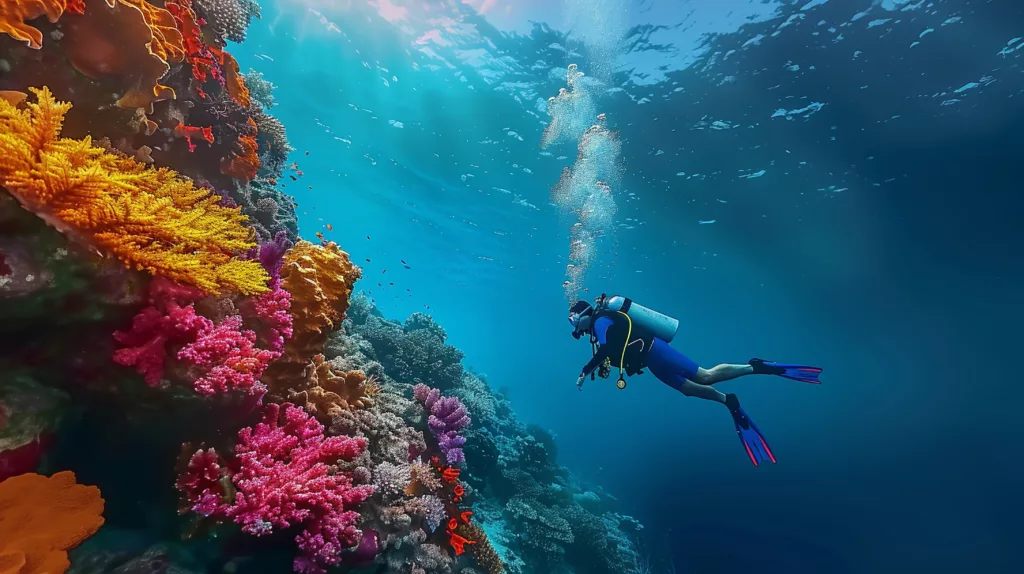
Freediving is the practice of diving underwater on a single breath, without the aid of scuba gear. It’s a sport that emphasizes mental focus, breath control, and deep relaxation. Freedivers explore coral reefs, underwater caves, and deep blue holes, often encountering marine life up close. The sport includes disciplines like static apnea (holding your breath while floating), dynamic apnea (swimming horizontally underwater), and depth diving. Locations such as the Blue Hole in Belize, the cenotes of Mexico, and the reefs of the Mediterranean are popular freediving spots.
Why try freediving?
- Deepens your connection with the ocean
- Improves lung capacity and breath control
- Offers a meditative, almost spiritual experience
- Allows for close encounters with marine life
3. Coasteering: Cliff Jumping and Coastal Exploration
Coasteering is an adventurous blend of swimming, climbing, and jumping along a rugged coastline. It involves traversing rocky shores, jumping off cliffs into the ocean, and swimming through sea caves—all while exploring the natural beauty of the coast. Unlike traditional hiking, coasteering keeps you in the water, making it a refreshing and dynamic way to experience the shoreline. Guided coasteering tours are available in many coastal destinations, including the Gower Peninsula in Wales, the Amalfi Coast in Italy, and the cliffs of Cornwall in England.
What to expect in coasteering:
- Cliff jumps of varying heights (usually 2-10 meters)
- Swimming through natural sea arches and caves
- Rock climbing and scrambling along the coast
- Opportunities to spot marine wildlife like seals and seabirds
Water Sports for the Whole Family and Beginners
Water adventure sports aren’t just for adrenaline junkies or seasoned athletes. Many activities are accessible to beginners and suitable for families, offering a fun way to bond while learning new skills. These sports provide a gentle introduction to the world of water adventures, ensuring that everyone—from kids to grandparents—can participate and enjoy.
1. Snorkeling: Discover the Underwater World
Snorkeling is one of the easiest ways to explore marine life without extensive training. All you need is a mask, snorkel, and fins to glide effortlessly on the water’s surface while observing colorful fish, coral reefs, and underwater landscapes. It’s a relaxing yet fascinating activity that can be enjoyed in oceans, lakes, and even some rivers. Popular snorkeling destinations include the Great Barrier Reef in Australia, the Maldives, and the cenotes of Mexico’s Yucatán Peninsula.
Tips for beginner snorkelers:
- Choose a calm, shallow spot to start
- Practice breathing through the snorkel on land first
- Use a floating device if you’re not a strong swimmer
- Respect marine life and avoid touching coral or animals
2. Bodyboarding: Ride the Waves with Ease
Bodyboarding is a beginner-friendly alternative to surfing, where you ride waves on a small, lightweight board while lying down or kneeling. It’s an accessible sport that requires minimal equipment and offers a fun way to experience the ocean’s waves. Bodyboarders can perform tricks like spins and rolls, or simply enjoy cruising along the shorebreak. Popular bodyboarding spots include Waikiki Beach in Hawaii, Biarritz in France, and the Gold Coast in Australia.
Why bodyboarding is great for beginners:
- Easier to learn than surfing
- Less gear required (just a board and fins)
- Works well in both small and large waves
- Can be enjoyed by people of all ages and fitness levels
3. Kayaking: Paddle Your Way Through Scenic Waters
Kayaking is a versatile water sport that can be as relaxed or as challenging as you want it to be. Whether you’re paddling through calm lakes, exploring coastal sea caves, or navigating gentle rivers, kayaking offers a peaceful yet active way to connect with nature. It’s also a great family activity, with tandem kayaks available for those who want to share the experience. Popular kayaking destinations include the Everglades in Florida, the fjords of Norway, and the lakes of New Zealand’s South Island.
Types of kayaking to try:
- Recreational kayaking: Ideal for beginners, with stable, easy-to-paddle boats for calm waters.
- Sea kayaking: Longer, more streamlined kayaks for exploring oceans and coastlines.
- Whitewater kayaking: For thrill-seekers who want to tackle rapids (requires more skill and equipment).
- Touring kayaking: Multi-day trips with camping gear for extended adventures.
Essential Tips for Beginners: How to Get Started Safely
Before diving headfirst into the world of water adventure sports, it’s important to prepare properly to ensure a safe and enjoyable experience. Whether you’re trying a new sport or visiting a new location, following these tips will help you get started on the right foot.
1. Choose the Right Sport for Your Skill Level
Not all water sports are created equal—some require more experience, strength, or technical knowledge than others. If you’re a beginner, start with beginner-friendly activities like snorkeling, kayaking, or bodyboarding. As you gain confidence and skills, you can gradually move on to more challenging sports like kitesurfing or whitewater kayaking. Research each sport’s difficulty level and consider taking lessons from a certified instructor to learn the basics properly.
2. Invest in Quality Gear and Safety Equipment
Having the right gear can make the difference between a fun day on the water and a potentially dangerous situation. Always invest in high-quality equipment suited for your chosen sport, including life jackets, helmets, wetsuits, and appropriate footwear. For example, if you’re freediving, a low-volume mask and a weight belt are essential, while a wetsuit is crucial for colder waters. Additionally, never skimp on safety gear—life jackets, flotation devices, and first aid kits should always be part of your setup.
Checklist for essential gear:
- Life jacket or personal flotation device (PFD)
- Helmet (for high-impact sports like whitewater kayaking or wakeboarding)
- Wetsuit or rash guard (depending on water temperature)
- Proper footwear (e.g., water shoes or booties)
- Leash for board sports (to keep your board close if you fall)
- Whistle or signaling device
- First aid kit and emergency blanket
3. Learn from Certified Instructors and Take Lessons
While some water sports like snorkeling or kayaking can be self-taught, others require proper training to ensure safety and skill development. Always seek out certified instructors or reputable schools for lessons, especially for high-risk sports like freediving, kitesurfing, or canyoning. Instructors can teach you essential techniques, safety protocols, and emergency procedures that you might not learn on your own. They can also provide insights into local conditions and best practices for the area you’re exploring.
4. Check Weather and Water Conditions
Before heading out, always check the weather forecast and water conditions for your chosen location. Wind speed, wave height, tides, and currents can greatly impact your experience and safety. For example, a day with strong offshore winds might be perfect for kitesurfing but dangerous for kayaking. Similarly, high tides can create powerful currents in narrow channels, while low tides might expose sharp rocks or coral. Apps like Windy, Surfline, or local marine weather services can provide real-time updates to help you plan your adventure.
5. Know Your Limits and Respect the Environment
It’s easy to get swept up in the excitement of water sports, but it’s important to know your physical and mental limits. Pushing yourself too hard can lead to exhaustion, injury, or even dangerous situations. Listen to your body and take breaks when needed. Additionally, always respect the environment—avoid disturbing marine life, don’t litter, and follow local regulations to protect fragile ecosystems. Sustainable practices, such as using reef-safe sunscreen and minimizing plastic waste, ensure that these beautiful locations remain pristine for future generations.
Top Destinations Around the World for Water Adventure Sports
If you’re looking to combine your love for water sports with travel, these destinations offer some of the best conditions for adventure, scenery, and unforgettable experiences. From tropical paradises to rugged wilderness, these locations are a dream for any water enthusiast.
1. Hawaii, USA: The Surfing Capital of the World
Hawaii is synonymous with surfing, but it’s also a hub for a wide range of water adventure sports. Oahu’s North Shore is famous for its massive winter waves, attracting surfers from around the globe. For freedivers, the crystal-clear waters of Molokini Crater offer incredible visibility and marine life. Meanwhile, Maui’s Molokini Channel is a hotspot for stand-up paddleboarding and snorkeling. Don’t miss the chance to try big wave surfing in Waimea Bay or bodyboarding in Waikiki’s gentle waves.
2. Queenstown, New Zealand: Adventure in Paradise
Known as the “Adventure Capital of the World,” Queenstown offers thrilling water sports set against a backdrop of snow-capped mountains and turquoise lakes. Try jet boating on the Shotover River, where speeds of 100 km/h create a heart-pounding experience. For a more serene but equally exciting adventure, whitewater rafting on the Kawarau River or canyoning in the nearby gorges is a must. Queenstown’s Lake Wakatipu is also perfect for kayaking, paddleboarding, and even winter ice climbing on frozen sections.
3. Costa Rica: A Paradise for Eco-Adventurers
Costa Rica is a haven for water sports enthusiasts who also love biodiversity. The Pacific coast offers world-class surfing in spots like Tamarindo and Santa Teresa, while the Caribbean side provides calm waters for snorkeling and kayaking in Cahuita National Park. For adrenaline junkies, whitewater rafting on the Pacuare River is a highlight, featuring Class III-IV rapids surrounded by lush rainforest. Additionally, the country’s numerous waterfalls make it a prime destination for coasteering and canyoning.
4. Norway: Fjords and Arctic Adventures
Norway’s dramatic landscapes—steep mountains, deep fjords, and icy waters—create a playground for unique water adventures. Kayaking through the Geirangerfjord or Nærøyfjord offers breathtaking views of waterfalls and cliffs. For a truly unique experience, try sea kayaking in the Lofoten Islands, where you can paddle among jagged peaks and spot orcas or whales. In winter, dog sledding and ice climbing are popular alternatives, while summer brings opportunities for coasteering and paddleboarding in the Arctic’s midnight sun.
5. The Maldives: A Tropical Water Sports Paradise
The Maldives isn’t just for luxury resorts and relaxation—it’s also a fantastic destination for water adventure sports. Snorkeling and scuba diving here are unparalleled, with vibrant coral reefs and encounters with manta rays, whale sharks, and sea turtles. For those who love kitesurfing, spots like Gulhi Faru and Baa Atoll offer consistent winds and flat, shallow waters perfect for beginners. Stand-up paddleboarding is another highlight, with calm lagoons providing a peaceful yet active way to explore the islands.
Final Thoughts: Dive In and Discover Your Next Adventure
Water adventure sports offer a unique blend of excitement, challenge, and connection with the natural world. Whether you’re drawn to the adrenaline rush of kitesurfing, the tranquility of freediving, or the family-friendly fun of kayaking, there’s a water sport out there waiting for you. These activities not only provide unforgettable experiences but also foster personal growth, resilience, and a deeper appreciation for our planet’s stunning aquatic landscapes.
So, what are you waiting for? Take the plunge, try something new, and let the water guide you to your next great adventure. Remember to start at your own pace, prioritize safety, and most importantly, have fun. The ocean, rivers, and lakes are calling—will you answer?

 "Training Routines to Boost Team Sports Skills")

More Stories
Splash into Adventure: The Ultimate Guide to Thrilling Water Sports Around the Globe
Drills to Elevate Your Water Sports Game
Thrill on the Tides: Riding Waves & Exploring Depths