

The Magic of Skiing: A World of Adventure and Wonder
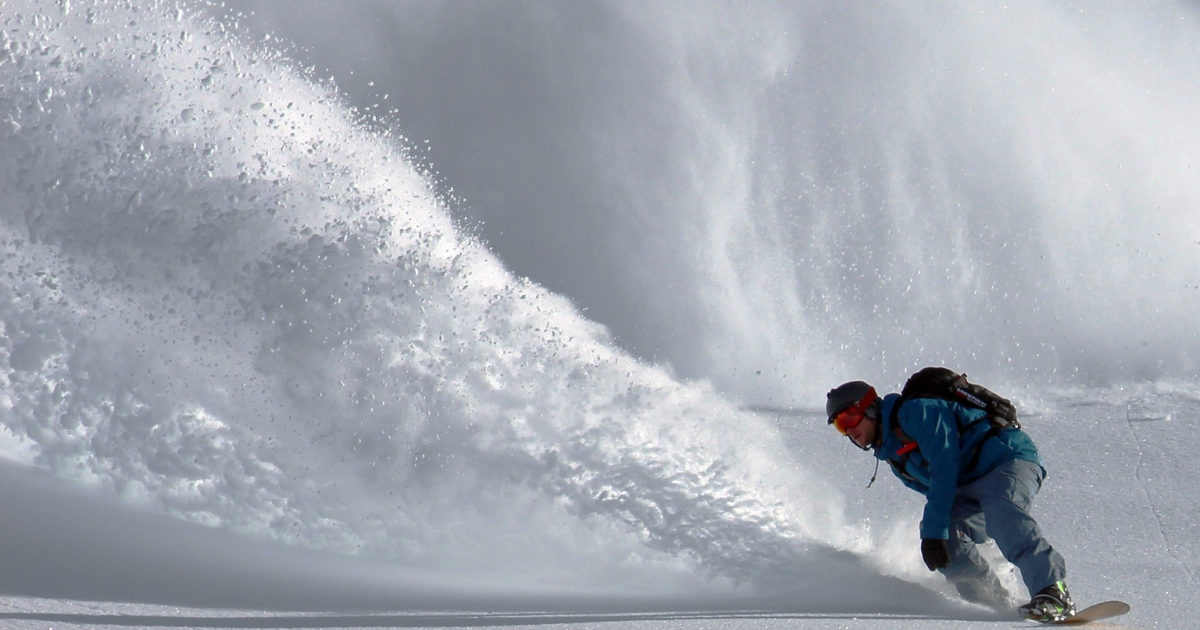
Few experiences in the world rival the exhilaration of gliding down snow-covered slopes, the crisp mountain air filling your lungs as the world blurs into a seamless white landscape. Skiing is more than a sport; it is a dance with gravity, a celebration of nature’s grandeur, and a journey that connects you to the raw power of the great outdoors. Whether you’re carving through freshly fallen powder, navigating challenging alpine terrain, or simply cruising along groomed runs, skiing offers something for everyone—from adrenaline junkies to those seeking peace and serenity.
The allure of skiing lies in its diversity. It can be a heart-pounding adventure, a meditative escape, or a social experience shared with loved ones. The mountains become your playground, and each descent tells a unique story. No two skiing adventures are alike, which is why enthusiasts return year after year, chasing the perfect blend of challenge, beauty, and camaraderie. In this article, we’ll explore the most unforgettable skiing destinations, essential tips for an epic trip, and the magic that makes skiing an enduring passion.
The Perfect Destinations for Unforgettable Skiing Adventures
Choosing the right destination can make or break your skiing experience. The world is brimming with legendary resorts and hidden gems, each offering its own flavor of adventure. Whether you prefer tree-lined runs, vast open bowls, or legendary off-piste challenges, there’s a slope waiting to leave you breathless. Here are some of the most iconic and breathtaking skiing destinations that promise to deliver unforgettable memories.
Europe: Where Tradition Meets Thrills
Europe is the heartland of skiing, home to some of the oldest and most revered resorts in the world. The continent’s diverse landscapes provide skiing opportunities for all levels, from gentle nursery slopes to extreme backcountry routes. The Alps, in particular, are a skier’s paradise, with world-class infrastructure, charming villages, and unparalleled snow conditions.
- Chamonix, France – Known as the “Capital of Alpinism,” Chamonix offers a mix of legendary descents like the Vallée Blanche and thrilling off-piste routes. The Aiguille du Midi lift provides jaw-dropping views of Mont Blanc, making it a must-visit for adventurers.
- St. Anton, Austria – A haven for intermediate and advanced skiers, St. Anton is famous for its lively après-ski scene and challenging terrain, including the infamous Valluga descent.
- Cervinia, Italy – Part of the Matterhorn Ski Paradise, Cervinia boasts long, sunny runs and reliable snow conditions, making it ideal for both skiing and relaxation.
North America: Epic Scenery and World-Class Resorts
North America’s skiing destinations are as vast and varied as the continent itself. From the powder-rich Rockies to the coastal charm of British Columbia, these resorts offer not just incredible skiing but also stunning natural beauty.
- Whistler Blackcomb, Canada – North America’s largest ski area, Whistler Blackcomb is a year-round playground with over 8,000 acres of terrain. The Peak 2 Peak Gondola connects two mountains, offering breathtaking views of the surrounding peaks.
- Jackson Hole, USA – A mecca for advanced skiers, Jackson Hole is known for its steep chutes, deep powder, and legendary runs like Corbet’s Couloir. The town’s rustic Western charm adds to its appeal.
- Aspen Snowmass, USA – A luxury resort with something for everyone, Aspen Snowmass features four mountains catering to different skill levels, along with a vibrant cultural scene in the town of Aspen.
Beyond the Alps and Rockies: Hidden Gems
For those seeking something different, the world offers lesser-known but equally spectacular skiing destinations. These hidden gems often provide uncrowded slopes, unique cultural experiences, and breathtaking scenery without the crowds of more famous resorts.
- Niseko, Japan – Famous for its legendary powder snow, Niseko attracts skiers from around the world. The resort’s four interconnected ski areas and vibrant village life make it a top choice for powder hounds.
- Val Thorens, France – Europe’s highest ski resort, Val Thorens offers long seasons, reliable snow, and a lively atmosphere. It’s part of the Three Valleys, the largest ski area in the world.
- Queenstown, New Zealand – Skiing in the Southern Hemisphere means summer adventures in June to October. Queenstown’s Remarkables ski area offers stunning views of Lake Wakatipu and a mix of groomed and off-piste terrain.
Essential Gear: Equipping Yourself for the Ultimate Ski Adventure
No skiing adventure is complete without the right gear. Whether you’re a beginner or a seasoned pro, having the proper equipment can enhance your performance, comfort, and safety on the mountain. Investing in quality gear not only improves your experience but also ensures you’re prepared for the challenges that come with different snow conditions and terrain.
Skis: Finding the Perfect Match
The type of ski you choose depends on your skill level, skiing style, and the conditions you’ll encounter. Modern skis are designed to excel in specific environments, so selecting the right pair is crucial.
- All-Mountain Skis – Versatile and suitable for groomed runs, powder, and variable conditions. Ideal for skiers who want one pair of skis for all occasions.
- Powder Skis – Wider and often rockered, these skis float effortlessly in deep snow, making them perfect for powder hounds and backcountry enthusiasts.
- Carving Skis – Narrower and designed for speed and precision on groomed runs. Great for skiers who love high-performance turns and groomed pistes.
- Touring Skis – Lightweight and equipped with bindings that allow for uphill travel. Designed for backcountry skiers who seek untouched snow and adventure beyond the resort.
Boots: The Foundation of Control and Comfort
Ski boots are arguably the most important piece of equipment, as they directly influence your control, comfort, and safety. Ill-fitting boots can turn a dream day on the mountain into a nightmare. When choosing boots, prioritize fit, warmth, and responsiveness.
- Flex Rating – Boots are rated on a flex scale (usually 60-140 for men and 50-130 for women). Higher numbers indicate stiffer boots, ideal for advanced skiers, while softer boots are better for beginners.
- Last Width – The last refers to the width of the boot at the forefoot. A narrower last (98-102mm) is common for performance skiing, while wider lasts (104mm and up) offer more comfort for those with wider feet.
- Custom Insoles – Many skiers benefit from custom insoles, which provide better arch support and reduce fatigue during long days on the mountain.
Clothing: Staying Warm, Dry, and Comfortable
Skiing exposes you to extreme weather conditions, from biting winds to sudden snowstorms. Layering is key to staying warm, dry, and comfortable throughout the day. Modern ski clothing is designed with advanced materials to wick moisture, retain heat, and protect against the elements.
- Base Layers – Moisture-wicking fabrics like merino wool or synthetic materials keep sweat away from your skin, preventing chills.
- Mid Layers – Insulating layers like fleece or down jackets provide warmth without adding bulk.
- Shell Layers – Waterproof and breathable jackets and pants (often made from Gore-Tex) protect against wind and snow while allowing moisture to escape.
- Accessories – Don’t forget gloves, goggles, a helmet, and neck gaiters. High-quality goggles with UV protection and anti-fog lenses are essential for visibility and eye safety.
Mastering the Mountain: Tips for an Epic Skiing Experience
Skiing is as much about technique and preparation as it is about adrenaline. Whether you’re a first-timer or a seasoned veteran, refining your skills and adopting smart strategies can elevate your experience from good to extraordinary. Here are some essential tips to help you make the most of your time on the slopes.
Preparing Physically and Mentally
Skiing is a physically demanding activity that engages your legs, core, and cardiovascular system. Preparing your body before hitting the slopes can reduce fatigue, prevent injuries, and enhance your enjoyment.
- Build Strength and Endurance – Focus on exercises that target your quads, hamstrings, glutes, and core. Squats, lunges, and planks are excellent for building the muscle groups used in skiing.
- Improve Flexibility – Yoga or dynamic stretching can help improve your range of motion, reducing the risk of strains and improving your overall performance.
- Stay Hydrated and Fuel Your Body – Dehydration can lead to fatigue and decreased performance. Drink plenty of water before, during, and after skiing, and pack high-energy snacks like nuts, granola bars, or fruit.
- Practice Balance and Agility – Drills that improve your balance, such as single-leg squats or wobble board exercises, can help you maintain control on uneven terrain.
On the Mountain: Technique and Safety
Once you’re on the slopes, technique and safety should be your top priorities. Proper form not only makes skiing more enjoyable but also reduces the risk of injury.
- Master the Basics – Start with the fundamentals: weight distribution, edging, and pressure control. A balanced stance with your knees slightly bent and your weight centered over your skis is key to maintaining control.
- Practice Turns – Learn to link turns smoothly by rotating your upper body and steering with your legs. Practice on gentle slopes before tackling steeper terrain.
- Control Your Speed – Use the “pizza” or snowplow technique to slow down on beginner slopes. As you progress, learn to carve turns to maintain speed while staying in control.
- Stay Aware of Your Surroundings – Always check trail maps, weather conditions, and closures. Stick to marked runs and avoid skiing alone in unfamiliar or hazardous terrain.
- Know Your Limits – Pushing yourself too hard can lead to injuries. If a run feels too challenging, take it slow or opt for a gentler slope. Confidence comes with experience.
After the Slopes: Recovery and Relaxation
Skiing can take a toll on your body, especially if you’re not used to the physical demands. Taking time to recover ensures you’re ready for another day of adventure.
- Stretch and Rehydrate – Gentle stretching can help relieve muscle soreness. Focus on your legs, hips, and back. Replenish electrolytes with sports drinks or coconut water.
- Soak in a Hot Tub or Warm Bath – Heat therapy can ease muscle tension and promote relaxation. Many ski resorts offer hot tubs or spa services for guests.
- Get Plenty of Rest – Skiing is exhausting, especially at high altitudes. Aim for 7-9 hours of sleep to allow your body to recover fully.
- Refuel with Nutrient-Rich Foods – Enjoy hearty meals with a balance of protein, healthy fats, and complex carbohydrates to support muscle repair.
Beyond the Slopes: The Cultural and Culinary Delights of Ski Towns
Skiing isn’t just about the thrill of the descent—it’s also about the vibrant communities and delicious cuisines that surround the world’s best resorts. From cozy alpine huts serving hearty stews to lively après-ski bars with live music, ski towns offer a rich tapestry of experiences that enhance your adventure.
Ski Towns: More Than Just a Place to Sleep
Many ski towns are nestled in breathtaking valleys, surrounded by towering peaks and pristine forests. These communities often have a rich history and a unique culture shaped by their alpine environments.
- Zermatt, Switzerland – A car-free village dominated by the iconic Matterhorn, Zermatt offers charming chalets, gourmet restaurants, and world-class skiing. Don’t miss the Gornergrat Railway for panoramic views.
- Banff, Canada – Located near three stunning national parks, Banff blends outdoor adventure with cultural experiences. The town’s historic buildings and indigenous heritage add depth to your visit.
- Kitzbühel, Austria – A medieval town with cobbled streets and a lively atmosphere, Kitzbühel is famous for its Hahnenkamm downhill race. Its après-ski scene is legendary.
Culinary Adventures: Fueling Your Skiing with Flavor
Skiing burns thousands of calories, and refueling with hearty, delicious meals is part of the experience. Many ski resorts and towns take pride in their culinary offerings, from rustic mountain huts to Michelin-starred restaurants.
- Swiss Fondue and Raclette – No trip to the Alps is complete without indulging in melted cheese accompanied by bread, potatoes, or cured meats. These dishes are staples in Swiss ski resorts like St. Moritz and Grindelwald.
- French Tartiflette – A decadent dish of potatoes, reblochon cheese, bacon, and onions, tartiflette is the ultimate comfort food in Savoie and Haute-Savoie.
- Austrian Wiener Schnitzel and Apfelstrudel – Crispy, breaded cutlets and warm apple strudel are culinary highlights in Austrian ski towns like Innsbruck and Salzburg.
- Italian Polenta and Polenta Concia – Creamy polenta, often served with mushrooms, cheese, or ragù, is a warming dish perfect for cold ski days in the Dolomites.
Après-Ski: The Social Side of Skiing
After a day on the slopes, the real fun begins. Après-ski is a cherished tradition that brings skiers and locals together to celebrate the day’s adventures. Whether you prefer a quiet fireside chat or a high-energy party, there’s an après-ski scene for every taste.
- Switzerland: Cabaret and Coziness – In Zermatt or Verbier, après-ski often involves live music, folk dancing, and fondue in a cozy chalet.
- Austria: Lively and Loud – Towns like Kitzbühel and St. Anton are known for their vibrant après-ski bars, where DJs, live bands, and dancing keep the energy high.
- USA: Casual and Fun – Resorts like Park City (Utah) and Aspen offer a mix of laid-back bars, breweries, and upscale lounges where skiers mingle and share stories.
Sustainable Skiing: Protecting the Mountains for Future Adventures
As skiing enthusiasts, we have a responsibility to protect the pristine environments that make our adventures possible. Climate change, overdevelopment, and pollution threaten the future of winter sports. By adopting sustainable practices, we can ensure that the mountains remain wild, beautiful, and accessible for generations to come.
The Impact of Skiing on the Environment
The ski industry, while a vital part of many local economies, can have significant environmental impacts. These include habitat destruction, water consumption, carbon emissions from transportation and resort operations, and waste generation. However, many resorts and organizations are taking steps to mitigate these effects.
- Habitat Disruption – Building ski runs and infrastructure can encroach on wildlife habitats, particularly for species like the lynx, ibex, and snow hare.
- Water Usage – Snowmaking consumes vast amounts of water, straining local resources, especially in drought-prone areas.
- Carbon Footprint – Traveling to ski resorts, especially by air or long-distance driving, contributes to greenhouse gas emissions. Resort operations, including lifts and lodging, also consume energy.
- Waste Management – Ski resorts generate significant waste, from single-use plastics in lodges to old equipment and food scraps.
How Skiers Can Make a Difference
Every skier can play a role in protecting the mountains. Small changes in behavior and choices can collectively make a big impact.
- Choose Eco-Friendly Resorts – Look for resorts that prioritize sustainability. Certifications like the Ski Area Citizens’ Coalition’s environmental ratings or the Green Globe Standard can help identify eco-conscious destinations.
- Minimize Your Carbon Footprint – Opt for train travel instead of flying when possible. If driving, carpool to reduce emissions. Consider staying in lodging with green certifications.
- Support Local and Sustainable Businesses – Eat at restaurants that source ingredients locally and sustainably. Purchase gear from companies that use recycled materials or have ethical manufacturing practices.
- Respect Wildlife and Trails – Stay on marked trails to avoid disturbing wildlife and fragile ecosystems. Keep a safe distance from animals and never feed them.
- Reduce Waste – Bring a reusable water bottle, use a thermos for coffee, and avoid single-use plastics. Properly dispose of ski wax and old gear to prevent pollution.
- Participate in Conservation Efforts – Join local cleanup initiatives, volunteer with environmental organizations, or donate to groups that protect mountain ecosystems.
Innovations in Sustainable Skiing
The ski industry is evolving, with many resorts and companies pioneering innovative solutions to reduce their environmental impact. These advancements are paving the way for a more sustainable future in winter sports.
- Renewable Energy – Many resorts now power their lifts and lodges with wind, solar, or hydroelectric energy. For example, Aspen Snowmass in Colorado runs entirely on renewable energy.
- Efficient Snowmaking – New snowmaking technologies use less water and energy, such as low-energy snow guns that recirculate water and air.
- Green Building Practices – Eco-friendly lodges and buildings constructed with sustainable materials and energy-efficient designs are becoming more common.
- Wildlife Corridors – Some resorts are working to create wildlife corridors that allow animals to move safely through ski areas, reducing habitat fragmentation.
- Circular Economy Initiatives – Programs that recycle old skis, boots, and clothing are gaining traction. Companies like Ski Cycle in Europe refurbish used equipment and donate it to those in need.
Inspiration for Your Next Skiing Adventure
Whether you’re a seasoned pro or a beginner taking your first turns, the world of skiing offers endless possibilities for adventure, connection, and awe. From the powdery slopes of Japan to the historic resorts of Europe, each destination has its own story to tell. The key is to embrace the journey, respect the mountains, and create memories that will last a lifetime.
As you plan your next skiing adventure, remember that the best experiences come from a blend of preparation, passion, and respect—for the sport, the environment, and the communities that make it all possible. So pack your gear, lace up those boots, and get ready to glide into the unforgettable.
Where will your next glorious glide take you?


More Stories
Thrills to Ignite Your Winter Sports Adventures
Ideas for Memorable Winter Sports Weekends
Habits That Create Winter Sports Champions