
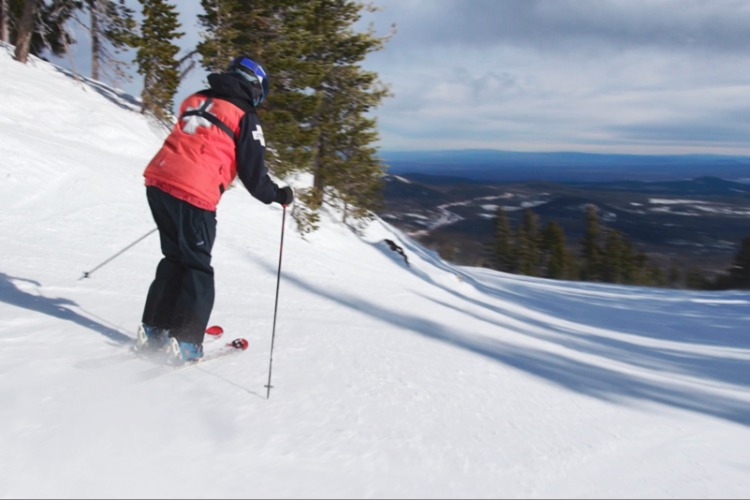
Winter sports mastery is built over time, yet small, strategic adjustments can accelerate improvement dramatically. Athletes at every level benefit from practical, efficient, and creative methods that sharpen their performance in cold weather environments. This is where skill upgrading hacks become invaluable, guiding enthusiasts toward smoother techniques, enhanced confidence, and more refined movements across snow covered terrain.
Strengthening Foundational Balance Before Advanced Techniques
Balance is the bedrock of winter sports proficiency. Without it, turns become erratic, landings unpredictable, and speed control inconsistent. Establishing a stable foundation begins with simple but powerful exercises. Standing on one leg with eyes closed improves proprioception. Using balance boards strengthens foot muscles and ankle stability. Even walking on uneven surfaces trains the neuromuscular system to respond more efficiently.
When athletes solidify these basics, advanced maneuvers become noticeably more fluid. Strong balance converts chaos into clarity during challenging runs.
Training With Short Burst Drills For Enhanced Reactivity
Winter sports often demand instant reactions. Sudden terrain changes, shifting snow textures, or rapid directional transitions require sharp reflexes. Short burst drills improve this responsiveness. Sprints followed by quick stops replicate the dynamic rhythm of downhill motion. Zigzag patterns refine edge control, challenging riders to adapt with precision.
These drills also boost cardiovascular resilience. Stronger lungs and a more responsive heart rate help maintain composure during intense descents.
Using Visualization To Prime The Mind For Technical Growth
Visualization is a time tested tool in athletic development. Mentally rehearsing a maneuver programs the brain to execute it more cleanly. Athletes imagine themselves carving smooth turns, absorbing impact with finesse, or navigating complex routes with confidence. This mental imagery rewires neural pathways, promoting controlled and intentional execution in real conditions.
Even short sessions before stepping onto the snow can produce noticeable improvements in skill consistency.
Improving Flexibility For Greater Range Of Motion
A supple body moves more harmoniously. Flexibility training expands an athlete’s range of motion, enabling deeper turns, smoother pivots, and more graceful adjustments. Dynamic stretches warm up the joints, while static stretches lengthen muscles after training.
Targeting the hips, hamstrings, quadriceps, and lower back opens pathways to greater mobility. When stiffness fades, movement feels more liberated and responsive.
Sharpening Terrain Awareness Through Deliberate Observation
Observing the terrain with intentionality creates smoother runs and smarter decisions. Athletes who examine snow density, contours, and gradient shifts before starting improve their tactical awareness. Even subtle visual cues can influence how turns should be initiated or how weight should be distributed.
This habit fosters confidence. The rider becomes attuned to environment signals, moving with anticipation rather than reaction.
Practicing Controlled Slow Runs For Technical Precision
Fast runs feel exhilarating, yet slow runs build skill. Moving at reduced speed reveals minor flaws that are often hidden at higher velocities. A slight leaning inconsistency becomes noticeable. Pressure imbalances show clearly. Edge engagement patterns emerge.
These slow, deliberate sessions refine technique at a granular level. Once corrected, these improvements naturally carry into faster, more dynamic runs.
Optimizing Equipment Fit And Tuning For Performance Gains
Even the most skilled athlete struggles with poorly tuned or ill fitting equipment. Waxing the base enhances glide. Sharpened edges improve grip and stability. Boots with proper fit eliminate unnatural compensations that disrupt alignment.
Small equipment tweaks often produce large performance benefits. A minor adjustment to binding angles can enhance turning control. A better fitting helmet increases comfort during long sessions. Equipment harmony supports athlete harmony.
Building Endurance Through Cross Training Activities
Endurance is essential for maintaining consistent performance throughout extended winter sessions. Cross training diversifies the workload placed on the body. Activities such as cycling, rowing, and swimming strengthen the cardiovascular system without overloading joints.
Strength training for legs, core, and back enhances stamina during downhill sequences. When endurance rises, fatigue decreases, making technique more reliable even after several hours on the slopes.
Using Micro Adjustments To Improve Technique Efficiency
Small technique adjustments often yield significant improvements. Slight shifts in weight distribution, softer ankle articulation, or gentler arm positioning can transform the entire feel of a run. Micro adjustments enhance efficiency and reduce unnecessary exertion.
These subtle refinements become second nature with repetition. As they embed into muscle memory, overall performance becomes smoother and more controlled.
Strengthening The Core To Stabilize Every Movement
A strong core anchors every twist, turn, and landing. Core stability enables athletes to withstand uneven terrain without losing composure. It minimizes upper body sway and fortifies posture.
Exercises such as planks, rotational lifts, and stability ball training build foundational strength. A fortified core enhances both power and precision on snow.
Combining Technique With Rhythm For Smoother Execution
Rhythm ties movements together. Athletes who find a natural cadence glide more effortlessly. Coordinating breathing with turns, syncing weight shifts with snow contact, and adopting a fluid tempo transforms performance quality.
Rhythm prevents rigid movements. It promotes flow, fosters relaxation, and enhances artistry across winter landscapes.
Engaging In Frequent, Short Practice Sessions
Lengthy sessions are valuable, yet short, frequent training blocks often accelerate improvement faster. Repetition builds confidence. Each short session reinforces technique without overwhelming the body.
Over time, these micro training intervals create significant cumulative gains. Consistency becomes the secret ingredient that supports elevated winter sports skills.



 "Training Routines to Boost Team Sports Skills")
More Stories
Thrills to Ignite Your Winter Sports Adventures
Ideas for Memorable Winter Sports Weekends
Habits That Create Winter Sports Champions