
How Aquatic Challenges Shape Power, Confidence, and Resilience
Water sports offer more than recreation. They cultivate resilience, sharpen coordination, and nurture inner and outer strength. From calm paddles at sunrise to adrenaline-fueled battles against breaking waves, every session in the water invites strength building experiences that transform both the body and the mind. What begins as a leisure activity often evolves into a powerful journey of endurance and personal growth.
Moments on the water activate muscle groups that remain dormant in everyday routines. Sudden shifts in current, wind, and tide force athletes to respond quickly, adapt with precision, and maintain unwavering focus. These dynamic conditions create an extraordinary training ground—one that builds fortitude through movement, exposure, and persistence.
Holding Balance on a Paddleboard
Stand-up paddleboarding teaches more than balance; it teaches the art of controlled stability. Maintaining an upright position on a moving surface demands micro-adjustments from the ankles, hips, and core. Every paddler experiences subtle muscle activation that enhances posture, flexibility, and proprioception.
The quiet nature of paddleboarding creates a beautiful contrast to its physical intensity. Smooth glides across tranquil lakes or bays encourage long, meditative strokes that help refine breathing patterns and endurance. Over time, these simple moments build surprising strength, especially in the core and shoulders.
Battling Currents While Kayaking
Kayaking introduces a blend of rhythm, resistance, and raw determination. Paddlers often find themselves navigating shifting currents or bracing against gusts of wind. Each stroke becomes a deliberate act of strength and strategy. The sport demands coordinated upper-body power, rotational stability, and mental persistence.
Challenging waters—whether tidal inlets or winding river corridors—test endurance in unexpected ways. Even calm waterways can become training grounds when paddlers increase their pace or extend their distance. The repetitive motion sculpts the back, arms, and core, amplifying strength with every mile traveled.
Swimming Through Varied Waters
Swimming in natural environments intensifies physical capacity more than pool sessions. Waves, temperature changes, and variable currents create an unpredictable setting that challenges the entire body. It requires stamina, technique, and controlled breathing.
Cold-water swimming adds another layer of training. The body must acclimate, regulate temperature, and maintain composure. These encounters build resilience, enhance cardiovascular health, and improve mental discipline. Open-water swimmers often describe feeling stronger and more grounded after every session.
Mastering Windsurfing Control
Windsurfing merges wind management with board handling, creating a sport that demands both finesse and power. Holding the sail, adjusting the angle, and carving across the water require strong legs, engaged core muscles, and responsive upper-body control.
Navigating gusts teaches athletes to harness external forces rather than fight them. The reward is a profound sense of mastery and physical empowerment. Each ride becomes a full-body workout disguised as pure exhilaration.
Riding Waves with Purpose
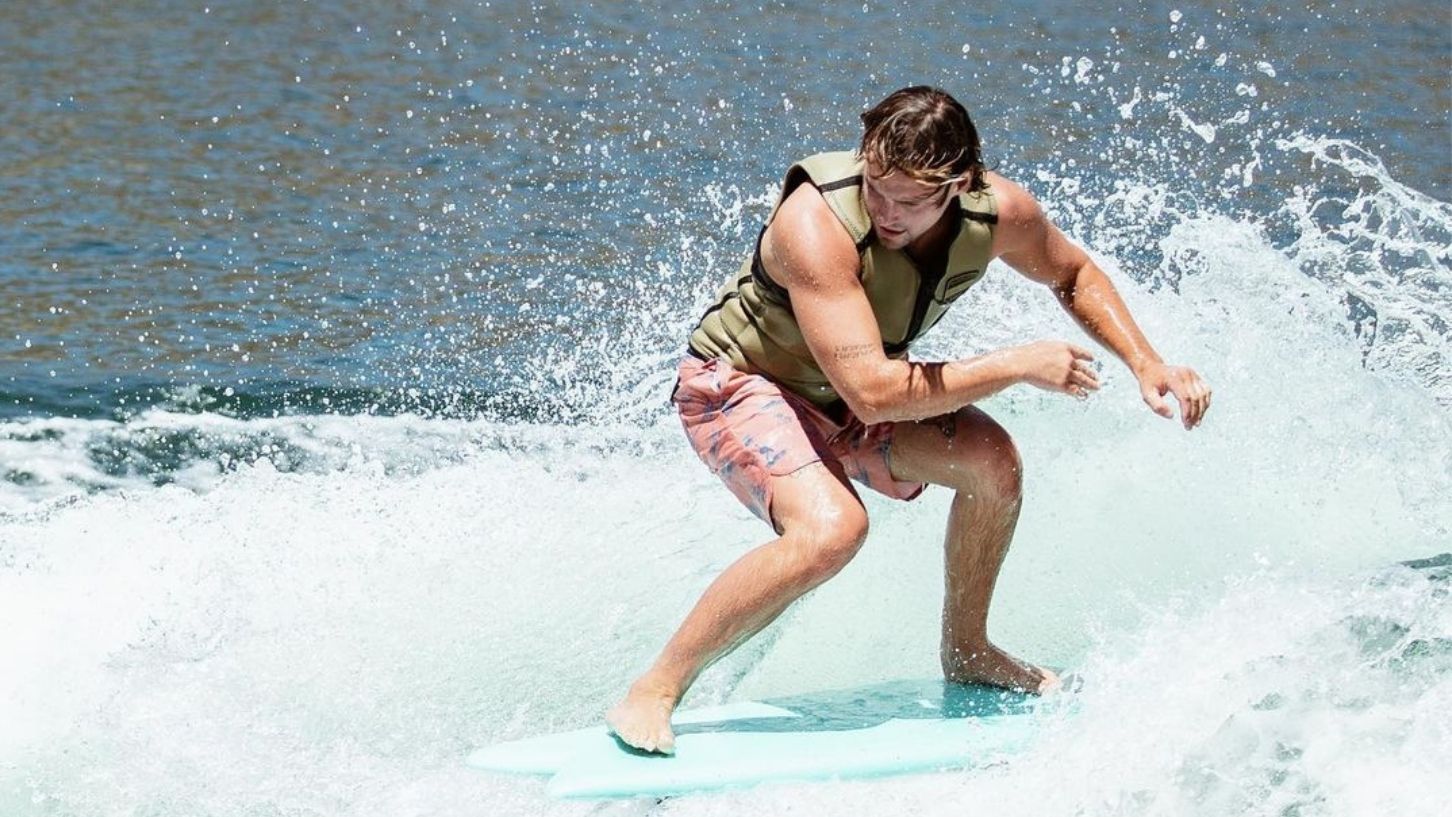
Surfing embodies the ultimate test of strength, agility, and timing. Paddling against incoming waves builds significant shoulder and back strength, while the explosive pop-up motion sharpens coordination. Once standing, surfers rely on leg power, balance, and micro-adjustments to maintain glide.
Every session presents a unique challenge. Waves never replicate themselves. This variability forces athletes to adapt quickly and trust their instincts. The mental fortitude gained from reading the ocean, staying patient, and repeatedly facing the unknown becomes one of the sport’s most transformative strength-building elements.
Rowing for Full-Body Power
Rowing across placid lakes or fast-moving rivers activates nearly every major muscle group. The synchronized push-pull movement develops stronger legs, sculpted arms, and a powerful core. It also enhances cardiovascular endurance.
The repetitive rhythm brings clarity and grounding. Many athletes find that rowing strengthens not only their bodies but also their emotional resilience. Long-distance rows in particular create a mental space where discipline, perseverance, and reflection intertwine.
Cold-Weather Water Challenges
Winter water sports push athletes into new realms of toughness. Ice swimming, cold-water paddling, and frosty mountain lake dips challenge the body’s ability to adapt. These sessions develop grit, improve metabolic efficiency, and build confidence in extreme environments.
Approaching cold water requires preparation and mental readiness. Yet once immersed, athletes often describe a sense of invigoration and enhanced awareness. The body emerges stronger, more capable, and more resilient.
Quiet Moments That Build Lasting Strength
Not all strength grows from intensity. Gentle moments—floating after a long swim, sitting on a board at sunset, or drifting along a calm river—allow the body to reset. These peaceful pauses help athletes integrate effort, recover deeply, and maintain long-term performance.
Water sports provide a rich landscape of strength building experiences, from the explosive to the serene. With every stroke, glide, dive, and ride, athletes shape stronger bodies and stronger spirits. Through these moments, the water becomes not only a playground but also a powerful teacher of endurance, power, and inner growth.

 "Training Routines to Boost Team Sports Skills")

More Stories
Splash into Adventure: The Ultimate Guide to Thrilling Water Sports Around the Globe
Drills to Elevate Your Water Sports Game
Thrill on the Tides: Riding Waves & Exploring Depths