

The Thrill Beyond Limits: Exploring the World of High-Risk Sports
High-risk sports, also known as extreme sports, offer an unparalleled rush of adrenaline that captivates adventurers worldwide. Unlike traditional sports, these activities push the boundaries of human capability, testing physical and mental limits in environments where danger is part of the fun. From soaring through the sky to diving into the depths of the ocean, high-risk sports provide an escape from the mundane, replacing it with excitement, challenge, and an ever-present sense of unpredictability. For thrill-seekers, these sports are not just hobbies—they are a way of life that redefines what it means to live boldly.
The Allure of the Unknown
The magnetic pull of high-risk sports lies in their ability to transport participants into the unknown. Whether it’s navigating treacherous terrain, defying gravity, or conquering towering heights, these activities offer a unique blend of fear and exhilaration. The human brain is wired to seek new experiences, and extreme sports deliver that in spades. The rush of endorphins and the sense of accomplishment that follows a successful feat create a natural high that is addictive in the best possible way. It’s not just about the physical challenge; it’s about proving to oneself that fear can be overcome.
Moreover, high-risk sports often take place in breathtaking locations—mountains, deserts, oceans, and skies—that most people only dream of visiting. The combination of natural beauty and physical exertion creates a sensory overload that is both humbling and empowering. For many, the real thrill isn’t just the danger; it’s the opportunity to witness the world from perspectives few ever experience.
Categories of High-Risk Sports
High-risk sports can be broadly categorized based on the environment and the type of challenge they present. Here are some of the most popular and adrenaline-pumping categories:
- Aerial Sports: Activities that involve jumping, flying, or gliding through the air. Examples include skydiving, base jumping, bungee jumping, and wingsuit flying. These sports require a deep understanding of aerodynamics and a willingness to trust equipment and technique.
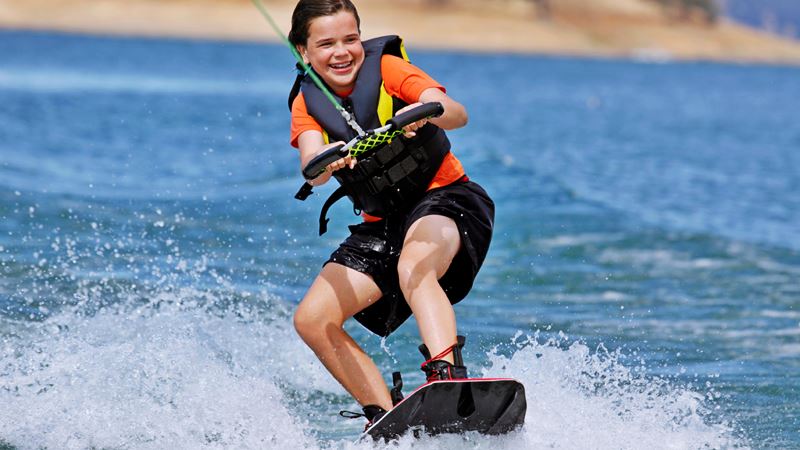
- Water Sports: Sports that take place in or on water, often involving high speeds, deep dives, or unpredictable conditions. Examples include big wave surfing, free diving, whitewater kayaking, and cave diving. Water’s resistance and power make these sports both exhilarating and dangerous.
- Mountain and Climbing Sports: Activities that involve ascending steep, often unstable terrain. Examples include rock climbing, ice climbing, mountaineering, and highlining. These sports demand exceptional strength, endurance, and problem-solving skills in unforgiving environments.
- Motorized Sports: High-speed activities that rely on machinery, often pushing the limits of both the rider and the vehicle. Examples include motocross, rally racing, downhill mountain biking, and jet skiing. The adrenaline rush comes from controlling powerful machines at breakneck speeds.
- Winter Sports: Activities that take advantage of snow and ice, often involving high speeds or steep descents. Examples include backcountry skiing, snowboarding, ice climbing, and heli-skiing. These sports require adaptability to rapidly changing conditions and a high tolerance for cold.
- Miscellaneous Extremes: A catch-all category for unique and unconventional sports that defy easy classification. Examples include parkour, urban free climbing, slacklining, and volcano boarding. These sports often involve creativity and a disregard for conventional safety norms.
The Psychology Behind the Thrill
What drives people to engage in high-risk sports? The answer lies in a complex interplay of psychology, biology, and personal motivation. At its core, the thrill of extreme sports is tied to the body’s natural response to stress and danger. When faced with a life-threatening situation, the brain releases adrenaline and dopamine, creating a euphoric high. Over time, participants in these sports may become addicted to this chemical rush, seeking it out repeatedly.
Psychologists suggest that extreme sports enthusiasts often share certain personality traits: a high tolerance for risk, a need for stimulation, and a desire to master fear. These individuals may feel stifled by routine and crave the intense focus that extreme sports demand. The mental challenge of overcoming fear and the subsequent sense of achievement can be just as rewarding as the physical act itself.
Additionally, many high-risk sports require a deep level of concentration and mindfulness. The “flow state,” a mental state of complete immersion and focus, is often achieved during these activities. This state not only enhances performance but also provides a temporary escape from everyday stressors, offering a form of meditation in motion.
The Appeal of High-Risk Sports
For those who indulge in high-risk sports, the appeal goes far beyond the adrenaline rush. These activities foster a sense of community among participants, creating bonds that are often stronger than those found in more traditional sports. The shared experiences of overcoming fear, pushing limits, and surviving harrowing situations forge deep connections. Many extreme sports communities operate on a code of trust and mutual respect, where safety and camaraderie are paramount.
Furthermore, high-risk sports encourage self-discovery and personal growth. Confronting danger and overcoming it can boost confidence and resilience in ways that few other experiences can. Participants often develop a heightened awareness of their surroundings, improved problem-solving skills, and a greater appreciation for life’s fragility. The lessons learned in extreme sports frequently translate into other areas of life, fostering a “live to the fullest” mindset.
There’s also an artistic element to many high-risk sports. The fluid movements of a wingsuit flyer, the precision of a rock climber on a sheer cliff, or the grace of a surfer riding a massive wave can be seen as forms of moving art. The combination of athleticism, creativity, and risk creates a spectacle that is both awe-inspiring and humbling.
The Role of Technology and Innovation
Advancements in technology have revolutionized high-risk sports, making them safer and more accessible while also opening up new frontiers. Innovations in equipment—such as lighter and stronger materials, improved harnesses, and advanced GPS systems—have reduced some of the inherent risks. For example, modern climbing gear is far more reliable than its predecessors, and parachutes used in skydiving are now equipped with automatic activation devices to prevent fatal errors.
Technology has also expanded the possibilities within these sports. Drones capture breathtaking footage of wingsuit flyers and base jumpers, allowing them to review their performances and share their experiences with a global audience. Virtual reality (VR) and augmented reality (AR) are being used to simulate extreme conditions, helping athletes train and prepare for real-world challenges. Social media platforms have given rise to a new generation of extreme sports influencers, who inspire others to take up these activities and document their adventures in real time.
However, technology is a double-edged sword. While it enhances safety and accessibility, it can also create a false sense of security. Some athletes may become overconfident in their abilities or underestimate the risks, leading to dangerous situations. The key is to use technology as a tool for improvement rather than a crutch to rely on.
Safety and Responsibility in High-Risk Sports
Despite the allure of high-risk sports, safety should always be the top priority. The line between thrill and tragedy is often thin, and negligence or poor judgment can have fatal consequences. Responsible participation in extreme sports requires a combination of proper training, experience, and respect for the environment. Here’s how enthusiasts can mitigate risks while still enjoying the adrenaline rush:
- Education and Training: Before attempting any high-risk sport, it’s essential to undergo proper training from certified instructors. Learning the fundamentals, understanding the equipment, and practicing in controlled environments can significantly reduce the risk of accidents.
- Gear and Equipment: Investing in high-quality, well-maintained gear is non-negotiable. Equipment should be inspected regularly, and any signs of wear or damage should be addressed immediately. Wearing appropriate protective gear, such as helmets, harnesses, and life jackets, can mean the difference between a close call and a catastrophe.
- Know Your Limits: Pushing personal boundaries is part of the appeal of extreme sports, but there’s a fine line between challenging yourself and taking reckless risks. It’s crucial to recognize when to dial back the intensity and avoid situations that exceed one’s skill level.
- Weather and Environmental Conditions: Many high-risk sports are heavily influenced by weather and terrain. Ignoring warnings or attempting an activity in unsafe conditions can lead to disaster. Always check forecasts, local advisories, and environmental factors before heading out.
- Buddy System: Never attempt a high-risk sport alone. Having a partner or a group provides an extra layer of safety, as they can offer assistance in case of an emergency or serve as a second set of eyes to spot potential hazards.
- Respect the Sport: Extreme sports demand a deep respect for the activity and the environment. This means following established rules, avoiding shortcuts, and not cutting corners in pursuit of a thrill. Arrogance and overconfidence are common precursors to accidents.
It’s also important to acknowledge that high-risk sports are not for everyone. Individuals with certain medical conditions, such as heart problems or epilepsy, may be at increased risk. Pregnant women and those with limited physical fitness should approach these sports with caution or avoid them altogether. Consulting with a healthcare professional before engaging in any extreme activity is always a wise decision.
Mental Preparation and Risk Management
Physical preparedness is only half the battle; mental preparation is equally critical. Fear is a natural response to danger, but learning to manage it is key to success in high-risk sports. Techniques such as visualization, controlled breathing, and positive self-talk can help athletes stay calm under pressure. Mental resilience training, often borrowed from military and survival programs, can teach individuals how to react effectively in high-stress situations.
Risk management is another vital aspect. Before attempting any extreme sport, it’s essential to conduct a thorough risk assessment. This involves identifying potential hazards, evaluating the likelihood of accidents, and planning contingencies. For example, a rock climber should know the best escape routes, a skydiver should check their parachute’s integrity, and a surfer should scout the wave conditions. Having a clear plan and the flexibility to adapt when things go wrong can prevent minor issues from escalating into tragedies.
The Future of High-Risk Sports
The world of high-risk sports is constantly evolving, driven by technological advancements, cultural shifts, and the relentless pursuit of bigger, bolder challenges. As equipment becomes lighter and stronger, and as new disciplines emerge, the boundaries of what’s possible continue to expand. Here are some trends and innovations shaping the future of extreme sports:
Emerging Disciplines
New sports are continually being invented, often blending elements from existing ones or pushing into uncharted territories. Some of the most exciting emerging disciplines include:
- Freestyle Motocross: A variation of motocross that emphasizes acrobatics and stunts, such as backflips and tailwhips, performed mid-air. Riders are judged on creativity, style, and execution.
- Slacklining: Walking or balancing on a flat, stretchy webbing suspended between two points, often high above the ground. This sport combines elements of tightrope walking with the dynamic movement of rock climbing.
- Ice Cross Downhill: A winter sport where athletes race down a steep, icy course filled with banked turns and jumps. Competitors wear ice skates and navigate the course at high speeds, often in close proximity to each other.
- Deep Freediving: Pushing the limits of breath-hold diving to explore the underwater world without scuba gear. Advances in training techniques and breath control have allowed freedivers to descend to depths previously thought impossible.
- Volcano Boarding: Riding a board down the slopes of an active volcano. This sport combines elements of sandboarding and sledding, with the added thrill of navigating unpredictable terrain.
The Impact of Social Media and Digital Platforms
Social media has transformed the way extreme sports are experienced and shared. Platforms like Instagram, YouTube, and TikTok have given athletes a global stage to showcase their skills, inspire others, and build communities. Viral videos of jaw-dropping stunts or breathtaking landscapes attract millions of viewers, fueling interest in these sports and encouraging new participants to take up the challenge.
However, the rise of social media has also brought challenges. The pressure to create sensational content can lead athletes to take unnecessary risks or stage dangerous stunts purely for likes and views. There’s a fine line between sharing an adventure and glorifying recklessness. Responsible content creation involves emphasizing safety, education, and authenticity over mere spectacle.
Additionally, digital platforms have democratized access to extreme sports. Online tutorials, virtual coaching, and digital simulations make it easier for beginners to learn the basics and progress at their own pace. Virtual reality, in particular, is being used to create immersive training environments where athletes can practice techniques and experience the thrill of extreme sports without immediate real-world risks.
Sustainability and Environmental Responsibility
As awareness of environmental issues grows, the extreme sports community is increasingly focusing on sustainability. Many high-risk sports take place in fragile ecosystems, and the impact of participants—whether through littering, disturbing wildlife, or eroding natural landmarks—can be significant. Organizations and athletes are now advocating for responsible practices, such as leaving no trace, supporting conservation efforts, and minimizing carbon footprints.
For example, surfers are partnering with environmental groups to protect ocean ecosystems, while climbers are advocating for the preservation of climbing areas and the removal of bolted anchors that mar natural rock faces. The concept of “adventure stewardship” is gaining traction, encouraging participants to give back to the environments that provide them with unforgettable experiences.
Innovations in eco-friendly gear are also making waves. Companies are developing biodegradable materials, solar-powered equipment, and sustainable manufacturing processes to reduce the environmental impact of extreme sports. These efforts not only benefit the planet but also appeal to a growing segment of environmentally conscious thrill-seekers.
Conclusion: Embracing the Thrill, Respecting the Risk
High-risk sports are a celebration of human courage, ingenuity, and the relentless pursuit of adventure. They offer a way to break free from the monotony of everyday life, to test one’s limits, and to experience the world in ways that few dare. The thrill of defying gravity, conquering nature, or simply pushing past fear is an indescribable rush that keeps enthusiasts coming back for more. Yet, with this thrill comes responsibility. The same environments that provide exhilaration can also be unforgiving, and the line between triumph and tragedy is often razor-thin.
For those drawn to the world of high-risk sports, the key is to strike a balance between passion and prudence. Embrace the thrill, but never at the expense of safety or respect for the sport. Seek out knowledge, train diligently, and surround yourself with a community that values both adventure and responsibility. Whether you’re a seasoned extreme athlete or an aspiring newcomer, the journey is as much about personal growth as it is about the rush of adrenaline.
Ultimately, high-risk sports are more than just a pastime—they are a testament to the human spirit’s unyielding desire to explore, conquer, and thrive. By approaching these activities with humility, preparation, and a deep respect for the forces at play, we can continue to push the boundaries of what’s possible while ensuring that the thrill remains both exhilarating and, above all, alive.


More Stories
Hidden Gems for Unique Extreme Sports Journeys
Secrets Pro Athletes Use in Extreme Sports
Destinations Perfect for Extreme Sports Lovers