
Practical Guidance for Confident and Controlled Adventures
Approaching water sports with intention creates a rewarding experience marked by confidence, precision, and safety smart guidance. Every aquatic environment—whether ocean, river, or lake—presents its own risks, rhythms, and opportunities. Thrill-seekers who prepare thoroughly can enjoy the exhilaration of movement while minimizing hazards. From novices to seasoned athletes, understanding how to merge safety protocols with strategic planning elevates both performance and security.
A truly effective approach blends preparation, physical awareness, environmental knowledge, and calm decision-making. Short bursts of excitement should never overshadow the importance of caution. Smart routines, well-maintained gear, and situational awareness are the cornerstones of safer sessions, especially when conditions shift unexpectedly.
Know the Environment Before Entering the Water
Every location behaves differently. Waves, currents, water temperature, and underwater terrain can shift rapidly. Observing the environment is an indispensable step before diving into any sport. Spend time watching wave patterns, checking wind direction, and scanning for submerged rocks or reefs. These observations enhance timing, reduce accidents, and improve strategic maneuvering.
Weather forecasts also demand attention. A seemingly calm morning can turn into a hazardous afternoon if conditions deteriorate. Understanding local tide charts or river flow updates ensures you enter the water when conditions are predictable and manageable.
Choose and Maintain High-Quality Gear
Well-functioning gear is a critical protective layer between you and unpredictable water elements. Boards, ropes, fins, buoyancy aids, and helmets should be inspected thoroughly before each session. Minor damage can escalate into major issues in the middle of a high-intensity activity.
Fit matters just as much as function. A life vest that rides up, goggles that cloud instantly, or footwear that slips can sabotage performance and increase risk. Properly fitted equipment maintains stability, improves technique, and minimizes unnecessary strain. Regular cleaning and drying help extend the gear’s lifespan and reduce wear caused by salt, sand, or chlorine.
Understand Personal Physical Limits
Enthusiasm must align with capability. Water sports require strength, coordination, and endurance. Fatigue reduces reaction time and weakens balance, making injuries more likely. Listening to physical cues—such as muscle strain, dizziness, or excessive exertion—helps prevent mishaps.
Warm-ups are nonnegotiable. Dynamic stretches, mobility drills, and light cardiovascular movement enhance circulation and prepare the body for sudden, intense actions. Cooling down afterward reduces stiffness and supports recovery, ensuring the body remains functional for the next session.
Practice Skills that Enhance Control
Technical precision forms the backbone of safe and effective water sports performance. Small practiced movements—such as controlled breathing, balanced stances, and proper paddle strokes—build confidence and consistency.
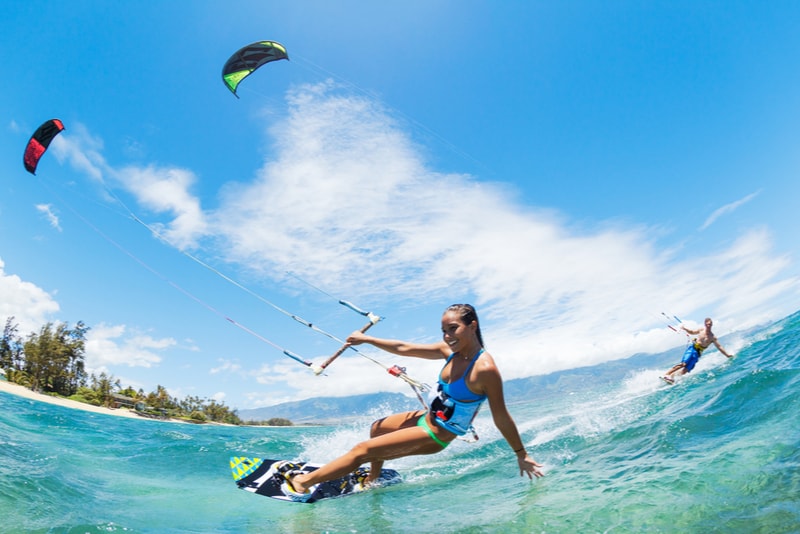
For high-speed activities like surfing, wakeboarding, or kiteboarding, rehearsing movements on land strengthens muscle memory. Practicing pop-ups, stance adjustments, or grip techniques improves fluidity once in the water. Even experienced athletes benefit from revisiting foundational skills to stay sharp.
Prioritize Communication and Visibility
Never underestimate the importance of clear communication, especially in open water. Sharing your planned route, activity type, and estimated duration with someone on land creates an extra layer of protection.
Bright clothing and reflective gear increase visibility, particularly during dawn or dusk sessions. In group settings, using simple hand signals helps coordinate movement and maintain safety. When participating in activities that require close proximity—such as synchronized paddling or diving—communication prevents collisions and enhances teamwork.
Monitor Health and Hydration
Dehydration and heat exhaustion sneak up quickly in aquatic environments. Sun exposure combined with physical exertion drains energy levels faster than expected. Drinking water regularly, even when not thirsty, sustains endurance and maintains clear cognitive function.
Nutrition matters too. Light, energy-rich meals or snacks provide stable fuel without causing discomfort during movement. Avoid heavy meals right before sessions, as they can interfere with breathing and balance.
Respond Calmly to Emergencies
Emergencies require clarity, not panic. Remaining composed enables quicker decision-making and reduces the likelihood of escalating danger. Learning basic rescue techniques, CPR, and first-aid protocols equips you with knowledge that can save lives—your own or others’.
Knowing how to float calmly, detach from equipment quickly, or navigate back to shore during unexpected currents is valuable. Preparation transforms fear into confidence and panic into controlled response.
Respect Marine Life and Natural Surroundings
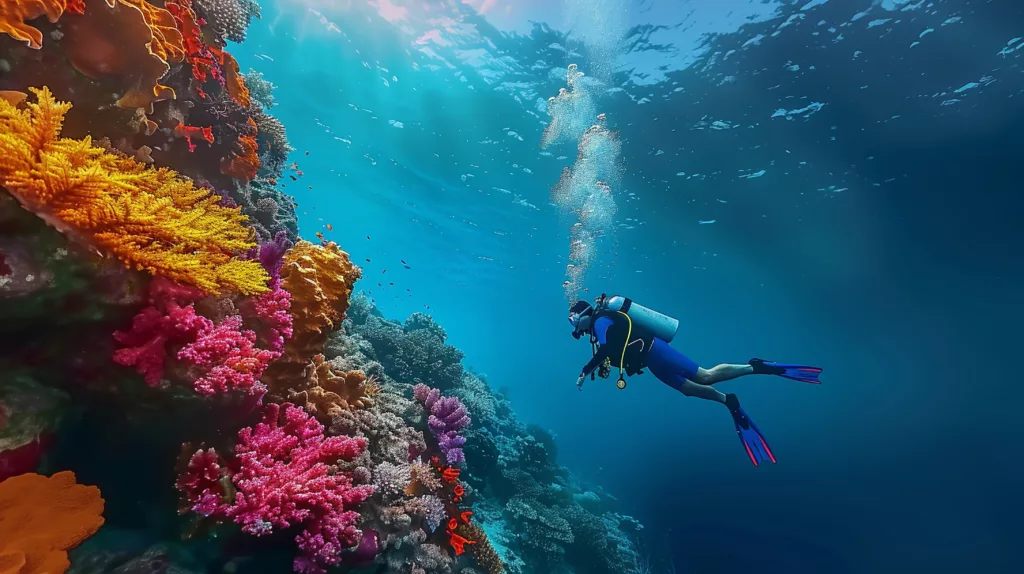
Aquatic ecosystems are delicate and deserve responsible interaction. Avoid disturbing coral, marine flora, and wildlife. Maintaining a respectful distance safeguards both you and the environment.
Littering or leaving gear behind disrupts ecosystems and jeopardizes future enjoyment of these spaces. Responsible behavior ensures that these sites remain pristine and accessible for generations of water sports enthusiasts.
Merge Awareness with Enjoyment
Safer water sports sessions stem from preparation, intention, and mindfulness. By merging excitement with discipline, athletes at every level can elevate their experience. Clear planning, physical readiness, and unwavering respect for nature ensure that each session remains thrilling yet controlled.
With consistent attention to safety smart guidance, every athlete can enjoy water sports with confidence, longevity, and a deeper sense of connection to the water.


 "Training Routines to Boost Team Sports Skills")
More Stories
Splash into Adventure: The Ultimate Guide to Thrilling Water Sports Around the Globe
Drills to Elevate Your Water Sports Game
Thrill on the Tides: Riding Waves & Exploring Depths