
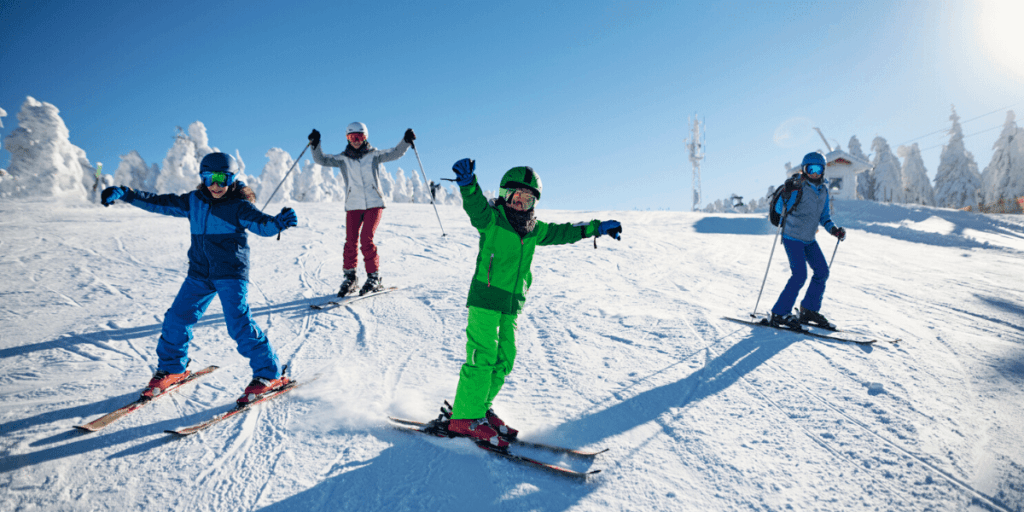
Winter sports offer lively excitement and unforgettable seasonal adventures. Yet maintaining safety requires awareness, preparation, and thoughtful practice. Many enthusiasts rely on safety minded tips to ensure each outing remains enjoyable from start to finish. With the right habits, the coldest months can feel like an exhilarating playground rather than a risk filled challenge.
Prioritize Proper Warm Ups
A thorough warm up routine is essential before setting foot on snow or ice. Muscles need time to adjust from indoor temperatures to outdoor chill. Light jogging, dynamic stretching, and controlled mobility drills elevate circulation. These movements help loosen stiff joints that could otherwise hinder performance.
Short warm ups work, but extended routines often provide more reliable readiness. Athletes should also warm up gradually rather than leaping immediately into high intensity activity. This moderation protects ligaments and reduces the likelihood of strains.
Select the Right Clothing Layers
Layering serves as a crucial safeguard in winter terrain. An effective system includes a moisture wicking base layer, an insulating middle layer, and a weather resistant outer shell. Each contributes to maintaining comfort, managing perspiration, and shielding against wind.
Loose or bulky garments may restrict movement, while overly tight clothing may hinder blood flow. Choosing materials that maintain flexibility ensures freedom of motion. Accessories like gloves, neck gaiters, and thermal socks further stabilize body temperature during prolonged exposure.
Use Protective Gear Consistently
Protective gear is indispensable across winter activities. Helmets, wrist guards, padded shorts, and impact reducing goggles provide essential defense. Even skilled athletes benefit from consistent gear usage, as unpredictable falls can occur without warning.
Goggles should fit securely to prevent slipping during rapid movement. Helmets require proper adjustment to maintain full protective capability. These small details reinforce overall security.
Stay Aware of Weather Shifts
Weather in winter environments can transform quickly. A clear morning may evolve into a windy, low visibility afternoon. Monitoring updated forecasts helps participants anticipate potential hazards before venturing outdoors.
If unexpected conditions arise, it is wise to pause activity and reassess. Sudden temperature drops or snowfall can alter slope consistency. Remaining attentive to the environment preserves both safety and enjoyment.
Learn Terrain Gradually
Every slope has its own personality. Some are smooth and inviting, while others present steep angles or unpredictable texture. Beginners benefit from exploring easy terrain before testing their limits on more challenging routes.
Markers and signage exist for a reason. Observing these guides prevents misjudgments and confusion. Athletes who familiarize themselves with terrain features stay more confident and secure throughout their activity.
Maintain Equipment Condition
Equipment that is well maintained offers enhanced safety. Skis, snowboards, and skates require periodic inspection. Checking for cracks, dull edges, or loose bindings prevents equipment related accidents.
Professionals can assist with tuning and repairs. Regular waxing improves glide, while proper sharpening ensures responsive control. Reliable gear elevates performance and reduces the chance of mishaps.
Stay Hydrated and Nourished
Hydration is often overlooked in cold environments. Because sweat evaporates quickly in frigid air, athletes may not notice how much fluid they lose. Water replenishment remains essential for sustaining endurance and cognitive function.
Nutritious snacks help maintain energy. Foods rich in complex carbohydrates and proteins offer stable fuel during extended outdoor sessions. These small nutritional habits significantly influence overall stamina.
Respect Personal Limits
Confidence is valuable, but caution is wise. Knowing when to rest or slow down plays an important role in safety. Overexertion can lead to impaired judgment and increased risk of injury.
Short breaks help restore alertness. Athletes who listen to their bodies maintain better control and enjoy longer periods of activity without discomfort or fatigue.
Practice Safe Landing Techniques
Learning how to fall safely reduces the severity of impact. Keeping limbs relaxed and rolling instead of bracing can lessen stress on joints. Many winter sports schools incorporate falling techniques into instruction because they are so effective.
Practicing these methods in controlled areas builds reflexive responses. They become instinctual when unexpected tumbles occur on real slopes.
Keep Communication Open
Winter outings are always safer when communication is clear. Groups should agree on checkpoints, rest intervals, and emergency plans before starting their adventure. Staying within visual or audible range of companions adds an extra layer of protection.
Carrying a charged phone or a radio device can assist when traveling into remote or expansive areas. Being prepared for unforeseen circumstances enhances confidence and situational security.
Stay Mindful of Surroundings
Awareness plays a powerful role in winter sports safety. Observing the motion of others, identifying icy patches, and recognizing slope density prevents collisions. Crowded areas require extra vigilance and responsible maneuvering.
Quiet trails demand attention as well. Natural obstacles like branches, rocks, or uneven snow may appear suddenly. Sharp observation ensures smoother movement and a safer overall experience.

 "Training Routines to Boost Team Sports Skills")

More Stories
Thrills to Ignite Your Winter Sports Adventures
Ideas for Memorable Winter Sports Weekends
Habits That Create Winter Sports Champions